
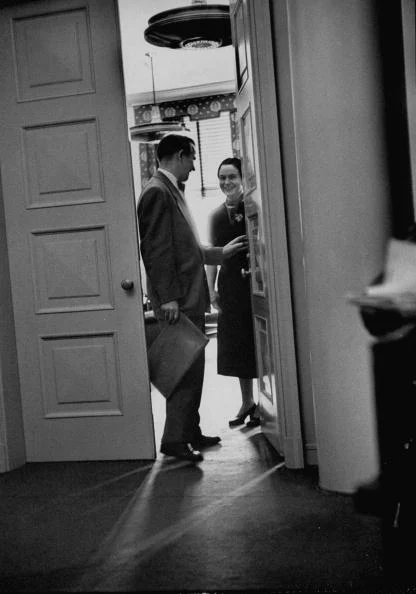
The human brain is biologically predisposed to prioritize specific segments of an experience over others, a phenomenon long studied by cognitive psychologists and behavioral scientists. While the "first impression" has historically dominated the discourse on social and professional etiquette, recent research suggests that the "last impression" carries a disproportionate weight in how individuals are perceived and remembered over the long term. This cognitive bias, known as the recency effect, dictates that the final moments of an encounter serve as the anchor for the overall memory of that event, often superseding the nuances of the interaction’s middle phase.
The Cognitive Framework of Memory: Primacy and Recency
To understand the importance of the last impression, one must look at the Serial Position Effect, a term coined by German psychologist Hermann Ebbinghaus. This theory posits that when a person is exposed to a series of information or events, they are most likely to remember the first items (the primacy effect) and the last items (the recency effect). The middle portion of the sequence is frequently lost to a "haze" of cognitive processing, where the brain, having already established an initial framework and anticipating a conclusion, reduces its focus.
The primacy effect occurs because the brain is highly alert at the start of a novel experience, quickly making judgments to categorize new people and environments. However, the recency effect is arguably more powerful regarding emotional resonance. Because the end of an experience is the most "fresh" in the short-term memory, it acts as the concluding data point that colors the entirety of the preceding interaction. This is why a single negative interaction at the end of a long, productive meeting can overshadow an hour of successful negotiation.
The Peak-End Rule: How the Brain Evaluates Experience
The significance of endings is further supported by the "Peak-End Rule," a psychological heuristic described by Nobel laureate Daniel Kahneman. According to this rule, people judge an experience largely based on how they felt at its peak (the most intense point) and at its end, rather than the total sum or average of every moment of the experience.
Daniel Pink, a prominent author on behavioral science and timing, emphasizes that human beings have a psychological preference for "rising sequences"—experiences that improve over time rather than those that start strong and taper off. In his analysis of consumer behavior, Pink notes that online reviews, such as those found on Yelp, frequently focus on the "final touchpoint" of a service. A diner may have enjoyed a world-class meal, but if the final interaction—the delivery of the check or the attitude of the staff during departure—is negative, the subsequent review is likely to be scathing. Conversely, a small positive gesture at the end, such as a complimentary treat or a warm farewell, can "elevate" the entire memory of the event.
Chronology of a High-Stakes Interaction: From Threshold to Departure
In professional settings, such as job interviews or high-level corporate negotiations, the interaction follows a predictable timeline where the closing moments represent a critical "red zone" for reputation management.
- The Initial Engagement: The first impression is established within seconds of meeting.
- The Information Exchange: The "middle" of the meeting where data, skills, and ideas are discussed. This is often where cognitive fatigue begins for both parties.
- The Closing Sequence: The final five to ten minutes where the "last impression" is solidified.
- The Post-Interaction Phase: The period following the meeting where the memory of the encounter is consolidated and a follow-up is initiated.
Failure to manage the closing sequence can lead to a "declining sequence" perception, where the participant appears to lose energy, confidence, or interest as the meeting concludes.
Strategic Protocols for a "Dynamite" Last Impression
Experts in professional etiquette and behavioral psychology suggest several tactical maneuvers to ensure the final moments of an interaction are as impactful as the first. These protocols are designed to project warmth, competence, and reliability.
The Left-Hand Carry Rule
A common pitfall in professional departures is the "fumble." When an individual prepares to leave a room, they often gather their belongings—briefcases, notebooks, or coats. If these items are held in the right hand, it creates a physical barrier when the other party reaches out for a concluding handshake. By consciously gathering belongings in the left hand, a professional remains ready for a seamless, confident physical connection, avoiding the awkwardness of switching hands or dropping items.
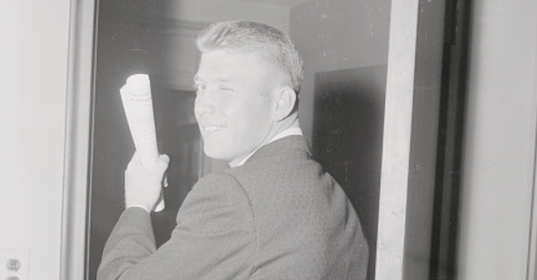
The Neurobiology of the Final Handshake
Physical contact is a powerful tool for bonding, as it triggers the release of oxytocin, a hormone associated with trust and rapport. In both social and professional contexts, a concluding handshake or a polite hug (where appropriate) serves as a physical punctuation mark to the conversation.
To maximize the impact of a final handshake, professionals are advised to ensure "web-to-web" contact—where the space between the thumb and forefinger meets the other person’s—and to maintain palm-to-palm contact. This signals transparency and sincerity. Discreetly ensuring hands are dry before standing to leave is a minor but essential detail in maintaining a polished image.
Visual Alignment and the "Heart-to-Heart" Stance
Body language experts suggest that the direction of the torso during a goodbye is as important as the words spoken. A "heart-to-heart" stance—facing the person directly rather than angling toward the exit—projects openness and respect. This, combined with sustained eye contact and a genuine smile, leaves the impression of someone who is fully present and values the interaction.
The "Double Thank You" Protocol
The "Double Thank You" is a verbal strategy used to bookend the departure. The first thank you occurs as the individual rises from their seat, focusing on the opportunity or the specific content of the meeting (e.g., "Thank you for the opportunity to discuss the project"). The second thank you occurs at the door, serving as a final, warm sign-off (e.g., "Thank you again for your time; I look forward to hearing from you"). This repetition reinforces the individual’s gratitude and politeness.
The Danger of the "False Ending"
One of the most detrimental errors in a last impression is the "false ending," where an individual makes a graceful exit only to return moments later because they forgot a phone, keys, or a notebook. This second, unplanned appearance creates an impression of disorganization or "sheepishness" that can supplant the previous, more professional departure. Diligence in checking one’s surroundings before the final goodbye is paramount.
The Broader Impact: Long-Term Memory and Professional Advancement
The implications of mastering the last impression extend beyond immediate social grace. In the competitive landscape of modern employment, the "recency effect" can influence hiring committees and performance reviews.
Data on Hiring and Rapport
Studies in the Journal of Applied Psychology indicate that "rapport building" and non-verbal cues during the closing stages of an interview significantly correlate with higher ratings from recruiters. When two candidates possess similar technical qualifications, the one who finishes with high energy and a polished departure is more likely to be perceived as a better cultural fit.
The Follow-Up as an Extension of the Ending
The last impression does not technically end when the door closes. In the digital age, the follow-up text or thank-you note serves as a "tail" to the interaction. Whether it is a formal letter following a board meeting or a casual text after a dinner party, this gesture solidifies the memory. It moves the interaction from a "declining sequence" to an "elevated" one, showing that the individual’s interest persists even after the physical encounter has ended.
Conclusion: Ending on an Elevated Note
While much of social science has focused on the "thin-slicing" of first impressions, the "last impression" is the final opportunity to correct, enhance, or solidify a person’s reputation. Even if the middle of an interaction was fraught with tension or mediocrity, a strong, intentional finish can "save" the encounter in the participant’s memory.
Human beings are wired to seek closure and to value the way a story ends. By being conscious and intentional about the final moments of any interaction—moving with intent, maintaining eye contact, and offering a sincere thank you—individuals can ensure they are remembered not for the "muddling middle," but for the warmth and professionalism of their departure. In the architecture of human memory, the ending is not just a conclusion; it is the lasting legacy of the encounter.

0 Comments