

The military field jacket stands as one of the most enduring legacies of 20th-century tactical engineering, having successfully transitioned from the rigors of combat to a foundational element of the contemporary civilian wardrobe. Originally conceived to address the specific physiological and logistical needs of soldiers in diverse climates, the garment has evolved through several iterations—most notably the M-1943 and the M-65—to become a symbol of both rugged utility and countercultural rebellion. Today, the field jacket is recognized by fashion historians and industry analysts as a "hero piece" in menswear, valued for its silhouette, storage capacity, and historical resonance.
The Genesis of Combat Utility: From Wool to Windbreakers
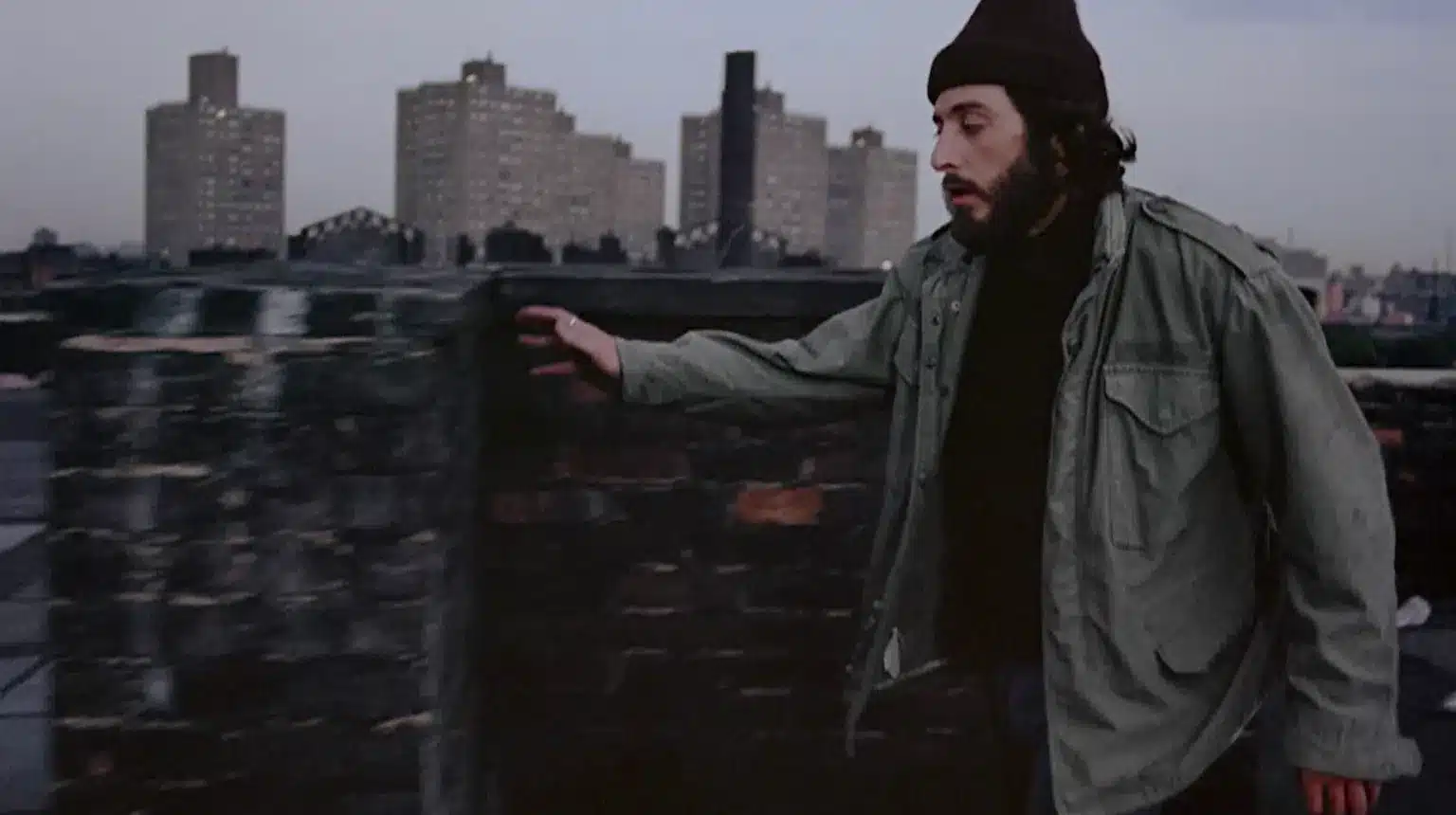
The development of the modern field jacket was born out of a series of logistical failures during the early stages of World War II. In 1939, the United States military issued the M-1939 Service Coat, a heavy, thigh-length wool garment that proved woefully inadequate for the high-exertion demands of modern mechanized warfare. Military records from the period indicate that the M-1939 was prone to retaining moisture; as soldiers perspired during movement, the wool absorbed sweat, which would subsequently cool during periods of rest, increasing the risk of hypothermia in temperate and cold environments.
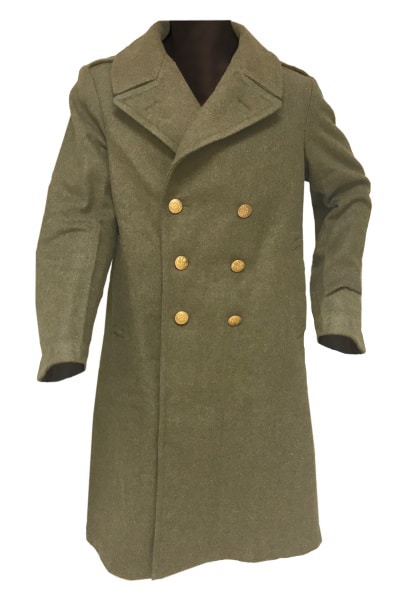
By 1941, the U.S. Army sought a more versatile alternative, resulting in the M-1941 Field Jacket, colloquially known as the "Parsons Jacket" after Major General James K. Parsons. Modeled after civilian windbreakers, the M-1941 utilized a lightweight cotton poplin shell with a wool flannel lining. While this represented a significant improvement in mobility and weight reduction, it faced immediate criticism from the field. The light olive drab (OD 3) shade was found to be too conspicuous in European foliage, and the thin fabric offered insufficient protection against sustained wind and rain. Furthermore, the short, waist-length cut lacked the pocket volume required for modern infantrymen to carry essential gear.
The 1943 Revolution: Establishing the Four-Pocket Standard
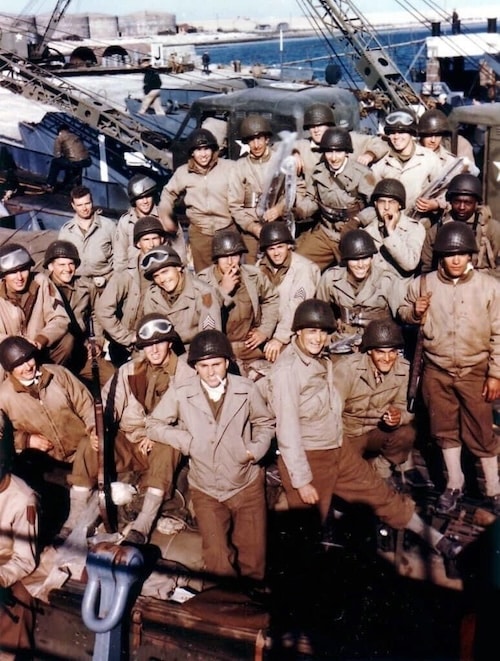
The turning point in field jacket design occurred in 1943 with the introduction of the M-1943. This model represented a fundamental shift in military clothing philosophy, moving toward a "layering system" that allowed soldiers to adapt to fluctuating temperatures. The M-1943 featured a longer, hip-length cut and was constructed from a darker, more durable olive drab (OD 7) cotton sateen.
Crucially, the M-1943 introduced the iconic four-pocket layout: two large bellows pockets at the hips for heavy items and two pleated pockets at the chest for smaller essentials. This design maximized storage without compromising the wearer’s center of gravity. The jacket was designed to be worn over an insulating mid-layer, such as the M-1944 "Ike Jacket," a concept that remains the standard for outdoor and tactical apparel today. Military historians note that the M-1943 was so successful that its DNA can be found in nearly every subsequent military jacket produced globally over the next four decades.
The M-65: Engineering the Definitive Field Jacket
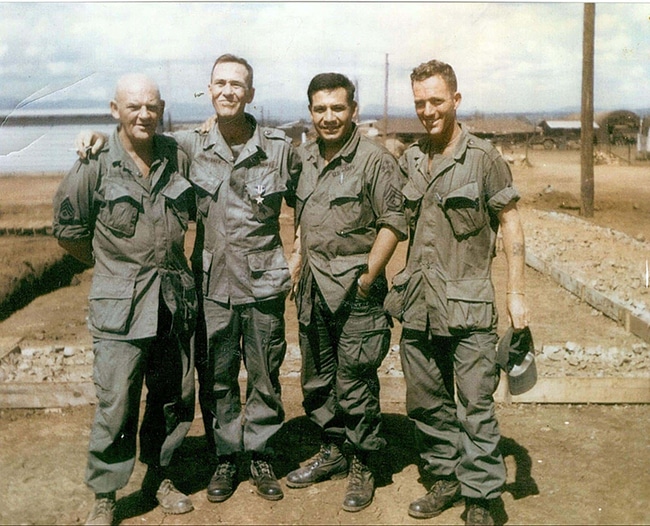
Following the M-1951—which introduced the zipper closure and "bi-swing" back pleats for improved shoulder mobility—the design reached its technological peak in 1965 with the M-65. Produced by contractors such as Alpha Industries, the M-65 was engineered specifically for the humid and unpredictable environments of the Vietnam War.
The M-65 introduced several key innovations that have since become standard in the garment industry:
- NYCO Fabric: A 50/50 cotton-nylon sateen blend that provided superior wind and water resistance compared to pure cotton, while maintaining breathability.
- Stowaway Hood: A built-in hood concealed within the stand-up collar via a heavy-duty zipper, providing immediate protection from tropical downpours.
- Velcro Fasteners: The replacement of buttons with hook-and-loop fasteners at the cuffs and collar allowed for a more secure, adjustable seal against the elements.
- Removable Liner: The jacket was cut with a boxy silhouette to accommodate a button-in quilted nylon liner, making it a true four-season garment.
Data from military procurement archives show that the M-65 remained the standard-issue cold-weather jacket for the U.S. military for over 25 years, only being phased out in the late 1980s with the advent of the Extended Cold Weather Clothing System (ECWCS).
Socio-Political Symbolism: From the Frontlines to the Counterculture
The transition of the field jacket from a government-issued uniform to a civilian staple was driven by the massive influx of military surplus following the Korean and Vietnam Wars. In the 1950s and 60s, working-class civilians adopted the M-1943 and M-1951 for their durability and low cost. However, it was during the late 1960s that the M-65 took on a deeper cultural significance.
Returning Vietnam veterans often wore their issued jackets as they integrated back into society. When many of these veterans joined the anti-war movement, the M-65 became a visual symbol of dissent. By wearing the uniform of the state to protest the state’s actions, activists subverted the jacket’s original purpose. This "rebel" association was quickly adopted by various subcultures, including the 1970s punk scene in London and New York, where the jacket was often customized with patches and pins to signal non-conformity.
Cinematic Influence and the ‘Rebel’ Aesthetic
Hollywood played a pivotal role in cementing the field jacket’s status as the uniform of the "rugged outsider." Costume designers frequently utilized the M-65 to communicate specific character traits without the need for dialogue.
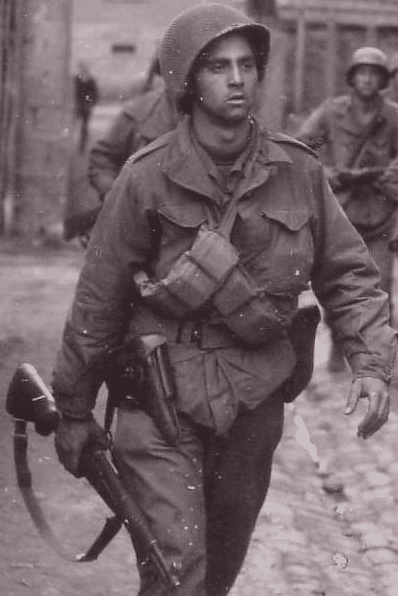
- Al Pacino in Serpico (1973): The jacket signaled the protagonist’s refusal to adhere to the rigid, often corrupt, dress codes of the police department.
- Robert De Niro in Taxi Driver (1976): Travis Bickle’s M-65, adorned with military patches, served as a "civilian combat uniform," reflecting his psychological isolation and lingering trauma.
- Woody Allen in Annie Hall (1977): The use of the field jacket in this context demonstrated its versatility, proving it could also function as the uniform of the urban, neurotic intellectual.
- Sylvester Stallone in First Blood (1982): John Rambo’s battered M-65 became an iconic image of the disenfranchised veteran, emphasizing the jacket’s survivalist roots.
The Modern Marketplace: Heritage Replicas and Contemporary Updates
In the current menswear market, the field jacket exists in three distinct categories: authentic vintage, heritage reproductions, and "inspired-by" modern iterations.
Industry analysts observe that while authentic vintage M-65s are highly prized, they are becoming increasingly difficult to source in larger sizes, as the original military sizing tended to be smaller than modern standards. Consequently, brands like Alpha Industries continue to produce the "Heritage M-65," though some purists argue that the new production lacks the "lived-in" patina of vintage surplus.
The high-end market is currently dominated by Japanese "reproduction" brands such as The Real McCoy’s and Buzz Rickson’s. These companies utilize vintage looms and period-correct materials to recreate jackets that are often of higher quality than the original military issues, with price points frequently exceeding $800. Conversely, mid-tier brands like Bronson MFG offer replicas in the $100–$150 range, catering to consumers who prioritize historical accuracy on a budget.
Contemporary fashion labels, including Filson and Huckberry’s Flint and Tinder, have adapted the field jacket by slimming the silhouette and removing some of the bulkier tactical features. These "modernized" versions often include internal drawstrings to create a tapered V-shape, mimicking the tailoring of a blazer while retaining the rugged aesthetic of the original.
Design Principles: Why the Field Jacket Endures
The longevity of the field jacket in fashion can be attributed to several core design principles that align with masculine aesthetic preferences. The hip-length cut is universally flattering, providing coverage without shortening the leg line. Furthermore, the internal drawstring—a feature of the M-1951 and M-65—allows the wearer to cinch the waist, creating a structured silhouette that emphasizes the shoulders.
Architecturally, the four-pocket layout provides "visual weight," making the garment look substantial and purposeful. From a practical standpoint, the jacket’s ability to pair with a wide range of textures—such as denim, corduroy, and heavy cotton—makes it a versatile "bridge" piece for transitional weather.

Broader Impact and Implications
The evolution of the field jacket reflects a broader trend in menswear where functionality dictates form. As modern consumers move away from formal attire and toward "gorpcore" and heritage-inspired workwear, the field jacket remains a primary reference point. Its transition from the Ardennes to the streets of modern metropolises underscores a fundamental truth about men’s style: garments built for survival often possess a timelessness that purely decorative fashion cannot achieve.
As the industry continues to grapple with sustainability, the field jacket stands as a counterpoint to "fast fashion." Whether purchased as a 40-year-old surplus item or a high-quality modern reproduction, the jacket is designed to endure decades of wear, solidifying its place as a permanent fixture in the history of apparel. For the modern man, the field jacket is more than a layering piece; it is a storied artifact of engineering that continues to serve the "trenches" of daily life with the same reliability it once provided on the battlefield.

0 Comments