
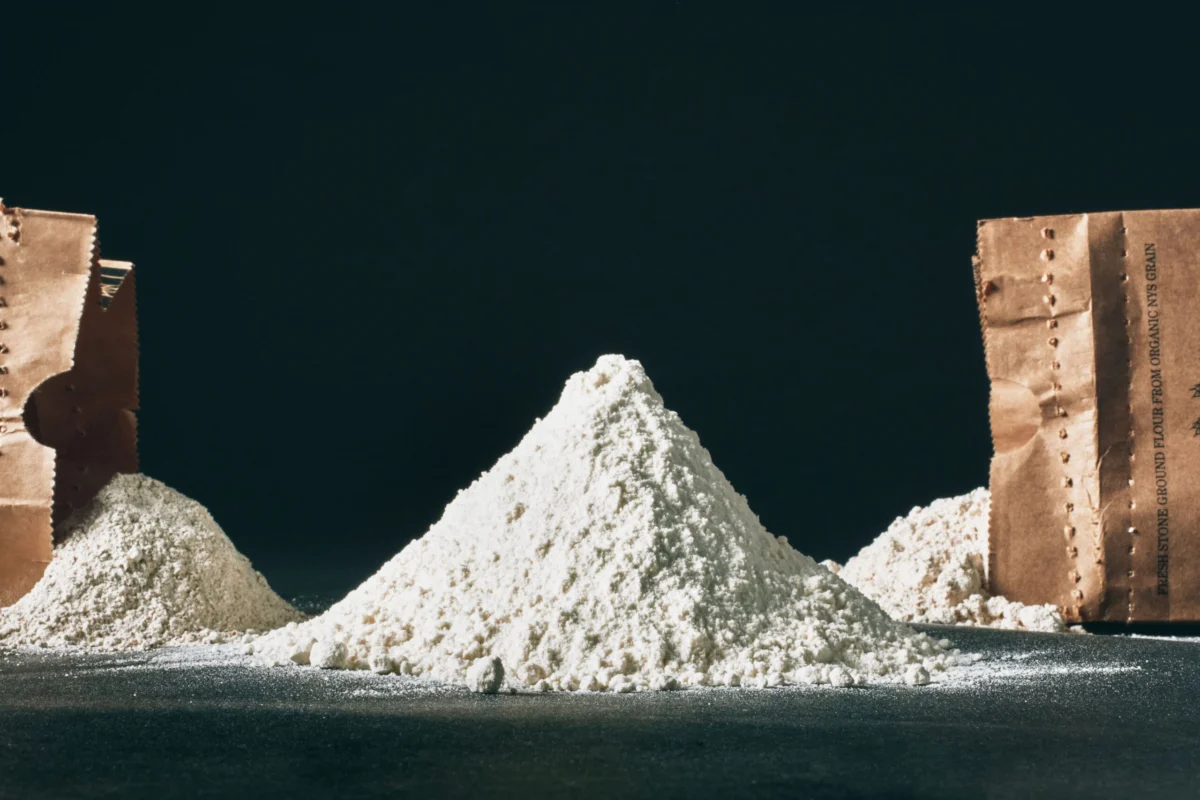
The question of whether flour, a seemingly inert pantry staple, can expire is one that perplexes many home bakers, particularly when faced with a forgotten bag tucked away in the back of a cupboard, its best-by date a distant memory. The answer, simply put, is yes, flour does have a shelf life. While it doesn’t spoil in the same way that fresh produce does, it can degrade over time, leading to a loss of flavor, potential pest infestation, and even rancidity, especially in varieties containing natural oils. The rate at which flour declines in quality is intrinsically linked to its type and how it is stored. To gain deeper insight into this common culinary concern, we consulted with Sarah Jampel, the recipe development and test kitchen manager at King Arthur Baking Company, a respected authority in the baking world. Jampel, who is meticulous about ingredient freshness in a professional setting, also champions minimizing food waste by judiciously using ingredients that may have passed their printed expiration dates. Her expertise sheds light on the nuanced factors governing flour’s longevity.
"Flour is an agricultural product," Jampel explains, drawing a parallel to fruits and vegetables. "Like them, it originates from the earth, which inherently means it is perishable. Consequently, its freshness directly impacts its performance and taste in baked goods." This perishability is particularly pronounced in whole grain and nut flours. These varieties, unlike their refined counterparts, retain the bran and germ of the grain or nut. These components are rich in natural oils, which, over time, are susceptible to oxidation. This chemical process can lead to the flour developing an off-putting, rancid odor and taste, often described as bitter or soapy.
Identifying Signs of Spoilage: Beyond the Best-By Date
Recognizing when flour has gone beyond its prime involves more than just a glance at a printed date. Sensory cues play a crucial role. Unpleasant flavors are a primary indicator, but the aroma and visual appearance of flour can also signal spoilage. Rancid flour often presents with a bitter or soapy taste, a distinct departure from its expected neutral flavor. However, it is imperative to avoid tasting raw flour to assess its freshness. This practice carries a significant health risk, as uncooked flour can harbor dangerous pathogens such as Salmonella and E. coli. Instead, home bakers should diligently inspect their flour for visual indicators of decline. These include discoloration, which may manifest as a faint gray or yellow hue, noticeable clumping that doesn’t dissipate upon gentle handling, or the presence of mold. Any odor that deviates from the characteristic mild, nutty scent of fresh flour should be treated with suspicion.
Beyond chemical and visual degradation, flour is also an attractive food source for various pantry pests. Weevils and pantry moths are common culprits that can infest flour supplies, particularly in environments that are warm and humid, or if there has been a history of pest issues in the kitchen. These insects can not only contaminate the flour but also reproduce within it, rendering it unsuitable for consumption.
Data Point: According to a study by the Food and Agriculture Organization of the United Nations (FAO), approximately one-third of all food produced globally is lost or wasted. Flour, as a staple ingredient, contributes to this statistic when improperly stored or discarded prematurely.
Performance as an Indicator: When Baking Reveals the Truth
The way flour performs in recipes can also offer clues about its freshness. For instance, whole grain flours that are past their peak may lead to suboptimal results in baked goods. Doughs might exhibit a different texture during kneading, or cookies might spread excessively during baking, indicating a loss of structural integrity. Jampel emphasizes that discerning when flour is no longer optimal often requires a degree of "baker’s intuition"—a cultivated sense developed through experience. In essence, if there is any discernible evidence of spoilage, whether visual, olfactory, or through poor baking performance, it is best to err on the side of caution and discard the flour, ideally by composting it to minimize waste.
It is important to note a common point of confusion regarding clumps in flour. Gluten-free flours, due to their high starch content, are naturally prone to clumping. This characteristic alone should not be a cause for immediate disposal. If these clumps can be easily whisked out and the flour does not exhibit any off-putting odors, it is likely still safe and suitable for use.
Understanding Flour Lifespans: A Typology of Perishability
The duration for which flour remains viable varies significantly based on its composition and processing. This variability necessitates a nuanced understanding of different flour types:
All-Purpose and Refined Flours: The Long Haulers
Estimated Shelf Life: 12 to 18 months when stored properly.
Refined flours, which encompass most common white flours such as all-purpose, bread flour, cake flour, pastry flour, and Italian "00" flour, boast the most forgiving shelf life among all flour varieties. This extended longevity is attributed to the fact that the bran and germ have been removed during the milling process, significantly reducing the oil content. As long as these flours are kept dry and protected from insect infestation, they can maintain their quality for well over a year.
Self-Rising Flour: A Special Case
Estimated Shelf Life: 12 months.

Self-rising flour presents a notable exception among refined flours. It is a pre-mixed blend of all-purpose flour, baking powder, and salt. The critical component here is the baking powder, a chemical leavening agent. Baking powder is sensitive to moisture and time; its potency can begin to diminish on or after the flour’s best-by date. Consequently, using self-rising flour that has exceeded its recommended shelf life may result in baked goods that do not rise as expected, leading to dense cakes, biscuits, or muffins. Jampel advises bakers to be mindful of this potential loss of leavening power.
Whole Grain Flours: The Perishable Powerhouses
Estimated Shelf Life: 3 to 6 months.
The term "whole grain" encompasses a diverse array of milled grains and seeds, including but not limited to rye, spelt, and buckwheat (which, botanically, is a seed). A defining characteristic of whole grain flours is the inclusion of the bran and germ – the very components that are removed from refined flours. These elements are responsible for the distinct flavors, richer nutritional profiles, and desirable textures that whole grain flours impart to baked goods. However, they are also the reason for their accelerated rate of deterioration. The natural oils present in the bran and germ are prone to oxidation, leading to rancidity. The precise spoilage rate can vary between different types of grains, resulting in a broad shelf-life range for whole grain flours.
Nut and Coconut Flours: High Fat, Shorter Life
Estimated Shelf Life: Varies, but often best used within a few months of purchase, especially after opening.
Flours derived from ground nuts, such as almond and walnut flour, and coconut flour (made from pulverized dried coconut meat), share a characteristic with whole grain flours: a higher fat content. This elevated fat content makes them more susceptible to becoming rancid over time. Jampel strongly advises heeding the expiration dates on these types of flours. Once they turn, they will develop an off-putting flavor and aroma, often likened to damp cardboard or Play-Doh, which will inevitably transfer to any baked goods prepared with them.
Optimizing Flour Storage: A Strategy for Extended Freshness
The proper storage of flour is paramount to preserving its quality and extending its usable life. The method of storage will significantly influence how long flour remains suitable for baking.
Pantry Storage: The Standard Approach
Refined flour, due to its low moisture and oil content, is relatively stable at room temperature. When stored in an airtight container in a cool, dry pantry, most white flours can maintain their flavor and performance for a year or even longer. In contrast, whole grain flours are more perishable. Their increased oil content necessitates more careful storage, and they typically last only two to three months when kept in a pantry.
Refrigeration: A Cooler Climate for Flour
Storing flour in the refrigerator offers a significant advantage in extending its shelf life. The lower temperatures slow down the rate of oxidation, which is the primary cause of rancidity in flours with higher fat content. Furthermore, refrigeration acts as a deterrent against common pantry pests like weevils and pantry moths. If opting for refrigeration, it is crucial to transfer the flour to an airtight container. This prevents the flour from absorbing moisture and undesirable odors from other items in the refrigerator.
Freezing: The Ultimate Preservation Method
For the longest-term storage, the freezer is the most effective solution, particularly for the more volatile types of flour. Many bakers routinely store whole grain, nut, and coconut flours in sealed zip-top bags in the freezer. This practice effectively halts the natural oils from turning rancid and helps to preserve their delicate flavors for extended periods. When using flour that has been refrigerated or frozen, it is essential to allow it to return to room temperature before incorporating it into recipes. This ensures that the flour mixes evenly with other ingredients, leading to consistent baking results.
Ultimately, the most reliable method for determining the freshness of flour is to engage your senses. Flour that smells neutral and fresh is generally safe to use. Conversely, any flour that exhibits a sour, musty odor, or a color that has noticeably changed from its original state, should be considered suspect and likely discarded. By understanding the inherent properties of different flour types and implementing appropriate storage strategies, home bakers can maximize their ingredients’ longevity and ensure consistent, delicious results in their culinary endeavors.
Broader Implications: Food Waste and Culinary Confidence
The understanding of flour’s shelf life has direct implications for reducing household food waste. By knowing how to properly store and assess different types of flour, consumers can avoid discarding perfectly usable ingredients. This not only contributes to a more sustainable food system but also enhances culinary confidence, empowering bakers to utilize their pantry staples effectively. The King Arthur Baking Company’s commitment to education on such matters underscores a growing trend in the food industry to promote mindful consumption and reduce the environmental impact of food production and distribution. As consumers become more informed, the demand for products with longer shelf lives and clearer storage guidelines is likely to increase, driving innovation in food preservation and packaging technologies. The seemingly simple question of "Does flour go bad?" opens a window into a complex interplay of agricultural science, food chemistry, and sustainable consumer practices.

0 Comments