
The culinary world is a dynamic landscape, constantly evolving with trends, controversies, and the ever-present influence of economic forces. This week, several significant developments have captured the attention of food enthusiasts and industry observers alike, ranging from the peculiar intersection of politics and fast food to the growing influence of regional tastes and the escalating cost of everyday staples.
Political Fast Food: A Stunt for a "No Tax on Tips" Policy
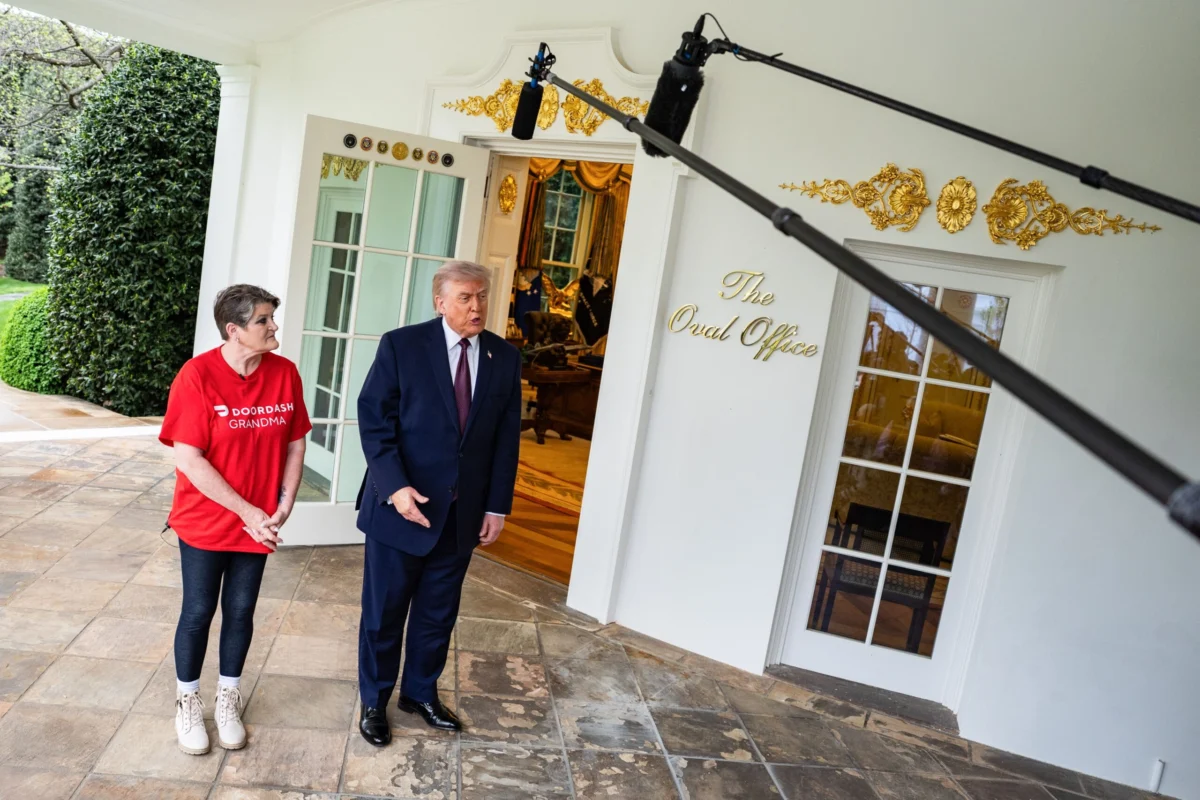
In a move that has raised eyebrows and sparked considerable discussion, a recent event saw a prominent political figure ordering fast food to the Oval Office, ostensibly to promote a specific policy initiative. The incident, which involved a DoorDash delivery, highlighted the complex relationship between political messaging and the everyday consumption habits of Americans. Reports indicate that the delivery driver, Sharon Simmons, was presented with a question regarding men’s participation in women’s sports, to which she responded neutrally, stating she had no opinion. This interaction, though seemingly tangential to the food delivery, underscored the broader cultural conversations often interwoven with political discourse.
The policy in question, a proposed "no tax on tips," has generated varied reactions within the service industry. While proponents argue it could provide immediate relief to workers, others express concern about potential long-term implications for tax revenue and the complex accounting involved. A 2023 analysis by the Congressional Budget Office indicated that changes to tip taxation could have significant budgetary impacts, requiring careful consideration of revenue streams and potential economic shifts. Historically, the taxation of tips has been a point of contention, with various legislative efforts over the decades attempting to simplify or alter the existing framework. This latest push signifies a continued engagement with this persistent issue.
The broader implications of using fast food as a backdrop for policy promotion are also noteworthy. Fast food chains, with their ubiquitous presence and association with affordability and convenience, often serve as relatable touchpoints for a wide demographic. However, the choice of McDonald’s, a company with its own complex history of labor practices and economic impact, adds another layer to the narrative. This tactic raises questions about the effectiveness of such strategies in communicating nuanced policy proposals and the potential for such events to overshadow the substance of the legislation itself.
The Rise and Shifting Fortunes of "Utah-ification" in Food Culture
A notable trend gaining traction in recent years has been the increasing influence of Utah’s food culture on the national stage, a phenomenon observers have dubbed "Utah-ification." This trend is characterized by the proliferation of specific culinary concepts and brands originating from the Beehive State. One of the most prominent examples is Crumbl Cookies, which experienced meteoric growth, quickly establishing itself as one of the fastest-growing dessert shops in the country. Founded in 2017, Crumbl expanded rapidly, leveraging a business model focused on rotating weekly cookie flavors and a strong social media presence. By 2023, the company boasted hundreds of locations nationwide.
Another significant contributor to this trend is Swig, a beverage company that popularized the "Dirty Soda" concept. Dirty Sodas, typically a concoction of soda, cream, and various flavorings, gained significant mainstream attention, amplified in part by their portrayal on the Hulu series "The Secret Lives of Mormon Wives." This cultural exposure helped to propel the concept beyond its regional roots.
However, the narrative of unbridled expansion for Utah-based food ventures has recently encountered some turbulence. Reports from late 2024 and early 2025 indicate a slowdown in Crumbl’s growth trajectory. Franchise documents suggest a decline in average unit volumes for 2025, following a period of moderated expansion in 2024. This shift in performance metrics has led to speculation about the sustainability of Crumbl’s rapid growth model and whether the company can adapt to evolving market conditions. The broader implications of this trend reversal could signal a maturation of the "Utah-ification" movement, with companies needing to navigate increased competition and potential market saturation. The fast-casual dining sector, in particular, has seen increased scrutiny regarding unit economics and the long-term viability of high-growth strategies.
In response to the growing popularity of Dirty Sodas, major players in the fast-food industry have begun to incorporate similar offerings. McDonald’s, for instance, has introduced beverages like the "Dirty Dr. Pepper," a clear indication of the trend’s influence on established brands. This adaptation by larger corporations could either further legitimize and expand the market for these types of drinks or potentially dilute their unique appeal.
The Rotisserie Chicken Price Debate: Inflation’s Bite on a Kitchen Staple
The escalating cost of food staples has become a persistent concern for consumers, and a recent high-profile example has ignited widespread debate among food critics and the public. The discussion centers on the price of a rotisserie chicken at Gigi’s, a restaurant in Greenpoint, New York, which has been reported to cost $77 for a whole chicken, including roast potatoes and a trio of sauces. A half chicken is priced at $40.
This pricing has drawn sharp criticism, particularly from New York City councilman Chi Ossé, who publicly questioned the affordability of such an item. The restaurant’s owner, Hugo Hivernat, defended the pricing, citing the impacts of inflation and the broader affordability crisis on operational costs. "Is it bad that we ended up having a half chicken at $40? Probably, yes, but this is how the inflation and the affordability crisis is coming through," Hivernat stated in an interview with Bon Appétit. "It’s not our fault we have to do these prices."
The controversy surrounding the $77 rotisserie chicken is symptomatic of a larger economic challenge. Data from the U.S. Bureau of Labor Statistics consistently shows elevated inflation rates for food items over the past several years. The Consumer Price Index for food at home and food away from home has seen significant year-over-year increases, impacting everything from raw ingredients to prepared meals. For a product as common as a rotisserie chicken, a perceived symbol of accessible, convenient protein, such a price point challenges consumer expectations and highlights the pervasive nature of rising costs.
Industry analysts suggest that while ingredient costs, labor expenses, and supply chain disruptions contribute to higher menu prices, restaurants must also balance these realities with consumer price sensitivity. The debate at Gigi’s underscores the difficulty for restaurants, particularly independent establishments, in absorbing increased costs without alienating their customer base. The long-term implications of such pricing strategies could lead to a bifurcation of the dining market, with high-end establishments catering to a different demographic than those seeking more budget-friendly options.
The Corporate Takeover of Bagels: Private Equity’s Growing Interest
The humble bagel, once a symbol of simple, artisanal baking, is increasingly becoming a target for private equity investment, signaling a potential shift in the industry’s landscape. Historically, the appeal of a local bagel shop lay in its unpretentious atmosphere and the perceived authenticity of its offerings. However, a growing segment of the market now embraces a more upscale approach, with establishments like Courage Bagels in Los Angeles and Boichik Bagels in the Bay Area focusing on premium ingredients and curated aesthetics.
This trend toward a more refined bagel experience has coincided with a surge in investment from venture capital and private equity firms. These investors see potential for significant returns in the burgeoning artisanal food market. Reports indicate that bagel shops across the country are attracting substantial funding, enabling expansion and the development of new operational models. This influx of capital could usher in a new era for bagel consumption, potentially making high-quality bagels more accessible to a wider audience through expanded chains and standardized production.
However, concerns remain regarding the impact of private equity on the unique character of food ventures. Critics often point to a tendency for such investment to prioritize profit margins and scalability, potentially at the expense of traditional quality, community focus, or worker welfare. The history of private equity involvement in other food sectors, such as fast-casual restaurants and grocery stores, has yielded mixed results, with some successful expansions and others leading to consolidation and a homogenization of offerings.
The assertion by Bon Appétit in 2023 that the "best bagels now exist outside of New York" suggests a decentralization of the bagel’s traditional stronghold. This geographical shift, coupled with increased investment, could lead to further innovation and diversification within the bagel market. Nevertheless, the long-term effects of private equity’s influence on the artisanal bagel industry remain a subject of ongoing observation and analysis. The potential for a "golden age" of bagel-dom exists, but it is tempered by the inherent risks associated with corporate financial interests shaping a beloved culinary tradition.
Erewhon’s Expansion into LACMA: A Cultural Convergence
The recent opening of Erewhon, a high-end grocery store chain known for its organic and specialty products, within the Los Angeles County Museum of Art (LACMA) has generated a mixed reaction. The collaboration, which officially launched on April 19, represents a fusion of a prominent cultural institution with a popular retail brand. Supporters view this as an innovative approach to enhancing visitor experience and creating new revenue streams for the museum. Critics, however, express concern that the commercialization of museum space may detract from its artistic mission.
Erewhon has cultivated a reputation as a lifestyle brand, attracting a devoted following among health-conscious consumers and celebrities. Its presence in a museum setting can be seen as an attempt to align with LACMA’s image as a sophisticated cultural hub. This integration raises broader questions about the evolving role of museums in the 21st century and their strategies for engagement and sustainability. While some see it as a progressive step toward making art more accessible and integrated into daily life, others worry about the potential for such ventures to dilute the museum’s core purpose and artistic integrity.
Philz Coffee’s Stance on Pride Flags and "Unifying" Artwork
Philz Coffee has once again found itself in the spotlight for its policy regarding the display of Pride flags in its stores. Following discussions on the matter last week, a leaked internal memo, reported by the San Francisco Chronicle, suggests the company plans to replace Pride flags with a new, "unifying" piece of artwork to be displayed in all locations. This decision has drawn criticism from LGBTQ+ advocacy groups and allies who view it as a step backward in supporting the community.
The company’s stated intention to introduce a "unifying" artistic element aims to foster an inclusive atmosphere without explicitly endorsing specific seasonal or advocacy-related displays. However, the move away from visible symbols of support for the LGBTQ+ community has been interpreted by many as a retreat from inclusivity. The broader implications of such corporate decisions extend to consumer loyalty and brand perception, particularly among demographics that value social responsibility and visible allyship. The debate over corporate responses to social and political issues continues to be a significant factor in consumer choice and public discourse.
Crumbl’s Slowdown and the Future of Dessert Franchises
The recent reports of slowed growth and declining unit volumes for Crumbl Cookies have ignited discussions about the sustainability of the highly successful dessert franchise model. After a period of rapid expansion that saw the company become a dominant force in the cookie market, the current financial indicators suggest a potential shift in market dynamics. Factors such as increased competition, evolving consumer preferences, and the inherent challenges of maintaining high growth rates in a saturated market may be contributing to this slowdown.
The franchise model, while effective for rapid scaling, also presents unique challenges. Unit economics, franchisee profitability, and the ability of the franchisor to adapt to changing consumer demands are critical for long-term success. The potential for Crumbl to explore diversification strategies, such as introducing new product lines or adjusting its operational model, will be closely watched. The future of dessert franchises, in general, may depend on their ability to innovate beyond rapid expansion and focus on sustainable, adaptable business practices that resonate with contemporary consumer expectations.
In conclusion, the current culinary landscape is marked by a confluence of economic pressures, evolving consumer tastes, and the intersection of food with broader social and political dialogues. From the strategic use of fast food in political messaging to the cultural impact of regional cuisines and the ongoing debate over food affordability, these developments underscore the dynamic and often surprising nature of the food industry. The coming months will likely reveal how these trends continue to shape the way Americans eat, shop, and interact with the food that defines their lives.

0 Comments