
Head lice, scientifically known as Pediculus humanus capitis, represent a common yet frequently misunderstood parasitic infestation affecting millions of families globally each year. Despite their prevalence, particularly among school-aged children, the discovery of head lice often triggers panic, shame, and a flurry of misinformed reactions from parents. This article aims to demystify head lice, providing evidence-based strategies for detection, treatment, prevention, and addressing the persistent societal stigma associated with these minute, wingless insects. By drawing on expert insights and current best practices, we offer a comprehensive guide to manage head lice calmly and effectively.
Understanding Pediculosis Capitis: The Biology of Head Lice
Head lice are obligate human parasites, meaning they cannot survive for long periods away from a human host. They feed on human blood multiple times a day. Understanding their life cycle is crucial for effective eradication.
- Nits (Eggs): These are tiny, oval-shaped eggs, typically yellow or white, firmly attached to the hair shaft close to the scalp. They are often mistaken for dandruff or hairspray droplets but cannot be easily flicked off. Nits usually hatch within 7 to 10 days.
- Nymphs: Once hatched, a nit becomes a nymph, an immature louse. Nymphs mature into adults within about 7 to 10 days after hatching, undergoing three molts.
- Adult Lice: Adult lice are about the size of a sesame seed, tan to grayish-white in color, and move quickly, making them difficult to spot. Female adult lice can live for approximately 30 days on a human host and can lay between 3 to 10 eggs per day.
The primary mode of transmission for head lice is direct head-to-head contact, which is common during children’s play, sports, or sleepovers. While less common, transmission via shared items like hats, combs, brushes, or headphones (fomites) is possible, though lice typically do not survive for more than 24-48 hours off a human host. The Centers for Disease Control and Prevention (CDC) estimates that 6 million to 12 million infestations occur annually in the United States among children aged 3 to 11 years, highlighting the widespread nature of the issue.
Addressing the Enduring Stigma and Misconceptions
The discovery of head lice often evokes feelings of shame and embarrassment, a phenomenon that experts attribute to generational baggage and deeply ingrained societal perceptions. Many adults recall punitive measures or public humiliation from their own childhoods when lice were discovered, leading to an enduring sense that lice are a "dirty secret."
Joanna Shu, CEO of Cartwheel, a company focused on modern family health solutions, emphasizes that this instinctual reaction is based on outdated notions. "Lice don’t care if your house is spotless," Shu states. "They spread through close contact, which happens constantly among kids at school, camp, sports, and sleepovers. In other words, lice are spread by kids being kids." This perspective is crucial for debunking the persistent myth that head lice are an indicator of poor hygiene or socio-economic status. In reality, head lice thrive in clean hair and do not discriminate based on cleanliness.
Beyond historical context, the innate human aversion to insects also contributes to the "ick" factor. As Shu notes, "We’re wired to feel disgust from bugs, and that goes back to the caveman days." Recognizing that this disgust is an instinctual response, rather than evidence of a hygiene failure, is the first step toward a calmer, more rational approach. The psychological impact on children can also be significant; if parents react with panic or shame, children may internalize these feelings, leading to anxiety or social withdrawal.
The Evolving Landscape of Lice Treatment
For decades, the primary over-the-counter (OTC) treatments for head lice relied on pesticide-based ingredients such as permethrin and pyrethrins. While often effective initially, a significant challenge has emerged: the widespread development of resistance in lice populations to these traditional insecticides. These "super lice," as they are colloquially known, have made many conventional treatments less efficacious, necessitating a shift towards alternative approaches.
This rise in resistance has spurred the development of non-pesticide, physical treatments. These newer formulations typically employ ingredients like dimethicone, mineral oil, or a blend of naturally derived oils and cosmetic abrasives. Instead of poisoning the lice, these products work by physically suffocating, dehydrating, or immobilizing them. This mechanical mode of action means lice cannot develop resistance, offering a promising solution for recurrent infestations.
Cartwheel’s "Nit Happens" treatment, for example, utilizes this newer approach, leveraging oils and mild cosmetic abrasives to physically dehydrate lice. Such kits often provide all necessary components—treatment gel, removal shampoo, a professional-grade comb, and gloves—streamlining the process for parents and minimizing the need for frantic, late-night pharmacy runs.
A Comprehensive Step-by-Step Guide to At-Home Lice Management
Effective at-home treatment requires a systematic approach, combining effective products with diligent mechanical removal.
Step 1: Initial Assessment and Remaining Calm
Upon discovering head lice, the immediate impulse for many parents is panic. However, it’s vital to remember that head lice infestations typically take 2 to 4 weeks to become noticeable through itching. "Taking a few minutes or hours before you treat won’t make a difference," advises Joanna Shu. There is no need for immediate, disruptive action like waking a child in the middle of the night. A calm, measured response sets a positive tone for both the parent and the child.
Step 2: Accurate Identification
Proper identification is key. Good lighting and a fine-toothed lice comb are indispensable tools. Focus your inspection on common "hot spots" where lice prefer to congregate due to warmth: behind the ears and at the nape of the neck. You are looking for:
- Live Lice: These are small, tan-colored, and fast-moving. Their ability to move quickly makes them hard to spot.
- Nits: Small, oval eggs, typically white or yellowish, firmly cemented to the hair shaft within a quarter-inch of the scalp. If unsure, a pediatrician or school nurse can confirm the diagnosis. Differentiating nits from dandruff or hairspray residue is important; nits will not easily slide off the hair shaft.
Step 3: Selecting and Applying an Effective Treatment
This step is the cornerstone of eradication. Choose a treatment product—either a pesticide-based option (if local resistance is not an issue) or a non-pesticide, physical method—and follow the instructions meticulously.
- Product Choice: Given the rise of "super lice," non-pesticide treatments are often recommended as a first line of defense due to their resistance-proof mechanism.
- Application: Apply the chosen treatment thoroughly to dry or damp hair as directed. Ensure complete saturation, especially in the areas where lice and nits are most concentrated.
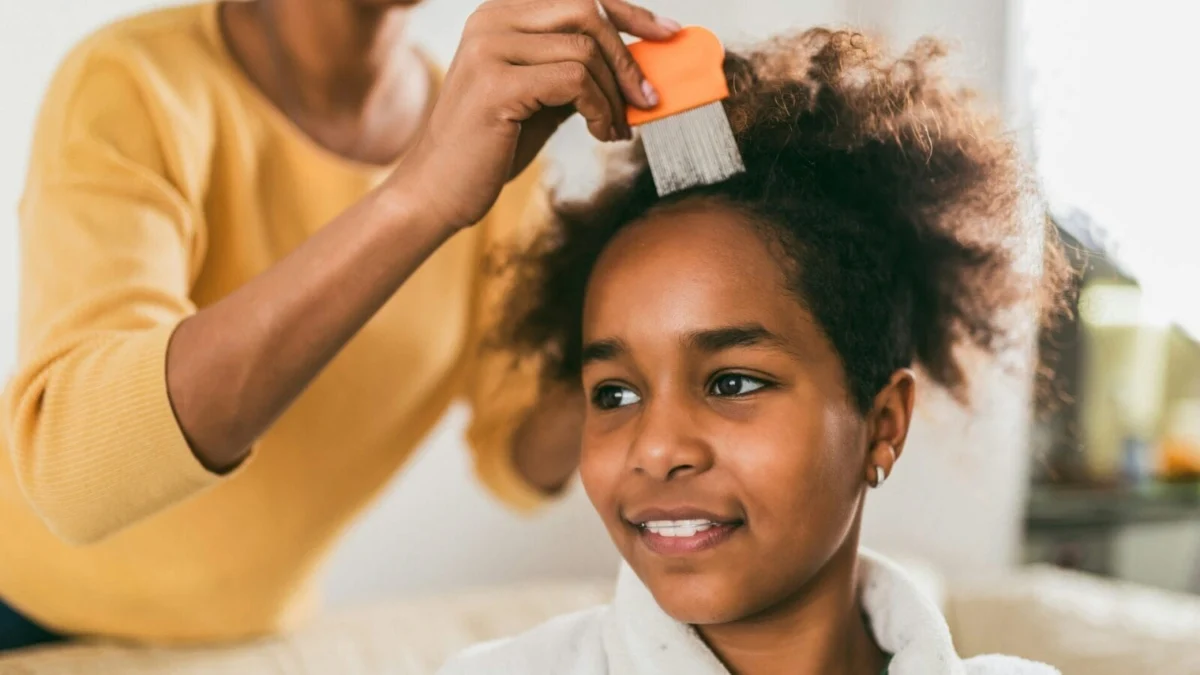
- The Indispensable Role of the Lice Comb: Regardless of the chemical or physical treatment used, mechanical removal with a high-quality, fine-toothed metal lice comb is non-negotiable. Treatment products kill or immobilize lice, but combing physically removes both dead and live lice, as well as nits, from the hair. Divide the hair into small sections, comb from the scalp to the ends, and wipe the comb on a paper towel after each pass to inspect and remove debris. Repeat this process until no more lice or nits are found.
Step 4: Smart Environmental Cleaning and Sanitization
One of the most anxiety-inducing aspects of a lice infestation is the perceived need for extensive household cleaning. Experts, however, confirm that this is largely unnecessary. "You do not need to buy special pesticides and spray them on fabrics or carpets. It’s totally unnecessary," states Joanna Shu. Head lice are highly dependent on a human host for survival and die quickly (typically within 24-48 hours) when removed from the scalp.
Focus on targeted cleaning:
- Wash: Launder items that have had recent (within 2 days) direct head contact in hot water (at least 130°F or 54°C) and dry on high heat. This includes pillowcases, hats, scarves, and hair accessories.
- Rinse: Clean combs and brushes by soaking them in hot water (at least 130°F) for 5-10 minutes.
- Isolate: For items that cannot be washed (e.g., stuffed animals), seal them in a plastic bag for a few days. Lice will die without a blood meal.
- Vacuum: A quick vacuuming of areas where the infested person frequently sits or lies (e.g., sofas, car seats) can offer peace of mind, but is generally not considered essential for breaking the transmission cycle.
"Lice are primarily a scalp issue, not a house issue," Shu concludes, simplifying the often-overwhelming cleaning protocol.
Ineffective Remedies and What to Avoid
The internet abounds with home remedies for head lice, ranging from applying mayonnaise or olive oil to using vinegar or Listerine. While some of these methods might appear to work, often it’s the accompanying rigorous combing, rather than the substance itself, that yields results.
"These home remedies are not proven to work and usually only drag out the process unnecessarily and upset your kids," warns Shu. Substances like mayonnaise or olive oil are intended to suffocate lice, but their efficacy is inconsistent, and they can be messy and difficult to remove. Vinegar is often touted for dissolving the "glue" that attaches nits, but scientific evidence supporting this claim is weak. Relying solely on unproven home remedies can prolong the infestation and increase parental frustration. The most effective strategy remains the combination of a scientifically proven treatment product and thorough manual combing.
Communication Strategies: Informing Children and the Community
How parents communicate about head lice significantly impacts a child’s experience and the broader community’s response.
- Talking to Your Child: Maintain a calm and matter-of-fact tone. Explain that "this happens sometimes when kids play close together. It’s annoying, but we’ll take care of it." This reassurance helps children understand they are not to blame and normalizes the experience, preventing feelings of embarrassment or isolation. Parents modeling resilience and problem-solving during uncomfortable situations teaches children valuable coping mechanisms.
- Notifying Schools and Other Parents: Keep notifications simple, direct, and shame-free. A concise message such as, "Just a heads-up that we discovered lice and are treating it. You may want to check your child just in case," is sufficient. An "apology tour" or excessive detail is unnecessary and can inadvertently perpetuate stigma.
Ensuring Success: Follow-Up and Long-Term Prevention
Treating lice is not a one-time event; consistent follow-through is critical to break the infestation cycle.
- The Crucial Second Treatment: Most OTC treatments recommend a repeat application 7 to 10 days after the initial treatment. This second application is vital for killing any nymphs that may have hatched from nits missed during the first treatment or combing, before they can mature and lay new eggs. Skipping this step is a common reason for persistent infestations.
- Regular Comb-Throughs: Continue daily comb-throughs with a metal lice comb for the first few days post-treatment, then shift to checks every couple of days for the next one to two weeks. Focus on the nape of the neck and behind the ears.
- Identifying Inactive Nits: If you continue to spot nits after treatment, check their distance from the scalp. Nits more than an inch away from the scalp are likely either empty casings or dead, non-viable eggs. Seeing these does not necessarily mean the treatment failed.
- Preventative Measures:
- Hair Tying: For children with long hair, keeping it pulled back in braids or ponytails can significantly reduce the chances of head-to-head transmission. Loose hair can act as a "mop," increasing contact surface.
- Detanglers/Leave-in Conditioners: These products can create a smoother, less hospitable surface for lice to cling to. As Shu aptly illustrates, "Imagine trying to hold on to a rope covered in conditioner."
- Daily Quick Checks: Incorporating a quick daily check with a lice comb, especially during periods of high prevalence (e.g., after school breaks), can catch new infestations early, before they escalate.
When to Seek Professional Assistance
While most families can successfully manage head lice at home with the right tools and information, there are circumstances where professional lice removal services are beneficial.
- Persistent Infestations: If live lice are still observed after two complete rounds of home treatment, it may indicate resistance to the chosen product or issues with application technique.
- Difficulty with Home Treatment: Long, thick, or curly hair can make thorough combing challenging and time-consuming. Parents of infants or multiple children may find the process overwhelming.
- Uncertainty in Identification: If parents are unsure whether they are correctly identifying lice or nits, a professional can provide confirmation and guidance.
Professional lice removal clinics use specialized techniques and products, often involving heated air devices or enzyme-based treatments, combined with meticulous combing. "Getting support isn’t a failure," Shu states. "It’s just another tool."
Conclusion: A Nuisance, Not a Crisis
Head lice are a universal childhood experience, a common inconvenience, but crucially, not a sign of poor hygiene or a public health crisis. The prevailing sentiment should shift from shame and panic to an informed, proactive approach. By understanding the biology of head lice, utilizing effective, modern treatments, implementing thorough combing techniques, and adopting smart prevention strategies, families can navigate infestations with confidence.
The core message remains: "Lice are a parenting inconvenience, not a parenting failure." This perspective empowers parents to approach the situation calmly, model resilience for their children, and ultimately, eradicate head lice efficiently. With the right information and a pragmatic mindset, the dreaded discovery of head lice can be transformed from a source of anxiety into a manageable, albeit annoying, aspect of family life.

0 Comments