
In a landscape where the health of mothers is increasingly scrutinized, a groundbreaking revelation by trained nutritionist and entrepreneur Julie Sawaya is challenging long-held assumptions about prenatal care. Despite an overwhelming majority of pregnant women diligently taking prenatal vitamins, a staggering 95 percent still suffer from nutritional depletion. This alarming statistic, unearthed through Sawaya’s personal experience and subsequent research, became the catalyst for Needed, a perinatal nutrition company co-founded with fellow nutritionist Ryan Woodbury, dedicated to redefining optimal maternal health. The company’s mission addresses a critical gap in women’s health, advocating for comprehensive nutritional support that transcends the outdated standards currently guiding prenatal supplement formulations.
The Genesis of Needed: A Personal Awakening and a Startling Discovery
The inception of Needed traces back to a pivotal moment in 2016 when Julie Sawaya, then a business school student at Stanford and already a trained nutritionist with an intentional approach to diet, undertook an at-home nutrient test. Her expectation was simple: confirmation of her already exemplary nutritional status. The results, however, delivered a profound shock: nearly every single nutrient on her panel registered in the "red zone," indicating significant depletion. This personal discovery, mirrored by her co-founder Ryan Woodbury’s similar findings, illuminated a silent epidemic—a widespread nutritional inadequacy among women, particularly during the critical perinatal period.

This unexpected insight revealed a fundamental flaw in the prevailing approach to prenatal nutrition. Sawaya and her team discovered that the nutritional guidelines underpinning most standard prenatal vitamins in the United States date back to 1941. These Recommended Daily Allowances (RDAs) were established during wartime scarcity, designed to prevent overt deficiency diseases rather than to promote optimal health. Critically, 83 percent of the research studies informing these pregnancy and breastfeeding RDAs did not even include pregnant or breastfeeding women, relying instead largely on data collected from men. This historical context reveals a system built on minimal standards and a fundamental misunderstanding of women’s unique physiological demands during childbearing.

The Deep-Rooted Problem: Outdated Standards and Systemic Neglect
The persistence of widespread maternal nutritional depletion, despite high prenatal vitamin usage, points to systemic issues within the healthcare framework. The 1941 RDAs, rooted in a paradigm of preventing acute deficiencies, are woefully inadequate for the complex nutritional needs of modern women, especially those navigating pregnancy and postpartum recovery. Nutritional science has evolved dramatically since the mid-20th century, revealing the intricate roles of various micronutrients in fetal development, maternal health, and long-term well-being. However, medical education and clinical practice have lagged significantly.

Most physicians, particularly obstetricians, receive less than four hours of nutritional training throughout their four years of medical school. This severe lack of education means that nutrition is often an afterthought in routine prenatal care, unless a specific diagnosis like gestational diabetes necessitates intervention. Short appointment times—averaging a mere 12 minutes for OB visits—further limit opportunities for in-depth discussions about dietary needs or personalized supplement recommendations. Sawaya recounts her own experience: during her first pregnancy, the question was simply, "Are you taking a prenatal?" A "yes" sufficed, with no follow-up on the type, contents, or broader dietary habits. The common advice, she notes from thousands of consumer interviews, is often "take anything, they’re all the same," a sentiment that tragically misrepresents the nuanced requirements of perinatal nutrition. This systemic oversight leaves mothers vulnerable to depletion and perpetuates a cycle of suboptimal health.

Consequences of Maternal Depletion: Beyond the Individual
The ramifications of maternal nutritional depletion extend far beyond a mother feeling "tired" or "run down." It has profound implications for both the woman and her child, impacting immediate pregnancy outcomes and long-term health trajectories. Research has consistently linked nutritional deficiencies to an increased risk of pregnancy-related conditions such as gestational diabetes, hypertension, and preterm birth. For instance, adequate folate intake is crucial for preventing neural tube defects, and sufficient iron prevents maternal anemia and low birth weight.

Beyond these immediate concerns, the nutrient environment in utero significantly influences a child’s development. Sawaya highlights compelling research demonstrating that choline consumed during pregnancy has proven cognitive benefits for the child, observable three to five years postpartum. This underscores that optimal nutrition is not merely about preventing harm but actively promoting enhanced development.

Crucially, the maternal body prioritizes the baby’s needs during pregnancy, often at the mother’s expense. In instances of omega-3 or folate deficiency, the body literally pulls these vital nutrients from the maternal brain to supply the developing fetus. This biological imperative, while safeguarding the baby, can leave the mother severely depleted, contributing to postpartum fatigue, cognitive issues often termed "mom brain," and a general feeling of not being herself. Pregnancy, fertility, and postpartum represent the most nutritionally demanding periods in a woman’s life. The period between stopping breastfeeding and the onset of perimenopause also represents a significant, yet often "forgotten," window of heightened nutritional demand. This continuous cycle of depletion, if unaddressed, contributes to a long-term decline in women’s health and well-being.

Needed’s Innovative Approach: Redefining Perinatal Nutrition
Needed was founded on the radical principle of optimizing nutrition, moving far beyond the minimalistic "avoid disease" paradigm. Instead of designing products to fit a specific pill count or profit margin, Sawaya and Woodbury began with the fundamental question: "What does optimal perinatal nutrition truly look like?" This led to an intensive three-and-a-half-year period of deep product research and development, a stark contrast to many supplement brands that white-label standard formulations with minor tweaks.

Needed’s commitment to science-backed excellence is evident in its product line. Their flagship 8-capsule prenatal multivitamin, for example, is practitioner-grade and optimizes 26 essential vitamins and minerals, offering up to 12 times more nutrition than the average of leading conventional prenatals. Even their 3-capsule prenatal provides eight times more. However, their philosophy isn’t simply "more is more." They adopt a nuanced, "systems approach," carefully dosing nutrients like folate at levels lower than some peers, recognizing that excessive amounts are not always beneficial. Every product is designed for synergistic use, ensuring safety and efficacy whether supporting egg quality, cycle health, or navigating perimenopause. This holistic, research-driven methodology has garnered significant trust, leading to recommendations from over 15,000 women’s health practitioners, signaling a growing recognition within the medical community for a more robust approach to maternal nutrition.

Challenging the Normalization of Maternal Exhaustion
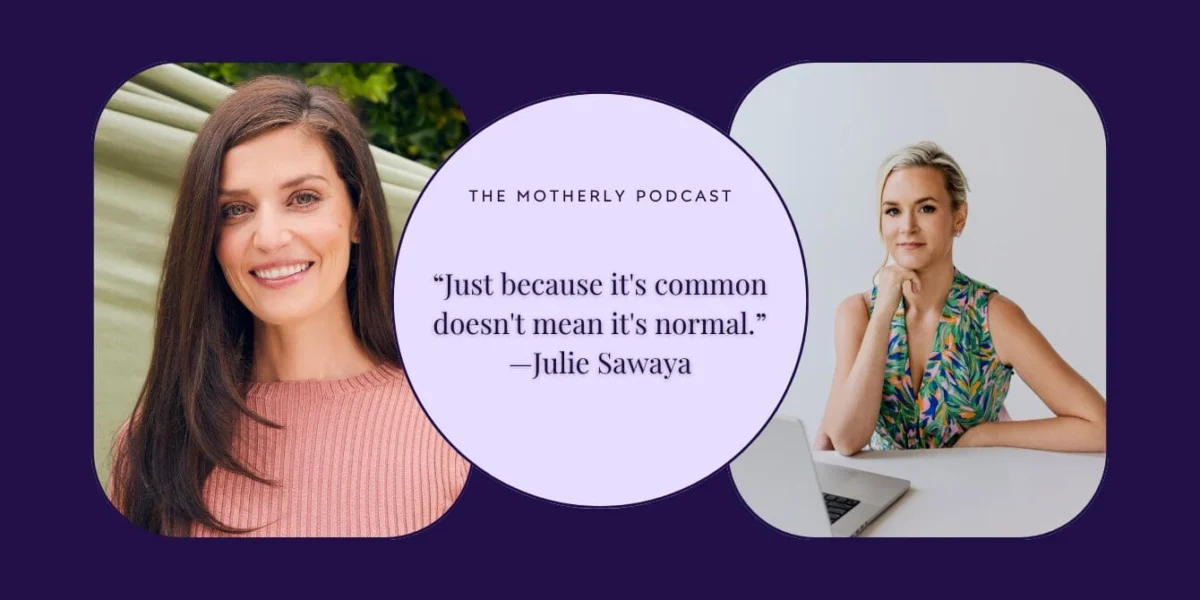
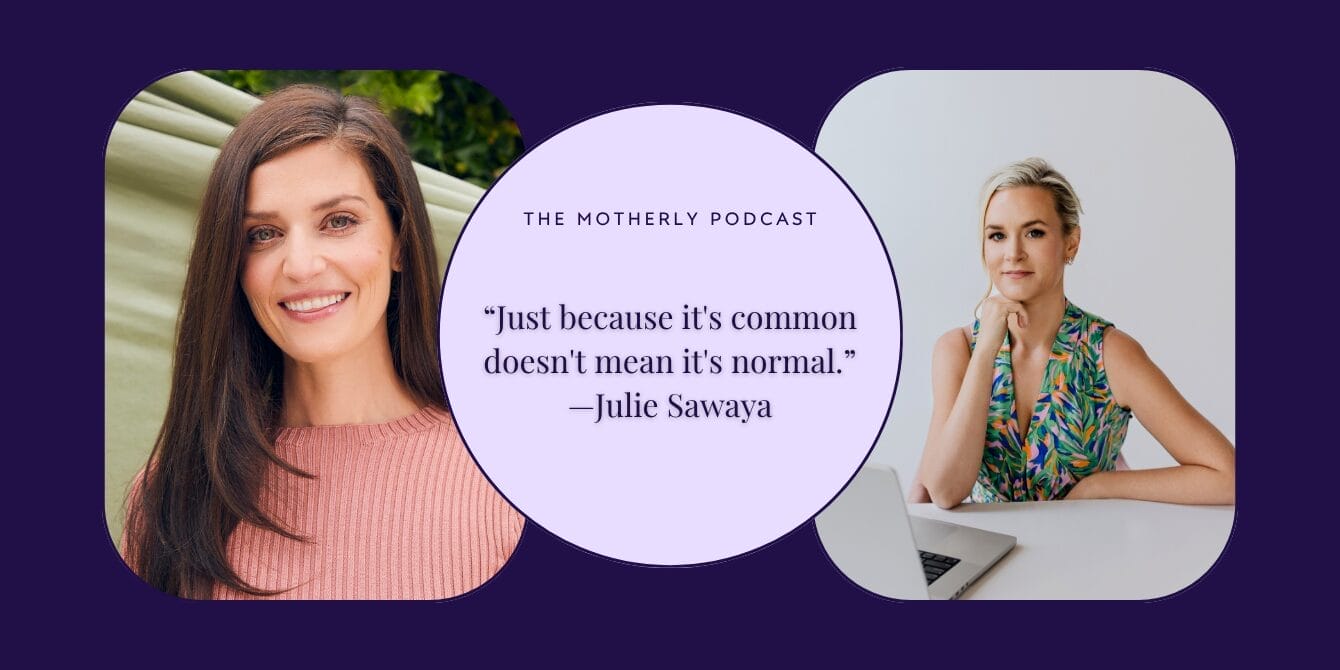
Julie Sawaya firmly believes that the widespread nutritional depletion among mothers is not merely a biological issue but a societal one. "Just because it’s common doesn’t mean it’s normal," she asserts, challenging the cultural narrative that normalizes exhaustion, self-sacrifice, and a constant state of feeling "not great" for mothers. Societal pressures for women to "bounce back" immediately after childbirth, often compounded by the lack of paid parental leave in the United States (where many are expected to return to work just two weeks postpartum), create an environment where sustained well-being is an elusive luxury.

This expectation places an immense burden on mothers, demanding they juggle professional responsibilities, family care, and their own recovery without adequate support or recognition of their profound physiological and psychological needs. Sawaya emphasizes that while products like Needed are crucial, they are "insufficient on their own." A fundamental cultural shift is required—one that makes women aware of the insidious signs of depletion, validates their experiences, and empowers them to seek better support. Needed’s ultimate vision is a future where such comprehensive nutritional products might not be "needed" because society has evolved to intrinsically support mothers’ well-being. The goal is to ensure that women, nourished and thriving, can fully engage in all aspects of their lives—at home, at work, and within their communities—without being hampered by chronic deficiency.

Entrepreneurship and Motherhood: Sawaya’s Dual Journey
Julie Sawaya’s journey as an entrepreneur is intimately intertwined with her experience of motherhood. She built Needed while navigating four pregnancies and raising three children. This dual path presented immense challenges, yet also brought unexpected joys and profound lessons. Her first daughter, a "COVID baby," was born in 2020. Sawaya, having grown up in a medical family, initially planned a hospital birth. However, shifting hospital policies during the pandemic led her to embrace an unexpected but "smooth, beautiful home birth experience" with a midwife, supported by an amazing backup OB. This experience further solidified her belief in the benefits of integrated midwifery care, a standard in countries with significantly improved birth outcomes compared to the U.S.

Her journey also included a personal loss, a missed miscarriage at 11 weeks between her first and second daughters. This deeply personal experience, followed by subsequent pregnancies, offered a raw understanding of the vulnerabilities and resilience inherent in the maternal journey. Balancing the relentless demands of founding and scaling a company with the equally intense responsibilities of motherhood requires conscious effort to combat personal depletion. Sawaya maintains her own well-being by keeping her Needed vitamins "literally on my desk" as a constant reminder, acknowledging that even with her expertise, habit formation is difficult. Her children, she notes, have even started reminding her. Beyond nutrition, she prioritizes daily outdoor activity or movement, limits late-night "doom-scrolling," and fiercely protects her weekend time with her children. She candidly shares that being a founder and a working mother is "hard," but also acknowledges the equally challenging path of mothers whose primary role is at home. The mission of Needed itself, she says, is inherently "anti-depletion" for her, fueling her purpose.

A Vision for the Future: Elevating Mothers in Society
When asked about a single change she would implement with a magic wand to better support mothers in the U.S., Julie Sawaya’s answer transcends policy or product: it is about a fundamental shift in societal values. She advocates for "centering the importance of mothers in our society and heroing women for the role they play every single day." For Sawaya, "literally every day should be Mother’s Day." In an era of declining birth rates, she believes it is imperative for society to fundamentally re-evaluate its priorities, placing mothers and children at the forefront.

Sawaya also reflects on how motherhood has unexpectedly brought out new "superpowers" within her. She initially feared that becoming a mother would negatively impact her ability to work. Instead, she found it to be the opposite: it cultivated greater efficiency, clarity in priorities, and improved communication skills. This ability to "show up and make people feel seen and supported in a group setting," whether her own children or her growing team at Needed, is a skill honed by the demands of parenting multiple individuals simultaneously. Her advice to her younger self, and perhaps to all women grappling with the decision to have children, would be "to not be afraid of it, to embrace it." Motherhood, far from shrinking her world, has expanded her capabilities and sharpened her focus.

Implications and The Path Forward
The work of Julie Sawaya and Needed represents more than just a business venture; it signifies a burgeoning movement towards a more informed, supportive, and holistic approach to maternal health. By highlighting the critical disparity between current prenatal care and the actual needs of pregnant and postpartum women, Sawaya is not only disrupting the supplement industry but also sparking a broader conversation about women’s health policy, medical education reform, and societal values.

The implications of this shift are far-reaching. Optimal perinatal nutrition could lead to healthier mothers and babies, reducing the incidence of pregnancy complications and improving long-term health outcomes for both. This, in turn, could alleviate significant burdens on healthcare systems and contribute to a more robust, thriving society. The growing endorsement from thousands of health practitioners suggests a readiness within the medical community for this change, provided evidence-based solutions are available.

Ultimately, Sawaya’s mission is to empower women by providing them with the fundamental building blocks for health and vitality. By challenging the normalization of depletion and advocating for a society that truly values and supports mothers, Needed is laying the groundwork for a future where women can embark on their motherhood journey feeling strong, nourished, and truly seen. The path forward involves continued education, advocacy for updated medical standards, and a collective commitment to investing in the well-being of mothers as the cornerstone of societal health.

0 Comments