
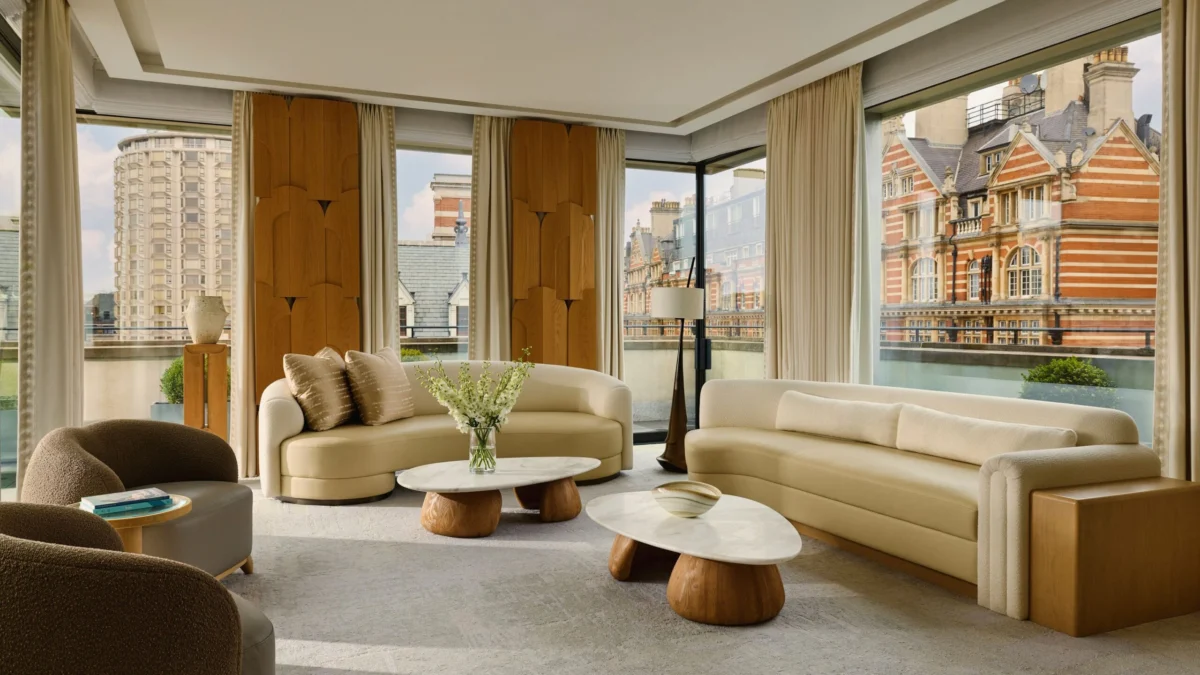
Determining the premier accommodation in the United Kingdom’s capital is a task of significant complexity, comparable to navigating the nuances of quantum mechanics or defining the quintessential meaning of life. The challenge lies in the sheer volume and diversity of the market; as of 2026 projections, London is home to over 3,000 hotels, ranging from historic "grand dames" to cutting-edge boutique addresses. This vast inventory caters to a global influx of travelers, making the selection process inherently subjective and subject to the constant evolution of the city’s urban landscape. For those seeking the pinnacle of hospitality, the choice is no longer just about a place to sleep, but about an immersive experience that reflects the heritage, culture, and modern sophistication of London.
The Evolution of the London Luxury Hotel Market
The trajectory of London’s hospitality sector has been marked by a blend of preservation and radical innovation. Historically, the city’s luxury market was dominated by a handful of legendary institutions that set the global standard for service and elegance. However, the last decade has seen a dramatic expansion. The upcoming year marks a significant milestone with the highly anticipated openings of the Waldorf Astoria London Admiralty Arch and the Auberge Collection’s Cambridge House. These developments signify a trend where historic landmarks are being meticulously repurposed into ultra-luxury accommodations, allowing guests to reside within the literal fabric of British history.
Admiralty Arch, commissioned by King Edward VII, is perhaps the most notable example of this trend. Its transition into a Waldorf Astoria property involves a sensitive restoration of one of the city’s most iconic gateways, bridging the gap between The Mall and Trafalgar Square. Similarly, the Auberge Collection’s entry into the London market with Cambridge House in Mayfair highlights the continued desirability of the W1 postcode, long considered the epicenter of British high society.
Strategic Neighborhood Selection: Where to Stay in the Capital
The decision of where to reside in London is often dictated by the primary purpose of the visit, as each neighborhood offers a distinct atmosphere and proximity to specific landmarks. For travelers prioritizing central access to the city’s historic and commercial hubs—including Buckingham Palace, Piccadilly Circus, and New Bond Street—the Mayfair district remains the unrivaled choice.
Within this prestigious enclave, the Maybourne Hotel Group properties, most notably Claridge’s, represent the gold standard. Claridge’s is frequently cited by industry experts as one of the world’s most prestigious hotels, serving as a bastion of Art Deco glamour and impeccable service. Its location provides immediate access to the city’s most exclusive boutiques and Michelin-starred restaurants, making it a perennial favorite for diplomats, celebrities, and discerning tourists.
Conversely, for those whose interests lean toward cultural institutions and high-end retail, the Knightsbridge and South Kensington areas are more suitable. The Mandarin Oriental Hyde Park stands as a prime example of excellence in this region. Located within walking distance of Harrods and the Victoria and Albert Museum, the property offers a blend of Edwardian heritage and contemporary luxury, with the added benefit of overlooking the expansive greenery of Hyde Park.
A Chronology of Hospitality Excellence
The development of London’s hotel industry can be viewed through a timeline of architectural and service-oriented milestones:
- Late 19th Century: The rise of the "Grand Dames," including The Savoy (opened in 1889) and Claridge’s, which introduced modern luxuries such as electric lights and en-suite bathrooms to the London market.
- The Mid-20th Century: A period of consolidation where traditional service standards were codified, and London became a global hub for international diplomacy and high-society gatherings.
- The Early 2000s: The "Boutique Revolution," where smaller, design-led hotels began to challenge the dominance of larger institutions by offering personalized, intimate experiences.
- 2020–2024: A period of monumental redevelopment, seeing the transformation of the Old War Office (OWO) into Raffles London and the opening of The Peninsula London, representing billions of pounds in foreign investment.
- 2025–2026: The current phase of expansion, focusing on the conversion of historic government and aristocratic buildings into multi-use luxury spaces, as seen with the Admiralty Arch project.
The Cultural Significance of Afternoon Tea and Seasonal Traditions
In London, luxury hotels serve as more than just lodging; they are vital cultural hubs where traditional British rituals are preserved and celebrated. The "Afternoon Tea" remains a cornerstone of the London hotel experience and a significant revenue driver for the industry. While many establishments offer this service, editors and critics frequently highlight The Savoy, The Peninsula, and Corinthia London for their ability to balance traditional recipes with contemporary culinary innovation. These venues provide a "five-star experience" accessible to non-residents, acting as a gateway to the city’s elite lifestyle.
The festive season further amplifies the importance of these institutions. During December, hotels like The Ritz London become central to the city’s holiday identity, known for elaborate decorations and traditional gala dinners that are booked months in advance. For families, Raffles London at the OWO has emerged as a leader in festive hospitality, offering sprawling suites that provide a "home away from home" atmosphere, specifically designed to accommodate multi-generational travel during the holidays.
Family-Oriented Luxury: A New Standard of Service
A notable shift in the modern London hotel market is the increasing emphasis on family-friendly luxury. Traditionally, high-end hotels were viewed as formal environments potentially ill-suited for children. However, properties like The Dorchester and the Rosewood London have redefined this perception through highly personalized services.
At The Dorchester, the introduction of "babycchinos" accompanied by personalized, chocolate-sprinkled notes exemplifies a move toward inclusive hospitality. Similarly, the Rosewood London provides young guests with pillows embroidered with their own initials, a level of detail that fosters brand loyalty from a young age. These initiatives reflect a broader industry trend where "bespoke service" is no longer reserved for adult patrons but is extended to the entire family unit.
Methodology and Criteria for Excellence
The selection of the "best" hotels is not an arbitrary process but is based on a rigorous set of criteria employed by professional journalists and industry analysts. When evaluating a property, experts consider several key pillars:
- Authenticity: Does the hotel offer a genuine reflection of its location and heritage?
- Design: Is the architectural and interior design both functional and aesthetically significant?
- Service: Does the staff provide proactive, intuitive service that exceeds standard expectations?
- Sustainability: In an era of climate consciousness, what are the property’s credentials regarding energy efficiency, waste reduction, and ethical sourcing?
- Location: Does the hotel provide strategic or unique access to the city’s attractions?
This analytical framework ensures that the properties listed represent the pinnacle of the industry, balancing the weight of history with the requirements of the modern traveler.
Broader Economic Impact and Future Implications
The luxury hotel sector is a vital component of London’s economy. The continued investment in high-end properties, even during periods of global economic uncertainty, underscores the city’s status as a premier destination for international capital. The conversion of historic buildings into hotels not only preserves the city’s architectural heritage but also creates thousands of jobs in the hospitality, construction, and service sectors.
Furthermore, the competition among the "3,000-plus" hotels drives a cycle of constant improvement. As new players like the Auberge Collection enter the market, established "Grand Dames" are prompted to undergo extensive renovations to maintain their competitive edge. This dynamic results in a constantly rising bar for quality, benefiting the consumer and solidifying London’s reputation as the hospitality capital of the world.
Looking ahead to the remainder of the decade, the focus is expected to remain on "experiential luxury." Travelers are increasingly seeking properties that offer more than just a room; they want exclusive access to cultural events, personalized wellness programs, and a deep connection to the local community. As London continues to grow and evolve, its hotels will undoubtedly remain at the forefront of this global shift, blending the timeless elegance of the past with the innovative spirit of the future.

0 Comments