
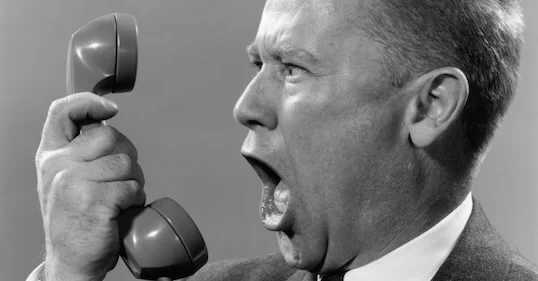
Interpersonal conflict is a standard component of social and professional life, yet a specific subset of the population presents challenges that defy traditional resolution methods. Research conducted by the High Conflict Institute, led by attorney and therapist Bill Eddy, suggests that approximately 10% of the population can be classified as "High-Conflict People" (HCPs). These individuals possess a specific, predictable pattern of behavior that consumes organizational resources, destabilizes community groups, and causes significant psychological distress to those identified as their "targets of blame." While traditional conflict resolution focuses on active listening and compromise, experts warn that these methods often backfire when applied to HCPs, necessitating a specialized set of management tactics.
The Anatomy of High-Conflict Behavior: A Clinical and Behavioral Overview
The distinction between a difficult person and a high-conflict person lies in the persistence and intensity of their behavioral patterns. According to the framework established by Bill Eddy in his research, including his publication 5 Types of People Who Can Ruin Your Life, HCPs are characterized by four primary traits: a preoccupation with blaming others, all-or-nothing thinking, unmanaged emotions, and extreme behaviors.
Data suggests that while HCPs represent a minority of the population, they are responsible for a disproportionate amount of litigation, workplace grievances, and social volatility. The psychological underpinning of this behavior often overlaps with Cluster B personality disorders—specifically narcissistic, borderline, antisocial, and histrionic disorders—as defined by the Diagnostic and Statistical Manual of Mental Disorders (DSM-5). However, experts clarify that not all individuals with personality disorders are HCPs, and not all HCPs meet the clinical criteria for a personality disorder. The defining factor is the externalization of internal conflict onto a specific target.
Neurologically, HCPs often operate from the amygdala—the "reactive brain"—rather than the prefrontal cortex, which governs logic and consequence. During a disagreement, an HCP may experience a physiological response akin to a life-threatening emergency. This "amygdala hijack" renders logical appeals and rational compromises ineffective, as the part of the brain required for such processing is effectively offline.
Chronology of an Escalation: A Case Study in Social Volatility
To understand the progression of high-conflict dynamics, analysts often point to a standard chronological arc of escalation within volunteer organizations or workplaces. This pattern typically follows a four-stage process.
Phase 1: The Integration Period
The individual joins a group—such as a church committee or a corporate project team—and is often perceived as highly engaged, charming, or impressive. During this phase, the HCP is assessing the environment for potential allies and "targets of blame."
Phase 2: The Trigger Event
A routine administrative or social event occurs, such as a budget vote or a minor scheduling change. While the outcome may even align with the HCP’s stated preferences, they perceive a slight or a "shadow agenda." This triggers a defensive reaction that is wildly out of proportion to the event.
Phase 3: Public Escalation and Splintering
When the target of blame attempts to resolve the issue using standard "reasonable" tactics—such as a calm, clarifying email—the HCP interprets the calmness as condescension. The conflict is then moved from a private sphere to a public one. The HCP may initiate group chats, social media broadsides, or formal complaints, often recruiting "negative advocates" to join their cause.
Phase 4: Institutional Attrition
The target of blame experiences physical and psychological symptoms, including chronic stress and burnout. The organization’s productivity stalls as leadership becomes preoccupied with managing the HCP’s grievances. In many cases, the target of blame eventually resigns to escape the hostility, leaving the HCP to find a new target.
Identification Strategies: The WEB Method
Effective management of HCPs begins with early identification. The High Conflict Institute recommends the "WEB Method," a screening tool designed to detect high-conflict patterns before a formal entanglement occurs.
- Words: Observers are encouraged to listen for all-or-nothing language. HCPs frequently use words like "always," "never," and "totally." A key indicator is a personal history where the individual is the perpetual victim of "crazy" ex-partners or "idiot" bosses.
- Emotions: This involves monitoring one’s own internal reaction to the individual. Feeling the need to "walk on eggshells" or experiencing an immediate, intense sense of being "love-bombed" can both be indicators of an underlying high-conflict dynamic.
- Behavior: The "90% Test" is a primary diagnostic tool. Analysts ask whether the individual has engaged in a behavior that 90% of the population would never do, regardless of how angry they were. Examples include keying a vehicle, filing a frivolous lawsuit, or engaging in a multi-hour text barrage over a minor disagreement.
Tactical Mitigation: The CARS and BIFF Frameworks
When avoidance is not an option—such as in cases involving coworkers, family members, or neighbors—specialized communication frameworks are required to maintain stability.
The CARS Method
The CARS method (Connect, Analyze, Respond, Set Limits) is designed to de-escalate the HCP’s reactive brain.
- Connect with EAR Statements: De-escalation begins with statements of Empathy, Attention, and Respect. By saying, "I can see how frustrating this is, and I respect the work you’ve put into this," the responder attempts to soothe the HCP’s amygdala. This is not an agreement with the HCP’s claims but a tactical move to lower the emotional temperature.
- Analyze Options: Once the HCP is calmer, the conversation must be shifted toward the future. Asking, "What do you think the options are for moving forward?" forces the HCP to engage their prefrontal cortex.
- Respond with BIFF: Communication, particularly written communication, should follow the BIFF model: Brief, Informative, Friendly, and Firm.
- Set Limits: Because HCPs often lack internal boundaries, external limits must be imposed. This is most effective when tied to institutional policies rather than personal preferences, as it allows the HCP to blame the "policy" rather than the individual.
The BIFF Response in Practice
A standard BIFF response to a multi-page accusatory email consists of a few concise sentences. For example: "Thank you for your email. To clarify, the files were uploaded on Tuesday as requested. They are available in the shared folder. Best, [Name]." By refusing to address the accusations or defend one’s character, the responder denies the HCP the "fuel" needed to continue the cycle of conflict.
Institutional and Legal Implications
The presence of HCPs in the workplace and legal system has measurable economic impacts. According to data from the Society for Human Resource Management (SHRM), workplace conflict costs U.S. employers billions of dollars annually in lost productivity and turnover. High-conflict litigation can also extend court cases for years, as the HCP may prioritize the "punishment" of their opponent over their own financial or legal self-interest.
Legal experts, including those who follow Bill Eddy’s methodologies, increasingly advocate for "New Ways for Families" and other specialized mediation programs. these programs recognize that traditional adversarial legal processes often exacerbate high-conflict personalities, leading to "high-conflict divorces" that can traumatize children and bankrupt both parties.
In corporate settings, HR departments are being trained to recognize the "Target of Blame" dynamic. Often, the person being complained about by an HCP is actually a high-performing employee who has simply attempted to hold the HCP accountable. Without proper training, HR departments may mistakenly penalize the target, thereby emboldening the HCP and damaging the organization’s culture.
Broader Societal Impact and Future Outlook
The rise of digital communication has acted as a catalyst for high-conflict behavior. Social media platforms and messaging apps provide HCPs with the tools to instantly mobilize "shame campaigns" and recruit allies. This has led to a fragmentation of community groups, where a single individual can cause a "mass exodus" of volunteers or members through persistent digital harassment.
The long-term solution, according to behavioral analysts, involves a two-pronged approach: widespread education on the traits of high-conflict personalities and the implementation of firm institutional boundaries. By recognizing that 10% of the population will not respond to "reasonable" conflict resolution, organizations can protect the other 90% from the psychological and systemic toll of high-conflict interactions.
As society becomes more aware of these patterns, the focus is shifting from "fixing" the HCP—an effort experts say is largely futile due to the HCP’s lack of self-insight—to "managing" the interaction. The goal is to maintain a professional distance, enforce clear consequences for extreme behavior, and ensure that the "thinking brain" remains the primary driver of organizational and social governance. Through the application of field-tested methods like CARS and BIFF, individuals and institutions can mitigate the damage caused by high-conflict personalities and preserve the integrity of their environments.

0 Comments