
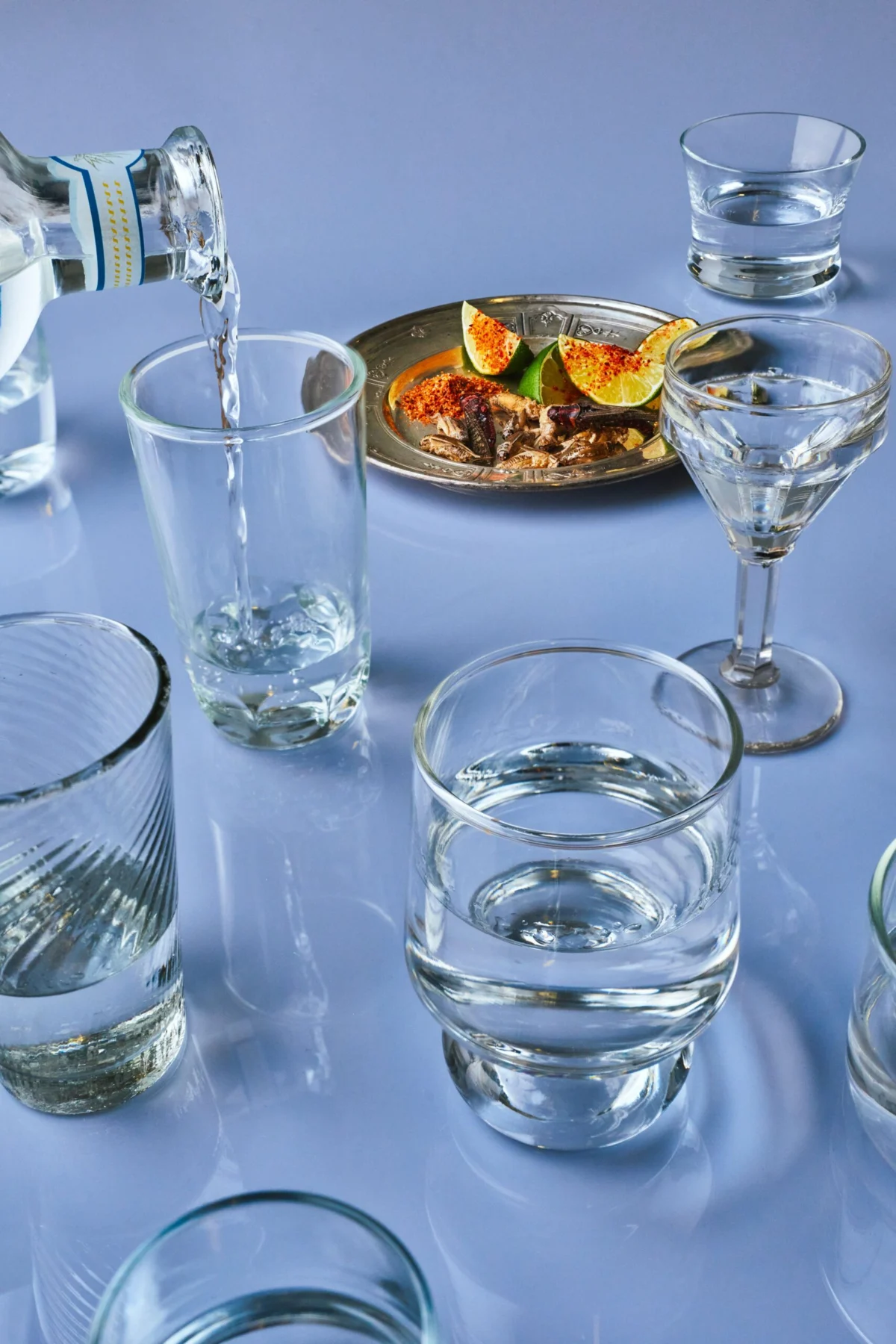
The journey to discovering the finest mezcal begins with a foundational understanding of this complex spirit. Contrary to popular misconceptions, while all tequila is indeed a type of mezcal, the reverse is not true. Mezcal, in its broadest definition, is a spirit derived from the agave plant. Tequila, a subcategory, is exclusively produced from the blue agave variety. Mezcal, however, exhibits a far greater diversity, with distillers utilizing a wide array of agave species, though the espadín variety remains the most prevalent. This botanical richness contributes significantly to the nuanced flavor profiles that distinguish various mezcals.
The origins of agave fermentation are deeply embedded in Mesoamerican culture, stretching back centuries. The specific distillation techniques that define modern mezcal, however, were largely shaped during Mexico’s colonial era, influenced by the introduction of Filipino-style stills. This historical context is crucial for appreciating the evolution of mezcal production. Today, mezcal is typically categorized based on several key distinctions. The type of agave used is a primary differentiator, with espadín being the most common, followed by varieties like tobalá and cuishe, each imparting unique characteristics. When multiple agave types are blended, the resulting spirit is labeled as "ensamble." Similar to tequila, mezcals can also be classified by their aging process, with "reposado" and "añejo" denoting periods of maturation, or by their production methods, designated as "ancestral" or "artisanal," which speak to the traditional, often labor-intensive techniques employed.
In recent years, mezcal has experienced a meteoric rise in popularity, becoming a prominent fixture on liquor store shelves and in cocktail menus worldwide. Mexico’s export figures underscore this trend, with nearly 8 million liters of mezcal being shipped internationally each year. This surge in demand, however, has also led to a proliferation of brands, making it increasingly challenging for consumers to discern quality from marketing. To address this, a comprehensive, blind taste test was conducted, evaluating nine popular, nationally distributed mezcals to identify those that consistently deliver on flavor and quality.
Methodology: Selecting for Accessibility and Consistency
While the world of mezcal is rich with small-batch, artisanal producers, these often possess limited distribution, making them inaccessible to the average consumer and unavailable at many bars. Consequently, the selection criteria for this taste test focused on large, well-established brands that are readily found in most liquor stores and are commonly featured in bar offerings. This approach ensured that the results would be relevant and actionable for a broad audience.
To facilitate a fair and meaningful comparison, the taste test narrowed its scope to specific categories of mezcal. The evaluation concentrated exclusively on joven mezcals made from espadín agave. Joven refers to unaged mezcal, allowing the inherent characteristics of the agave and the distillation process to be directly assessed. The espadín variety was chosen due to its widespread cultivation and its role as the backbone of many commercially available mezcals, thereby ensuring a degree of comparability across the tested products. This focused approach allowed for a more precise "like-for-like" evaluation, minimizing variables that could skew the results.
Evaluation Criteria: Defining Excellence in Mezcal
The assessment of each mezcal was guided by a set of established parameters designed to capture the essence of a well-crafted spirit. While mezcal is known for its diverse flavor profiles, a hallmark characteristic is its inherent smokiness, a direct result of the traditional production process involving roasting the agave hearts (piñas) in underground pits. For this tasting, tasters sought a smokiness that was direct and pure, avoiding any artificial or harsh qualities. This ideal smokiness was expected to be harmoniously balanced by the vegetal, grassy notes characteristic of the agave plant.
Beyond these primary elements, the tasting panel looked for a complexity of secondary aromas and flavors that could emerge from the agave base. These might include citrusy, floral, herbal, or earthy undertones, adding depth and intrigue to the spirit. Crucially, the mezcals were evaluated for their mouthfeel and finish. Astringency and a lingering hot, burning sensation in the mouth and throat were considered undesirable qualities, indicating potential imbalances or flaws in the distillation or aging process.
The tasting procedure involved pouring each mezcal into unmarked glasses, ensuring a blind evaluation free from brand bias. Tasters utilized tulip-shaped Glencairn glasses, a vessel specifically designed to concentrate and enhance the aromas, allowing for a more nuanced appreciation of the spirit’s bouquet. Following an olfactory assessment, each taster took a few sips to carefully note and record the flavor profile of each mezcal. This systematic approach ensured that each spirit was evaluated with meticulous attention to detail, from its initial aroma to its lingering finish.
The Pinnacle of Sipping Mezcal: Del Maguey Vida Clásico Mezcal
Del Maguey Vida Clásico Mezcal emerged as the standout performer in the sipping category, a testament to its broad appeal and the early role it played in introducing mezcal to a wider American audience. The tasting panel lauded its pronounced herbal and grassy agave-forward flavor, identifying it as a spirit that offers a compelling and approachable introduction to the complexities of mezcal.
Why it captured our palates: The unanimous sentiment among tasters was that Del Maguey’s joven mezcal presented a delicate yet distinct smokiness that artfully complemented, rather than overwhelmed, its other intricate notes. This balanced approach allowed the spirit’s multifaceted character to shine. The tasting notes consistently highlighted the vibrant grassy agave, interwoven with evocative piney, forest-like undertones and subtle hints of aromatic cinnamon. This harmonious interplay of aromatics, smoke, and nuanced flavors earned Del Maguey Vida Clásico the designation of the premier mezcal for sipping, offering a sophisticated and rewarding experience for the discerning palate.
Ideal pairings and applications: For those seeking to savor its complexities, Del Maguey Vida Clásico is best enjoyed neat in a lowball glass, perhaps with a large, clear ice cube to gently chill and reveal further subtleties. Its elegant profile also lends itself beautifully to simple, spirit-forward cocktails. A "ranch water," a minimalist highball, allows the mezcal’s inherent character to remain the focal point, unadulterated by a complex mix of ingredients. This thoughtful recommendation underscores the mezcal’s versatility, suggesting that while it excels on its own, it can also elevate simple, well-executed cocktails.
The Champion for Cocktails: Ilegal Mezcal
Ilegal Mezcal distinguished itself as the ideal choice for cocktail creation, impressing the tasting panel with its light smokiness and balanced flavor profile that readily integrates with other ingredients. This versatility makes it a valuable asset for bartenders and home mixologists alike.
Why it impressed the panel: Ilegal Mezcal presented a round, pleasing body and a gentle smokiness that set it apart from many of its competitors. Unlike some mezcals that delivered an overpowering blast of smoke or harsh, acrid notes, Ilegal’s subtle campfire aroma was elegantly tempered by a spectrum of other complementary elements. Tasting notes varied, with some panelists detecting hints of hay, while others identified subtle leather or a delicate floral sweetness. These nuanced flavors, while discernible when sipped neat, were perceived by the panel as having the potential to be beautifully amplified and showcased when incorporated into a well-crafted cocktail, proving its adaptability in mixed drinks.
Recommended cocktail applications: Ilegal Mezcal is exceptionally well-suited for bright, refreshing cocktails. Its balanced character makes it a superb base for a classic Paloma, where its smoky notes can play harmoniously with grapefruit soda and lime. It also shines in more herbaceous concoctions, such as a Rosemary Mezcal Fizz, where its subtle complexities can be further enhanced by complementary botanicals and effervescence. This recommendation highlights Ilegal’s capacity to both anchor and enhance a wide range of cocktail profiles.
Further Exploration: Additional Mezcal Offerings
Beyond the top two selections, the tasting panel evaluated several other nationally distributed mezcals. While these did not reach the same heights as Del Maguey Vida Clásico or Ilegal Mezcal in their respective categories, they represent viable options for consumers seeking to explore the broader mezcal market. The tasting notes and evaluations for these additional brands, though not detailed here, contribute to a comprehensive overview of the current landscape of popular mezcals. This approach acknowledges that consumer preferences are diverse and that a range of options, even those not awarded top honors, can still offer enjoyable experiences. The inclusion of this broader context ensures that the article serves as a more complete resource for those interested in mezcal.
The growing appreciation for mezcal reflects a broader trend towards artisanal spirits and a renewed interest in the cultural heritage and production methods behind alcoholic beverages. As the market continues to evolve, ongoing research and taste tests will be crucial for guiding consumers through this dynamic and increasingly sophisticated spirit category. The insights gained from this focused evaluation provide a valuable starting point for anyone looking to embark on their own mezcal journey, whether for quiet contemplation or vibrant celebration.

0 Comments