
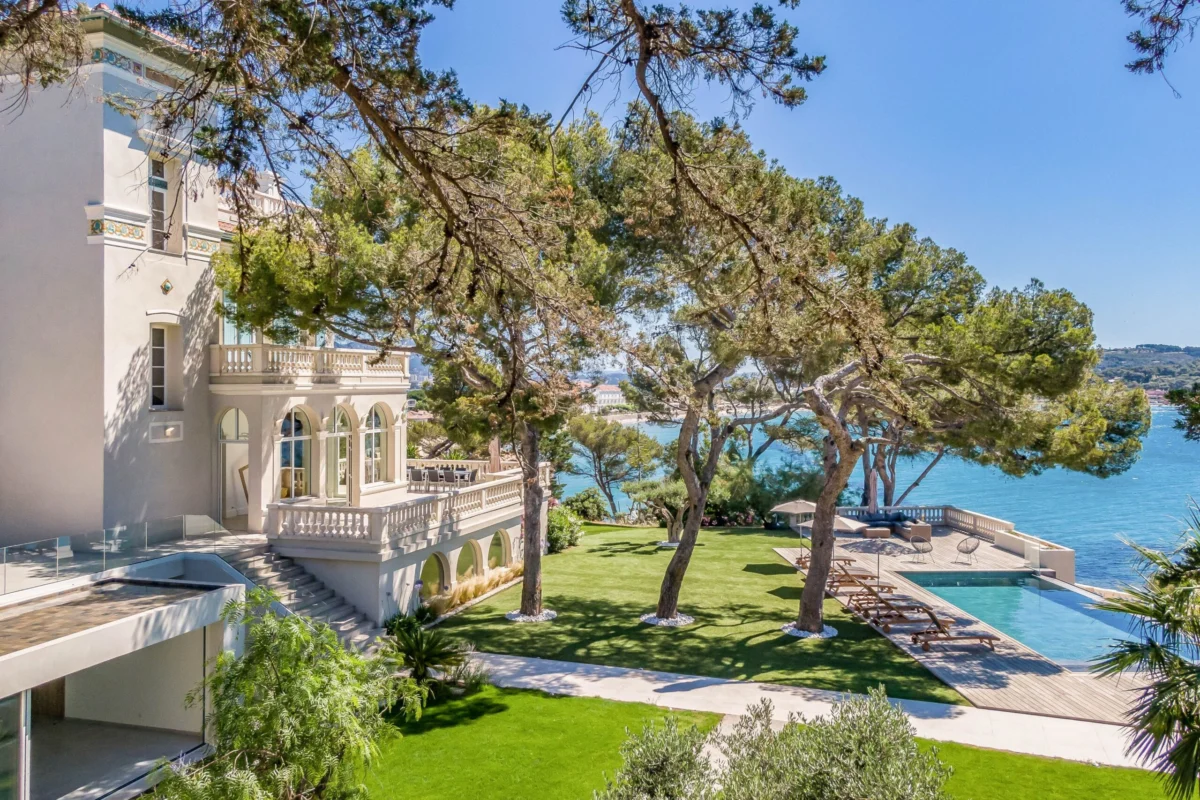
The hospitality landscape of the Provence-Alpes-Côte d’Azur region has undergone a significant transformation in recent years, shifting from a traditional reliance on grand hotels to a burgeoning demand for high-end, private villa rentals. While the South of France has long been synonymous with legendary five-star establishments such as the Shangri-La Paris or the newly redefined Maybourne Riviera in Roquebrune-Cap-Martin, a growing segment of affluent travelers is now prioritizing the "live like a local" philosophy. This trend toward private homestays is driven by a desire for seclusion, bespoke amenities, and a deeper immersion into the cultural fabric of charming provincial towns and coastal enclaves. As the travel industry adapts to post-pandemic preferences, the luxury rental market in the South of France has emerged as a cornerstone of the regional economy, offering everything from historic bastides nestled in lavender fields to ultra-modern waterfront estates on the French Riviera.
The Evolution of Luxury Hospitality in the PACA Region
The Provence-Alpes-Côte d’Azur (PACA) region, which encompasses the sun-drenched coastlines of the Mediterranean and the rugged interior of the Luberon and Verdon, has historically served as the world’s premier destination for luxury travel. For over a century, the hospitality model was dominated by "Palace" status hotels that catered to European royalty and Hollywood elites. However, the contemporary market is witnessing a diversification of accommodation types.
The shift toward villa rentals is not merely a matter of space but a response to the "experience economy." Travelers are increasingly seeking properties that offer the same level of service as a five-star hotel—including private chefs, concierge services, and daily housekeeping—while providing the intimacy of a private home. This shift is particularly evident in locations like La Seyne-sur-Mer and the various hilltop villages of Provence, where the architecture of the rentals often reflects the local heritage, utilizing dry-stone walls, terracotta tiling, and expansive gardens that integrate seamlessly with the natural landscape.

Market Data and Economic Impact of High-End Tourism
France remains the most visited country in the world, and the PACA region is its second most popular destination after the Île-de-France (Paris) region. According to data from the French National Institute of Statistics and Economic Studies (INSEE), the region records over 30 million visitors annually, contributing approximately 18 billion euros to the local economy. Within this sector, the luxury rental market has shown the highest rate of growth.
The "villa economy" is characterized by high average daily rates (ADR) and longer stay durations compared to traditional hotels. While a hotel stay in Cannes or Saint-Tropez might average three to four nights, luxury villa rentals often command stays of seven to fourteen nights, particularly during the peak summer months of July and August. This extended stay model benefits local businesses, from artisanal bakeries to private yacht charters, creating a ripple effect of economic activity that sustains the region outside of the primary tourist hubs. Furthermore, the rise of platforms like Airbnb and specialized luxury management firms has professionalized the sector, ensuring that properties are vetted for "Superhost" and "Guest Favorite" status, which emphasizes design, location, and historical reliability.
A Chronology of Travel Trends in Southern France
The trajectory of tourism in the South of France can be categorized into four distinct eras:
- The Belle Époque and the British Influence (1850s–1914): The region first gained international prominence as a winter retreat for the British aristocracy. Lord Brougham’s "discovery" of Cannes led to the construction of grand villas and the establishment of the Riviera as a health and leisure destination.
- The Cinematic Golden Age (1940s–1970s): Following the inauguration of the Cannes Film Festival in 1946, the region became the global epicenter of glamour. This era saw the rise of iconic hotels and the first wave of celebrities, such as Brigitte Bardot, purchasing private estates in Saint-Tropez, setting the precedent for private villa ownership as a status symbol.
- The Mass-Market Expansion (1980s–2010s): The development of high-speed rail (TGV) and low-cost airlines made the South of France accessible to a broader European demographic. During this time, the rental market was largely informal, consisting of secondary homes leased out during the summer.
- The Curation Era (2020–Present): In the wake of global travel restrictions, there was a surge in demand for "bubble travel," where families could vacation in isolation. This led to a permanent shift in consumer behavior, with a heightened focus on professionally managed villas that offer curated experiences, high-speed connectivity for remote work, and wellness-oriented amenities.
Regional Spotlights: Provence vs. The French Riviera
The South of France offers two distinct "flavors" of luxury, each catering to different traveler profiles.

The Provincial Heartlands
In Provence, the draw is "slow travel." Rentals here often consist of restored 18th-century farmhouses (mas) or manor houses (bastides). The appeal lies in the sensory experience: the fragrance of lavender fields in the Plateau de Valensole, the vibrant markets of Saint-Rémy-de-Provence, and the artistic heritage of Aix-en-Provence. Luxury rentals in this area prioritize outdoor living, featuring expansive terraces, olive groves, and petanque courts. The market here is increasingly driven by "agritourism," where guests seek villas that offer organic kitchen gardens or proximity to prestigious vineyards in the Côtes de Provence AOC.
The Coastal Glamour of the Riviera
Conversely, the French Riviera (Côte d’Azur) remains the bastion of high-octane luxury. From the rocky cliffs of Roquebrune-Cap-Martin to the sandy shores of Ramatuelle, the villas here are architectural marvels. Many are modernist structures with floor-to-ceiling glass to maximize Mediterranean views, infinity pools, and private beach access. The rental market in the Riviera is closely tied to major events such as the Monaco Grand Prix and the Cannes Film Festival, where villa prices can escalate to hundreds of thousands of euros per week.
Industry Responses and Regulatory Implications
The rapid growth of the villa rental market has prompted responses from both the traditional hotel industry and local government bodies. To compete with the allure of private homes, many top-tier hotels are expanding their "branded residences" and private wing offerings. For instance, the Maybourne Riviera has focused on integrating its modernist architecture with the surrounding landscape to offer a sense of place that rivals a private estate.
On the regulatory front, the French government and local communes have introduced stricter measures to manage the impact of short-term rentals on local housing markets. Cities like Nice and Marseille have implemented registration requirements and limits on the number of days a primary residence can be rented. However, the "ultra-luxury" segment—villas specifically built or renovated for the high-end rental market—remains a vital and protected part of the tourism strategy, as these properties rarely compete with affordable housing stock and instead drive significant international investment.

Expert Perspectives on the Future of Travel
Travel experts and art writers, such as Lanie Goodman, who has been based in the South of France since 1988, note that the definition of a "luxury stay" is evolving. It is no longer just about the gold-leaf opulence of the past; it is about "Romantic French Homes" that tell a story. This sentiment is echoed by commerce writers like Lauren Burvill, who emphasizes that the vetting process for modern rentals now includes a rigorous assessment of decor and local authenticity.
The future of travel in the South of France is expected to be defined by two major factors: sustainability and technology. There is a growing demand for "eco-luxury" villas that utilize solar energy, saltwater pools, and sustainable building materials. Simultaneously, the integration of smart home technology and high-speed satellite internet is making these remote villas viable for long-term "workations," further blurring the line between a vacation home and a primary residence.
Broader Implications for Global Tourism
The success of the South of France’s villa rental model provides a blueprint for other luxury destinations worldwide. It demonstrates that while hotels will always have a place for short-term stays and event-based travel, the "private homestay" is a permanent fixture of the high-end market. The ability of the PACA region to balance its historic charm with modern luxury requirements ensures that it will remain at the forefront of global travel trends.
As travelers continue to seek out "the ultimate addresses to take over this season," the South of France stands ready with a diverse portfolio of properties. Whether it is a secluded villa in the hills of Provence or a palatial estate overlooking the Mediterranean, the region’s commitment to quality, design, and authentic hospitality continues to set the gold standard for the international travel industry. The ongoing evolution of this market reflects a broader cultural shift toward privacy, personalization, and a deeper connection to the destinations we visit, ensuring that the allure of the South of France remains as potent as ever.

0 Comments