
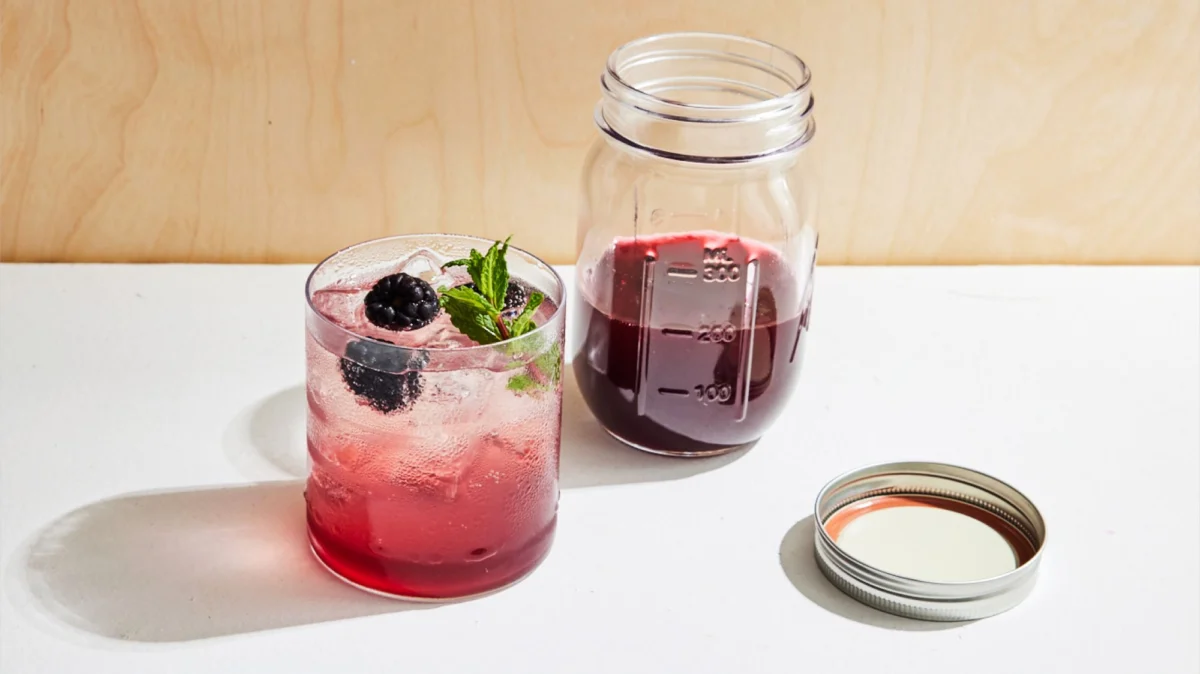
Fruit shrub, a vibrant concoction born from the harmonious marriage of ripe fruit, sugar, and vinegar, stands as a testament to culinary ingenuity, offering a versatile solution for both delightful beverages and the preservation of seasonal bounty. This sweet-tart syrup, often referred to as a "drinking vinegar," has seen a resurgence in popularity, captivating palates with its complex flavor profile and its ability to elevate both non-alcoholic refreshment and sophisticated cocktails. Its fundamental appeal lies in the skillful balance it strikes: the sweetness of fruit is artfully tempered by the bright acidity of vinegar, preventing any cloying sensation and instead delivering a palate-cleansing effervescence.
At its core, the creation of a fruit shrub is an accessible process, particularly when employing the easy cold-process method. This technique allows the natural sugars in the fruit to macerate, drawing out juices and intensifying flavors before the vinegar is introduced. This gentle approach ensures the preservation of delicate fruit notes, laying the groundwork for a syrup that can maintain its quality for months when stored properly in the refrigerator. This longevity makes it an invaluable asset for extending the enjoyment of peak-season fruits, transforming them into a year-round ingredient for a myriad of applications.
The versatility of the fruit shrub is perhaps its most compelling attribute. Whether mixed with sparkling water for a remarkably refreshing non-alcoholic beverage or stirred into spirits such as gin, tequila, bourbon, or vodka, it imparts a bright, balanced character to any drink. The vinegar, far from being a harsh additive, acts as a flavor enhancer, amplifying the inherent fruitiness while introducing a crucial layer of acidity that prevents the final beverage from becoming overly sweet or one-dimensional. This thoughtful interplay of sweet and tart is what elevates a simple drink into a sophisticated experience.
A Deep Dive into the Art of Shrub Making
The foundational principle of a shrub is its ability to capture the essence of fruit in a concentrated, shelf-stable form. The process, while simple, requires an understanding of how its core components interact. Ripe fruit, chosen for its inherent sweetness and robust flavor, is the primary building block. Sugar, in its granulated form, serves not only to sweeten but also to draw out the fruit’s juices through osmosis. This maceration period is critical, allowing the fruit to soften and release its liquid essence, creating a natural fruit syrup base.
The addition of vinegar is the transformative step. It introduces acidity, which is essential for preserving the syrup and, more importantly, for creating a dynamic flavor profile. This acidity cuts through the sweetness, creating a complex and invigorating taste that is both refreshing and intriguing. The result is a syrup that is far more than the sum of its parts, a testament to the alchemical magic that can occur in the kitchen.
The Fruit Palette: A Symphony of Flavors
The beauty of shrub making lies in its adaptability to a wide array of fruits. Berries, in their myriad forms, are a perennial favorite. Strawberries, with their classic sweetness, raspberries, offering a delicate tartness, blueberries, providing a subtle earthiness, and blackberries, with their rich, deep flavor, all lend themselves beautifully to shrub creation. The option to use a single type of fruit or to create a harmonious blend of several is a testament to the flexibility of the recipe. This allows for endless experimentation, catering to individual preferences and the availability of seasonal produce.
Beyond berries, the possibilities extend to other ripe fruits. Cherries, when pitted, can yield a wonderfully deep and complex shrub. Grapes, particularly sweet varieties, can also be transformed into a delightful syrup. The guiding principle remains consistent: the quality of the fruit directly dictates the quality of the final shrub. As the adage suggests, "Garbage in, garbage out" holds true in culinary endeavors, and with shrubs, the principle of using the best available fruit ensures the most rewarding outcome.
Embracing the Cold-Process Method
The cold-process method for making fruit shrubs has gained significant traction due to its ease and effectiveness. This technique eschews heat, which can sometimes diminish the vibrant flavors and delicate aromas of fresh fruit. Instead, it relies on time and the natural properties of sugar and vinegar to achieve the desired result.
The process typically begins by combining chopped or mashed ripe fruit with sugar in a clean, non-reactive container. This mixture is then allowed to sit at room temperature or in the refrigerator for a period ranging from a few hours to a few days. During this maceration, the sugar draws out the juices from the fruit, creating a syrupy liquid. Once the fruit has softened and released its liquid, vinegar is added to the mixture. The type of vinegar used can significantly influence the final flavor profile, offering another avenue for customization.
The Role of Vinegar: Beyond Preservation
Vinegar plays a multifaceted role in the creation and enjoyment of fruit shrubs. Historically, vinegar was a key component in preserving fruits and other foods, its acidity acting as a natural antimicrobial agent. In the context of shrubs, this preservative quality extends the shelf life of the syrup considerably.
However, its culinary contribution is far more profound than mere preservation. The acidity of vinegar is crucial for balancing the sweetness of the fruit and sugar. It introduces a bright, tangy counterpoint that prevents the shrub from becoming cloying or overly sweet. This acidity awakens the palate and enhances the perception of fruit flavors. Different types of vinegar offer distinct characteristics:
- White Wine Vinegar and Red Wine Vinegar: These are often favored for their clean, bright profiles that allow the fruit’s natural flavors to shine through without overwhelming them. They produce a well-rounded and balanced shrub.
- Apple Cider Vinegar: This offers a more pronounced flavor, with a slightly fruitier and tangier profile. It can result in a bolder, more robust shrub, particularly well-suited for heartier fruits.
- White Balsamic and Rice Vinegar: These are generally milder options, providing a subtle acidity that complements the fruit without dominating it. They are excellent choices for those who prefer a less assertive tartness.
The choice of vinegar is a critical decision for the shrub maker, influencing not only the flavor but also the overall character of the finished product. Experimentation with different vinegars can lead to delightful discoveries and personalized flavor profiles.
Customization and Infusion: Elevating the Shrub Experience
The inherent flexibility of the fruit shrub extends to the incorporation of additional flavors and aromatics. While the fruit and vinegar are the primary components, the infusion of fresh herbs and spices can add layers of complexity and sophistication.
Following the initial maceration and straining of the fruit and sugar mixture, but before or after the vinegar is fully integrated and aged, various infusions can be introduced. These can include:
- Fresh Ginger: A peeled and thinly sliced piece of ginger can impart a warming, spicy note that pairs exceptionally well with many fruits, particularly berries and stone fruits.
- Fresh Herbs: A small bunch of basil or mint, gently clapped to release their aromatic oils, can lend a refreshing herbaceous quality. Rosemary or thyme can offer a more savory and complex dimension.
- Lemongrass: A smashed piece of lemongrass, with its tough outer layers removed, can infuse a bright, citrusy aroma and flavor.
These additions are typically allowed to infuse in the refrigerator for a period, after which they are strained out, leaving behind a subtly flavored syrup. This customization allows for the creation of truly unique and personalized shrubs, tailored to specific taste preferences or seasonal inspirations.
The Timeline of Taste: Patience and Maturation
A common question regarding fruit shrubs pertains to their readiness for consumption. While it is technically possible to drink a shrub immediately after adding the vinegar, this is rarely the optimal time to appreciate its full potential. The initial flavor profile can be quite sharp and assertive, with the acidity of the vinegar being particularly prominent.
The true magic of a shrub unfolds over time. As the ingredients meld and mature in the refrigerator, the flavors harmonize, and the sharpness of the vinegar mellows into a more integrated and balanced acidity. A period of about a week is generally recommended for the shrub to begin smoothing out and developing its characteristic complexity. However, many enthusiasts find that the flavor continues to evolve and deepen over several weeks, even months, offering a dynamic and evolving taste experience. This maturation process underscores the notion that shrubs are not merely quick concoctions but rather elixirs that benefit from patience and a little time.
Modern Applications: From Mocktails to Craft Cocktails
The resurgence of interest in fruit shrubs is largely driven by their adaptability in contemporary beverage culture. They have found a significant place in the realm of non-alcoholic drinks, offering a sophisticated and flavorful alternative to sugary sodas and juices. A simple combination of 2 tablespoons of shrub stirred into a glass of ice and topped with club soda, seltzer, or tonic water creates a visually appealing and palate-pleasing beverage. The effervescence of the carbonated water, combined with the sweet-tart complexity of the shrub, results in a drink that is both refreshing and satisfying.
Furthermore, fruit shrubs have become a prized ingredient in the craft cocktail scene. Their inherent balance and ability to complement a wide range of spirits make them ideal for creating bright and nuanced cocktails. When paired with spirits like gin, tequila, vodka, or bourbon, a shrub can transform a standard mixed drink into something exceptional. A common starting point is to use 1.5 ounces of the chosen spirit and then adjust the amount of shrub to achieve the desired flavor balance. This allows bartenders and home mixologists alike to experiment with classic cocktails or to invent entirely new flavor combinations. The shrub acts as a natural sweetener, a source of acidity, and a carrier of fruit flavor, fulfilling multiple roles in a single ingredient.
Broader Impact and Implications: Sustainability and Culinary Heritage
The renewed appreciation for fruit shrubs also speaks to a broader trend towards sustainability and a rediscovery of traditional preservation techniques. In an era increasingly conscious of food waste and the desire to connect with the origins of our food, the ability of shrubs to preserve seasonal fruits for extended periods is highly relevant. By transforming surplus produce into a long-lasting syrup, shrubs offer a delicious and practical way to reduce waste and maximize the value of agricultural bounty.
Moreover, the popularity of shrubs can be seen as a revival of historical culinary practices. Before the advent of widespread refrigeration and modern preservation methods, syrups and cordials made with fruit and vinegar were common household staples. The modern resurgence of shrubs connects contemporary consumers to this rich culinary heritage, offering a tangible link to the ingenuity of past generations. This connection to tradition, coupled with their modern appeal, solidifies the fruit shrub’s place as a timeless and enduring elixir.

0 Comments