
Cottage cheese, a simple yet versatile dairy product, is experiencing a significant resurgence in popularity, captivating home cooks and influencers alike. Its journey from ancient origins to its current status as a culinary darling highlights its remarkable adaptability and enduring appeal. This article delves into the history, current trends, and diverse applications of cottage cheese, supported by expert insights and relevant data.
A Historical Foundation: Echoes of the Odyssey
The origins of cottage cheese can be traced back to ancient times, with a notable reference found in Homer’s Odyssey. In Book IX, Odysseus and his men encounter the Cyclops Polyphemus in his cave, discovering a larder filled with dairy products. Polyphemus is described as "curdling half the milk and setting it aside in wicker strainers," a process that directly mirrors the modern method of creating cottage cheese by separating curds from whey. This ancient coagulation technique, documented over two millennia ago, underscores the long-standing human practice of transforming milk into this protein-rich food. The fundamental principles of cheesemaking, including the use of rennet or acid to coagulate milk proteins, have remained remarkably consistent throughout history, evolving into various forms of fresh cheeses like cottage cheese.
A Modern Renaissance: Cottage Cheese’s Comeback
Fast forward to the 21st century, and cottage cheese is no longer confined to nostalgic childhood snacks or the stereotypical diet food of the late 20th century. It has transcended its past, finding new life and widespread adoption across social media platforms and in contemporary cuisine. The protein-rich nature of cottage cheese has positioned it as a favored ingredient for health-conscious consumers, particularly among younger demographics. Data from market research firms indicates a steady growth in the dairy aisle, with fresh cheese categories, including cottage cheese, showing robust performance. This renewed interest is fueled by its versatility, allowing it to be incorporated into a wide array of dishes, from savory appetizers to sweet desserts.
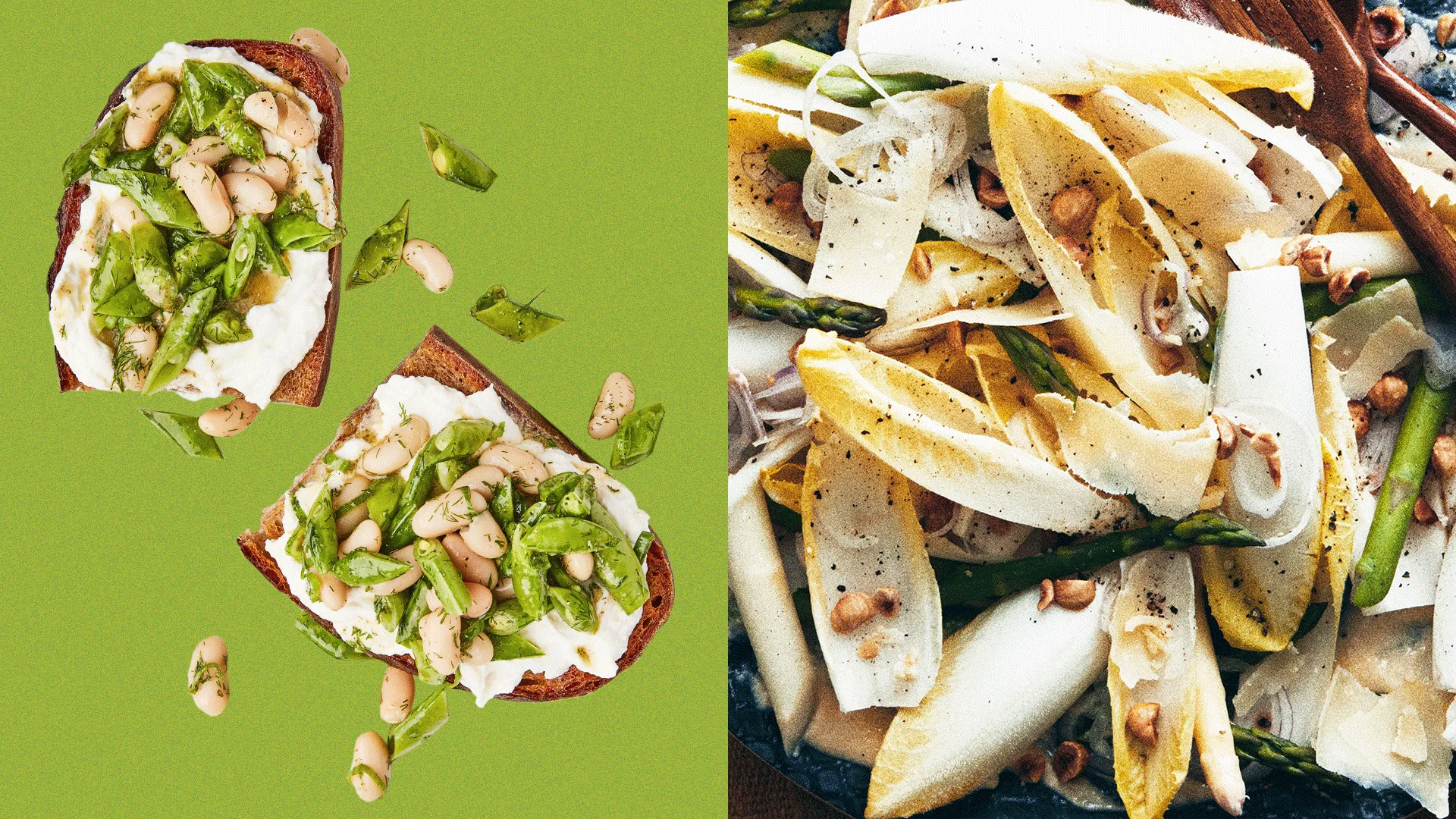
The trend is evident in its integration into dishes like lasagna, where it can replace ricotta for a lighter, tangier profile, and pierogies, offering a creamy, protein-packed filling. Its ability to be spread on toast, similar to avocado or cream cheese, has also gained traction, providing a nutritious base for quick and easy meals. While traditional uses, such as serving it with fruit, remain, modern culinary explorations have pushed the boundaries, showcasing cottage cheese’s adaptability in unexpected ways.
Culinary Applications: A Chef’s Perspective
Chefs and food editors are embracing cottage cheese for its unique textural and flavor contributions. Its mild, slightly tangy taste makes it an excellent canvas for a variety of seasonings and ingredients.
The Rise of Cottage Cheese Dips and Spreads:

One of the most popular contemporary applications of cottage cheese is in dips and spreads. Deputy Food Editor Hana Asbrink’s Cottage Cheese Caramelized Onion Dip exemplifies this trend. This recipe leverages the natural tang of cottage cheese to enhance the rich, sweet-savory notes of slow-cooked onions. The result is a dip that is both flavorful and satisfying, offering a healthier alternative to traditional sour cream or mayonnaise-based dips.
Senior Cooking Editor Kelsey Jane Youngman highlights the textural transformation of cottage cheese when blended: "After a quick blitz in the blender, it’s got a whipped, airy texture ideal for scooping up with wavy-cut potato chips, and my personal fave, wavy-cut carrots." This transformation is key to its appeal, creating a smooth, luxurious mouthfeel that can rival even the most indulgent dips. The protein content also contributes to a feeling of satiety, making it a more substantial option for snacking or entertaining. The ease of preparation – often involving simply blending ingredients – aligns with the demand for quick and unfussy meal solutions.
Versatility in Sweet and Savory Creations:
The mild flavor profile of cottage cheese allows it to seamlessly integrate into both sweet and savory dishes. Jesse Szewczyk, a Senior Test Kitchen Editor, notes its versatility, stating, "Because it’s so mild, you can work it into countless dishes." He shares his personal favorite application: "My favorite use is blending it with whatever herbs I have in my fridge and tossing the verdant sauce with warm pasta." This highlights cottage cheese’s ability to act as a creamy emulsifier and flavor carrier in pasta dishes, offering a lighter alternative to heavy cream sauces.
Beyond savory applications, Szewczyk has even experimented with sweet uses: "I’ve even blended it with melted chocolate for a quick sweet treat." This demonstrates the surprising range of cottage cheese, proving it can be a component in decadent desserts as well as everyday meals.
Innovative Uses for Families and Busy Individuals:
The practicality of cottage cheese extends to family meals and quick solutions for busy households. Emma Laperruque, Cooking Director, discovered a novel use for cottage cheese in feeding her baby. She creatively combines pureed baby foods with dairy products, noting, "Sweet potato plus Greek yogurt, broccoli plus ricotta, or most recently, beet plus cottage cheese." This innovative approach provides a nutrient-dense and appealing meal for infants, showcasing cottage cheese as a gentle and adaptable ingredient. The visual appeal, as described by Laperruque – "staining his lips fuschia" – adds a touch of playful realism to the parenting experience.

For those who find themselves with leftovers or looking to salvage dishes, cottage cheese can be a saving grace. Associate Editor Nina Moskowitz recounts an instance where leftover charred elote salad was revitalized by incorporating cottage cheese. This not only added creaminess and a fresh tang but also transformed a potentially stale dish into something new and delicious.
Addressing Texture Preferences:
For individuals who may have previously shied away from cottage cheese due to its texture, the blending process offers a solution. Rebecca Firkser, a Test Kitchen Editor, initially disliked cottage cheese for its "lumpy curds." However, a chance substitution in a smoothie led to a revelation. "Reader, it was in fact so good, I knew I had to develop a formal recipe for the smoothie for my column Good for You," she explains.
Firkser elaborates on the smoothie benefits: "Blending cottage cheese provides all the rich creaminess of yogurt or frozen banana (important for thickening a smoothie), with seasoning built right in. It offers a subtle tang that offsets but doesn’t overpower the other flavors in the drink; and best of all, the curds totally disappear in the blender." This highlights the transformative power of blending, turning a potentially off-putting texture into a smooth, creamy base that enhances other ingredients. The smoothie recipe, featuring berries, offers a healthful and satisfying option, with the cottage cheese contributing protein and a subtle complexity without a distinct dairy flavor.
The Future of Cottage Cheese
The current trajectory suggests that cottage cheese’s popularity is not a fleeting trend but a sustained culinary evolution. Its affordability, nutritional profile, and remarkable versatility position it as a staple ingredient for a wide demographic. From its ancient roots to its modern-day reinvention, cottage cheese continues to prove its value in the kitchen, offering simple yet sophisticated solutions for everyday eating. As consumers increasingly seek out nutritious, adaptable, and cost-effective ingredients, cottage cheese is poised to remain a celebrated component of the modern pantry. The ongoing innovation in recipes and applications, driven by home cooks and professional chefs alike, ensures that cottage cheese will continue to surprise and delight for years to come.

0 Comments