
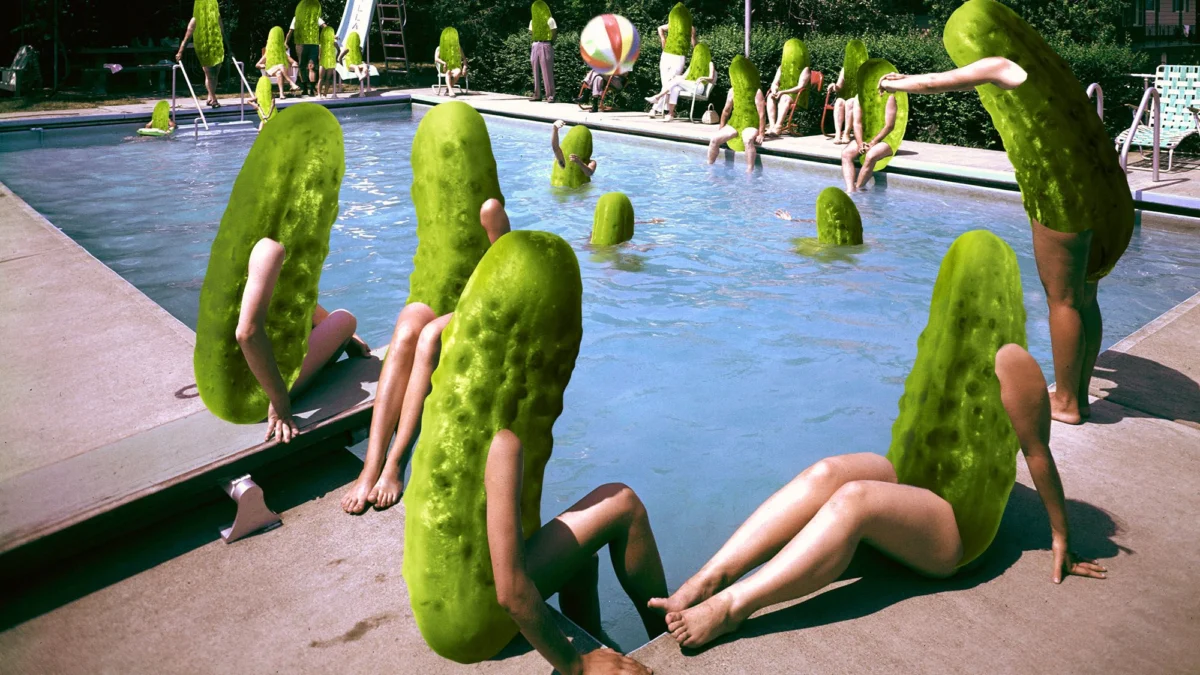
The humble pickle, once relegated to the sidelines of deli sandwiches and burger toppings, has experienced an unprecedented surge in popularity, transforming from a common condiment to a culinary and cultural phenomenon. This dramatic rise, affectionately dubbed "Peak Pickle," has seen the tangy, briny flavor infiltrate virtually every corner of the consumer market, from mainstream food products to niche luxury items and even unexpected beverage pairings. What began as a subtle trend has evolved into a full-blown "pucker mania," challenging conventional taste profiles and redefining what it means to be a flavor of the moment.
The Genesis of a Gherkin Obsession
The transformation of the pickle from a mere accompaniment to a star player is a story that has unfolded over the past few years, with social media acting as a significant accelerant. Influencers, known for their ability to amplify trends, have played a pivotal role in showcasing the versatility and perceived novelty of pickle-flavored products. A prime example of this amplified enthusiasm was recently demonstrated by social media personality Serena Neel. In a widely shared video, Neel, clad in a "I ❤️ Pickles" shirt and a striking pickle-adorned headband, embarked on a mission to immerse herself in a pool filled with an estimated 50,000 Josh’s Pickles. Documented by her team, the process involved wheelbarrow after wheelbarrow of pickles being ceremoniously tipped into the pool, eventually creating a verdant, bobbing sea that completely obscured the chlorinated water. Following this aquatic immersion, Neel donned goggles and a swimsuit, making a splash into her briny new environment. This elaborate stunt, while perhaps hyperbolic, perfectly encapsulates the current cultural embrace of all things pickle.
This embrace extends far beyond novelty stunts. The market has responded with an avalanche of pickle-infused consumables. Consumers can now indulge in pickle-flavored chips, sample pickle beer, roast pickle marshmallows (intended for a unique s’mores experience), and spread cracker toppings infused with dill pickle flavors. The innovation doesn’t stop at food; the pickle trend has permeated lifestyle products. Items such as pickle-flavored personal lubricant, dill pickle lip gloss, and even pickle-scented perfume have emerged, signaling the sheer breadth of this flavor’s reach. In the realm of high fashion and accessories, a $2,000 pickle-shaped ring further underscores the unexpected luxury and desirability associated with this once-humble vegetable.
Quantifying the Pickle’s Ascent: Data and Market Trends
The quantifiable impact of this pickle craze is substantial. A report by FoodNavigator, a leading trade publication in the food and beverage sector, highlighted the dramatic financial implications of this trend. In November of the previous year, sales of pickle-flavored products had surged by nearly 34%, translating to an impressive $490 million in revenue compared to the year prior. This data provides concrete evidence of the economic power behind the pickle’s popularity.
Mark Luker, the chief commercial officer at Grillo’s Pickles, a prominent brand in the pickle industry, has observed this growth firsthand. He noted that the company frequently anticipates the peak of the trend, only to be surprised by its continued expansion. "We keep saying, ‘Okay, this is the last year of the craze,’ and every year it seems to get bigger," Luker commented, underscoring the sustained and evolving nature of pickle consumption.
The Social Media Engine and Expert Analysis
The role of social media in fueling this phenomenon cannot be overstated. Karen Solomon, an esteemed pickle expert and author of "Pickles, Illustrated," attributes a significant portion of the current pickle popularity to the pervasive influence of platforms like Instagram. "Thank you, Instagram," Solomon remarked, acknowledging the digital ecosystem’s capacity to popularize niche interests and transform them into mainstream trends. Solomon further suggests that the widespread adoption of pickle flavor by food manufacturers is a classic example of trend-following. She drew a parallel to past flavor crazes, such as the ubiquity of blue-colored chips or the surge of intensely spicy snacks following the introduction of products like Takis. "Remember for a while, all chips were blue," she recalled, "and when Takis came out, everything started to be super ultra-hot, fiery, and spicy. So, yes, I do think the [pickle flavor] is a bandwagon thing." This observation suggests that while an initial interest may be organic, the subsequent amplification by manufacturers and influencers creates a self-perpetuating cycle of demand.
The Evolution of Pickle Consumption: Beyond the Snack Aisle
The pickle boom is not merely about consumers buying more jars of pickles; it is actively spurring innovation in how the flavor is integrated into diverse culinary experiences. One of the most exciting areas of development is in the realm of cocktails. Pickle brine, with its inherent salinity, acidic tang, and savory undertones, offers a unique flavor profile that can enhance and balance alcoholic beverages.
Ly Costales, the assistant director of food and beverage at the Hotel del Coronado in San Diego, explained the cocktail appeal of pickle juice. "Pickle juice already has the salinity, vinegar-forward acidity, and garlic character built in, so it cuts sweetness and adds a savory depth," Costales stated. She drew a comparison to olive brine in a dirty martini, emphasizing how pickle juice can similarly balance and elevate a drink. The Hotel del Coronado has successfully capitalized on this trend, with its pickle margarita having been a top-selling item since its introduction over a year ago.
Another notable example comes from Trick Dog in San Francisco, a bar that has experimented with incorporating pickle brine into its cocktail creations. Their dirty Manhattan, featuring rye whiskey, brine from house-made bread-and-butter pickles, and a tamarind-infused vermouth, showcases the sophisticated applications of pickle flavors. A Trick Dog representative noted that their exploration of vinegar-based ingredients has opened up a new spectrum of flavor possibilities for their mixologists.
The Limits of the Lactic Leap: When Pickle Goes Too Far
While the pickle trend has demonstrated remarkable resilience and adaptability, there are instances where the application of pickle flavor stretches beyond conventional appeal, often driven by the pursuit of viral content. Recent viral reels have showcased unconventional pairings, such as frozen pickles in Sauvignon Blanc. While the creators often present these combinations with enthusiastic gestures, the actual sensory experience remains largely anecdotal, with little to no explanation of the taste profile.
One journalist’s personal experiment with frozen pickles in Sauvignon Blanc yielded a decidedly negative result. The combination of dill and vinegar aromas was off-putting, and the tart acidity of the pickle brine clashed unpleasantly with the wine’s natural acidity, creating an overly sour and dense flavor. The pickle brine, in this instance, detracted from the wine’s crisp finish, leaving a flat and unappealing taste. While this particular experiment used dill pickle juice, the question remains whether other pickle varieties, such as bread-and-butter or spicy pickles, might offer a different outcome, though the fundamental pairing remains questionable.
These viral trends, while potentially attention-grabbing, often serve as a prime example of the "bandwagon effect" at its most extreme. Creators may be leveraging the current popularity of pickles, assuming audiences will be receptive to any pickle-related content, and then presenting slightly unhinged combinations that are more likely to garner views and engagement. This strategy, as observed in the viral jalapeño-in-wine trend spearheaded by influencers and even Sarah Jessica Parker, where the addition was described as "low-key good," highlights the fine line between innovative flavor exploration and purely attention-seeking stunts.
Navigating the Golden Age of Pickles
Despite the occasional missteps and the inherent limits of any flavor trend, the current era represents a golden age for pickle enthusiasts. The sustained popularity of pickles offers a wealth of opportunities for both consumers and businesses. For those eager to explore the multifaceted world of pickles, embracing home experimentation is encouraged. Purchasing a large jug of pickle juice, for instance, can unlock a spectrum of creative possibilities, from incorporating it into refreshing lemonades and classic martinis to crafting unique margaritas. Many culinary publications and recipe developers are actively encouraging such explorations, providing recipes that highlight the versatility of pickle brine in beverages and beyond.
When dining out, individuals are encouraged to be adventurous and try pickle-centric cocktails that appear on menus. These offerings often represent thoughtful culinary applications of the pickle trend, showcasing how the flavor can be integrated with sophistication and nuance. The current enthusiasm for pickles, while perhaps a fleeting moment in culinary history, is a testament to the power of a unique flavor profile to capture the public imagination and inspire widespread creativity. As the trend continues to evolve, it will be fascinating to observe how the pickle solidifies its place in the pantheon of popular flavors, whether as a perennial favorite or a fondly remembered culinary fad.

0 Comments