
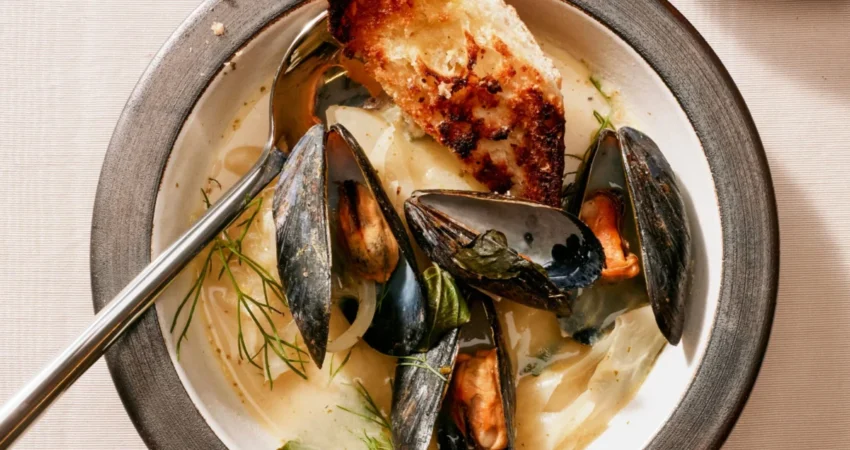
The humble mussel, often overlooked in the grand tapestry of haute cuisine, is experiencing a renaissance, evolving from a simple seafood staple into a symbol of romantic intimacy and culinary sophistication. This perception is deeply rooted in the tactile and communal nature of enjoying mussels, a tradition that harks back to rustic European dining experiences and is now being championed by contemporary chefs and home cooks alike. The act of eating mussels with one’s hands, a practice that encourages a visceral connection with the food, coupled with the irresistible allure of sopping up their flavorful broth with crusty bread, creates an unparalleled sensory experience.
This intimate approach to dining was a cherished ritual for the culinary team behind La Copine, a renowned restaurant that has since closed its doors. In the bustling environment of La Copine, "date nights" were strategically carved out in the moments preceding the end of service. This allowed the staff to pause amidst the demanding pace of the restaurant industry and engage in a shared culinary moment. The chosen repast? A classic pairing of mussels, a vibrant beet salad, and effervescent sparkling wine. This specific combination, described as "quite enchanting," served not only as a brief respite but also as a potent reminder of the simple yet profound joys of food and fellowship. The memory of these shared moments at the bar, surrounded by the lingering aromas of the kitchen, has inspired a particular rendition of steamed mussels that aims to transport diners to a different era and place, evoking the romantic ambiance of Belle Époque Paris.
The contemporary interpretation of steamed mussels, as exemplified by the La Copine recipe, intentionally weaves in elements that pay homage to French culinary heritage. The inclusion of Pernod, a classic anise-flavored French liqueur, within the compound butter is a deliberate and affectionate nod to the country’s rich gastronomic traditions. This is further complemented by the sharp, piquant notes of Dijon mustard, another cornerstone of French cuisine. The resulting broth is a complex symphony of flavors, characterized by a pronounced anise aroma, enhanced by the subtle sweetness of fennel and the herbaceous depth of dried tarragon. The French liqueur acts as a unifying agent, binding these distinct elements into a cohesive and intoxicating liquid. The final flourish of a generous handful of fresh basil and delicate fennel fronds adds a vibrant burst of freshness, elevating the broth to the true star of the dish. The interplay of sweet anise, the assertive kick of Dijon, and the balanced acidity introduced by the white wine culminates in a broth so compelling that it invites, and indeed demands, that one’s bread be fully saturated, creating the perfect, flavor-packed bite.
Beyond the immediate indulgence, the compound butter, a luxurious element in its own right, offers a versatile culinary resource. Any excess can be repurposed to craft delectable garlic bread, to infuse roasted chicken or steak with a rich, herbaceous flavor, or to add a final touch of elegance to warm, freshly cooked potatoes. This thoughtful utilization of ingredients underscores a commitment to minimizing waste and maximizing culinary potential, a hallmark of sophisticated cooking.
For those seeking to replicate this enchanting experience, the choice of anise-flavored liqueur is crucial. While Pernod is the preferred ingredient, alternatives such as Ricard, another prominent Pastis brand, are also highly recommended. For a more unconventional yet potentially rewarding flavor profile, the addition of bourbon has been suggested, offering a different, yet intriguing, dimension to the broth.
The preparation of mussels, while seemingly straightforward, requires a meticulous approach to ensure optimal quality and safety. The process begins with a thorough cleaning. Any prominent "beards," the fibrous threads that mussels use to attach themselves to surfaces, should be gently plucked off. The mussels are then submerged in a container of cold water, to which a small amount of ice has been added. This chilling effect helps to keep the mussels dormant and prevents them from opening prematurely. They should be gently tumbled in the water, a process that aids in dislodging any sand or grit. Crucially, any mussels that remain open or exhibit cracks should be immediately discarded, as these are signs of compromised shellfish. Following this initial rinse, the cleaned mussels are transferred to a fresh container, covered with damp towels, and kept chilled with additional ice. Refrigeration is essential, and the mussels can be stored for up to three days. However, for peak freshness and flavor, it is recommended to perform a fresh rinse daily.
This recipe is an adaptation from the acclaimed cookbook La Copine, authored by Claire Wadsworth and Nikki Hill and published in 2026 by Abrams. The cookbook itself is a testament to the enduring legacy of the restaurant and its culinary philosophy.
The Evolving Landscape of Seafood Consumption
The growing appreciation for mussels as a sophisticated dish is occurring against a backdrop of increasing global interest in sustainable and accessible seafood options. According to a 2023 report by the Food and Agriculture Organization of the United Nations (FAO), global aquaculture production, which includes farmed mussels, has seen a steady upward trend, contributing significantly to meeting the growing demand for seafood. This surge in availability and improved farming practices have made mussels a more environmentally conscious choice for consumers.
Furthermore, the culinary world has witnessed a broader movement towards embracing ingredients that offer both flavor and experiential value. Mussels, with their inherent charm and the communal aspect of their consumption, perfectly align with this trend. Restaurants and home cooks are increasingly recognizing that a meal can be more than just sustenance; it can be an occasion, a shared memory, and an exploration of cultural heritage.
Historical Context and Culinary Roots
The consumption of mussels dates back centuries, with evidence of their use found in archaeological sites across Europe. Historically, mussels were often a readily available and inexpensive source of protein for coastal communities. Their cultivation, particularly in regions like Spain and France, has a long and established history, contributing to their integral role in regional cuisines. The evolution from a peasant food to a refined dish reflects broader societal shifts in dining habits and the increasing emphasis on quality ingredients and culinary artistry. The Belle Époque era, a period of significant artistic and cultural flourishing in France, saw a rise in the appreciation for refined dining experiences, and it is within this context that the romantic allure of mussels as a sophisticated offering finds its resonance.
Expert Perspectives and Industry Trends
Chefs and food critics have noted the increasing popularity of mussels as a featured item on restaurant menus. Chef Anya Sharma, a proponent of sustainable seafood practices, commented, "Mussels offer an incredible canvas for flavor. Their natural brininess pairs beautifully with a wide range of aromatics, from classic herbs to more adventurous spices. What’s truly exciting is how they encourage a more interactive dining experience. It’s a dish that brings people together, fostering conversation and a sense of shared enjoyment."
The trend towards dishes that engage multiple senses is also a significant factor. The aroma of steaming mussels, the visual appeal of the vibrant broth, and the tactile sensation of eating them with one’s hands all contribute to a memorable culinary encounter. This multi-sensory engagement is a key driver in the contemporary food scene, moving beyond mere taste to encompass the entire dining experience.
Broader Impact and Implications
The elevation of mussels from a simple stew ingredient to a romantic culinary staple has several implications. Firstly, it contributes to the diversification of dining experiences, offering consumers more nuanced and engaging options. Secondly, it underscores the potential for underappreciated ingredients to be transformed through culinary innovation and thoughtful presentation. As consumers become more conscious of the provenance and sustainability of their food, dishes like these, which highlight accessible and responsibly sourced ingredients, are likely to gain further traction. The continued exploration of such dishes can foster a deeper appreciation for the cultural and historical narratives embedded within food, enriching our understanding of global culinary traditions.
This resurgence in the popularity of mussels as a sophisticated dish serves as a powerful reminder that culinary excellence can be found in both the grandest and the most humble of ingredients. It is a testament to the enduring power of food to connect us, to evoke memories, and to transport us to cherished moments, whether that be a romantic evening at a Parisian bistro or a shared, intimate meal with loved ones.

0 Comments