
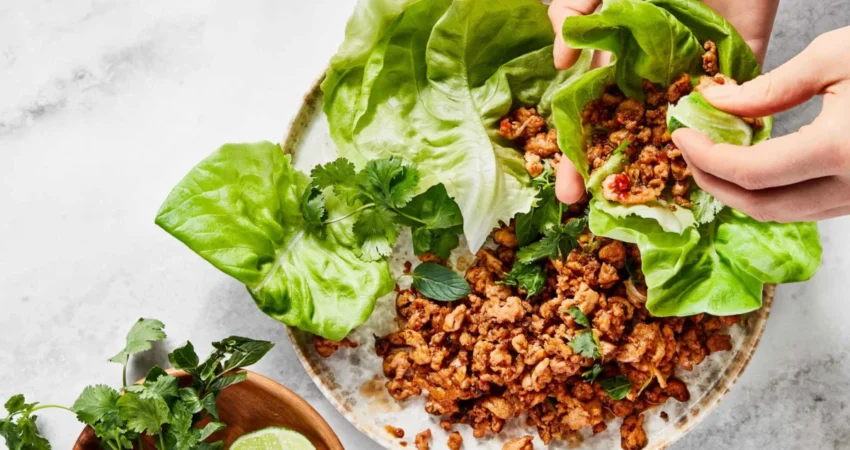
Bon Appétit magazine’s kitchens have long been a crucible of culinary innovation, a place where classic flavors are reimagined and accessible dishes gain cult followings. Among the pantheon of beloved recipes, a particular set of spicy chicken lettuce wraps has achieved a notable status, resonating deeply with both the publication’s dedicated readership and its in-house culinary team. This dish, inspired by the vibrant Southeast Asian flavor profile of larb gai, is a testament to the power of simple, fresh ingredients combined with bold, balanced seasonings to create a meal that is both satisfying and remarkably easy to prepare. The recipe’s enduring popularity underscores a growing trend in home cooking: the desire for high-reward, low-effort meals that deliver complex flavors without demanding extensive time or advanced technique.
The foundation of these celebrated lettuce wraps lies in their flavorful filling. Ground chicken, sautéed to a savory crumble, forms the base. Its inherent mildness acts as a perfect canvas for a potent blend of aromatics and savory-sweet elements. The recipe draws its characteristic heat and umami from a carefully calibrated mixture of soy sauce, fish sauce, brown sugar, and sriracha. This combination is not merely a random assortment of condiments; it represents a thoughtful approach to replicating the nuanced taste profile of traditional larb, a minced meat salad often found in Laos and Thailand. The inclusion of ample garlic and scallions further amplifies the dish’s aromatic complexity, providing pungent notes that cut through the richness of the meat and the sweetness of the sugar.
Beyond the immediate flavor impact, the true brilliance of these lettuce wraps lies in their textural interplay and temperature contrast. The warm, spicy chicken is enveloped by the cool, crisp crunch of fresh lettuce leaves. This duality is crucial to the dish’s appeal, offering a refreshing and palate-cleansing experience with every bite. Fresh herbs, such as cilantro or mint, are liberally incorporated, adding bursts of herbaceous freshness that elevate the overall flavor profile. A final, yet critical, element of textural contrast comes from the addition of crunchy, store-bought fried shallots. These provide a satisfying crispness that complements the tender chicken and the yielding lettuce, adding a layer of complexity often found in more time-consuming preparations. The finishing touch of bright citrus, typically lime, provides a zesty counterpoint that ties all the flavors together, awakening the palate and ensuring the dish remains vibrant and invigorating. The entire culinary experience, from preparation to consumption, is designed to be a high-reward, low-effort endeavor, typically achievable in approximately 20 minutes.
The Genesis of a Beloved Recipe: A Look at Larb Gai and Its Culinary Influence
The inspiration behind Bon Appétit’s chicken lettuce wraps, larb gai, is a dish with deep roots in Southeast Asian cuisine, particularly in Laos and Northeastern Thailand. Larb, a general term for a type of minced meat salad, is a staple in these regions, celebrated for its vibrant flavors and adaptable nature. Larb gai specifically refers to the chicken version, and it is typically prepared with finely minced or ground chicken, seasoned with lime juice, fish sauce, chili flakes, and often toasted ground rice (khao khua) for a distinctive nutty aroma and texture. Fresh herbs like mint, cilantro, and spring onions are integral components, contributing freshness and complexity.
The Bon Appétit recipe, while inspired by larb gai, streamlines certain elements for home cooks. The inclusion of brown sugar and sriracha offers a more readily accessible sweet and spicy profile for Western palates, while omitting the toasted rice powder simplifies the preparation. This adaptation is a common practice in culinary publications aiming to translate authentic global flavors into approachable home-cooked meals. The popularity of such recipes reflects a broader trend in food media: demystifying international cuisines and empowering home cooks to explore diverse culinary landscapes without intimidation. The success of these lettuce wraps is, therefore, a microcosm of a larger cultural shift towards global culinary appreciation and the pursuit of flavorful, convenient meal solutions.
A Timeline of Flavor: From Inspiration to Kitchen Staple
While the exact date of the recipe’s initial publication by Bon Appétit is not provided in the initial content, its description as a "longtime favorite" suggests a history of consistent appeal. This longevity is a significant indicator of a recipe’s inherent quality and its ability to transcend fleeting culinary trends. Recipes that endure typically offer a combination of excellent flavor, user-friendliness, and adaptability.
The journey of such a recipe often begins with a culinary team’s exploration of global flavors. Bon Appétit’s editorial process likely involved testing and refining various iterations of larb gai, adjusting ingredient ratios and techniques to suit the publication’s aesthetic and its audience’s capabilities. The focus on a 20-minute preparation time indicates a deliberate effort to create a weeknight-friendly meal, a crucial factor for busy home cooks. Once published, reader feedback and internal adoption would have solidified its status. A recipe becoming a "favorite of Bon Appétit readers (and staff)" implies widespread appreciation, suggesting that the dish has been frequently prepared and shared within the magazine’s community. This organic endorsement, stemming from genuine culinary enjoyment, is a powerful testament to its success.
Supporting Data: The Growing Appetite for Flavorful, Fast Meals
The enduring appeal of Bon Appétit’s spicy chicken lettuce wraps aligns with broader market trends in the food industry. Data from various sources indicates a significant consumer demand for convenient, yet flavorful, meal solutions.
- Growth in Meal Kits and Prepared Foods: The global meal kit delivery service market, for example, has seen substantial growth. In 2023, the market was valued at over $10 billion and is projected to continue expanding significantly in the coming years. This trend highlights consumers’ willingness to pay for convenience and curated culinary experiences, even if they involve some level of preparation. The lettuce wrap recipe offers a similar benefit – a complete, flavorful meal concept achievable in a short timeframe, bypassing the need for extensive planning or specialized ingredients.
- Increased Interest in Global Flavors: Consumer surveys consistently show a growing interest in exploring international cuisines. A 2023 report by the International Food Information Council (IFIC) indicated that a significant percentage of consumers are actively seeking out new and diverse flavors, with Asian cuisines, including Thai and Vietnamese, ranking high in popularity. The larb gai-inspired nature of the lettuce wraps directly taps into this trend, offering an accessible entry point to authentic Southeast Asian tastes.
- Demand for Healthy and Fresh Options: While flavor is paramount, health consciousness also plays a role. Lettuce wraps, by their nature, offer a lighter alternative to traditional carb-heavy meals. The use of fresh herbs, lean protein, and vegetables caters to consumers seeking healthier dining options. The National Health and Nutrition Examination Survey (NHANES) data consistently shows a public health focus on increasing vegetable and fruit intake, and recipes that incorporate these elements naturally gain favor.
- Time Constraints in Modern Lifestyles: The reality of modern life often involves packed schedules, leaving limited time for elaborate cooking. Statistics on working hours and commuting times underscore the need for efficient meal preparation. The "20 minutes or less" promise of these lettuce wraps is a powerful selling point, directly addressing the time poverty experienced by many households.
These data points collectively suggest that Bon Appétit’s spicy chicken lettuce wraps are not an isolated phenomenon but rather a culinary offering that perfectly addresses contemporary consumer desires for flavor, convenience, health, and global culinary exploration.
Official Responses and Editorial Philosophy
While direct "official responses" from Bon Appétit regarding this specific recipe’s popularity are not available in the provided text, the publication’s editorial philosophy offers insight into why such a dish would achieve sustained acclaim. Bon Appétit is renowned for its commitment to accessible, yet aspirational, home cooking. Their recipes are meticulously tested, with a focus on clarity, deliciousness, and practicality.
The magazine’s editorial team, comprising experienced chefs, food writers, and editors, is dedicated to translating complex culinary techniques and authentic flavors into achievable home-cooked meals. The emphasis on a "high-reward dinner for very little effort" is a core tenet of their approach. This philosophy acknowledges that while many home cooks aspire to create exceptional meals, they often operate within significant time constraints. By offering recipes like these lettuce wraps, Bon Appétit empowers its readers to experience the joy of cooking and the satisfaction of a well-prepared, flavorful meal without the burden of arduous preparation.
The inclusion of a comprehensive FAQ section further demonstrates the publication’s dedication to reader support. Questions about lettuce varieties, alternative meat options, and gluten-free modifications showcase a proactive approach to anticipating user needs and ensuring the recipe’s versatility and broad appeal. This level of detail and consideration fosters a sense of community and trust, encouraging readers to engage with and adapt the recipes to their individual circumstances. The staff’s own adoption of the recipe as a favorite indicates a genuine belief in its culinary merit, a crucial element in its sustained popularity.
Broader Impact and Implications: The Democratization of Flavor
The enduring success of Bon Appétit’s spicy chicken lettuce wraps has implications that extend beyond mere culinary appreciation. It signifies a broader cultural shift towards the democratization of flavor and the increasing accessibility of diverse culinary traditions.
- Empowerment of Home Cooks: Recipes like this empower individuals to step outside their culinary comfort zones and explore global flavors. The simplified approach to a dish like larb gai makes authentic tastes attainable for those who might not have the time or resources to learn traditional methods from scratch. This fosters a sense of culinary confidence and encourages experimentation in the kitchen.
- Bridging Cultural Divides Through Food: As global interconnectedness increases, food serves as a powerful bridge between cultures. By introducing readers to the nuanced flavors of Southeast Asian cuisine in an accessible format, Bon Appétit plays a role in fostering greater understanding and appreciation for diverse culinary heritage.
- The Evolution of Weeknight Dining: The "20-minute meal" concept is no longer a niche offering; it is a significant driver of consumer choice. The success of these lettuce wraps highlights the ongoing demand for quick, healthy, and flavorful weeknight dinners. This trend influences product development in the food industry, from pre-portioned ingredients to ready-to-cook meal components.
- Sustainability and Ingredient Choice: While not explicitly detailed in the provided text, the flexibility of the recipe – allowing for different lettuce types and meat substitutions – also implicitly supports sustainable practices. Encouraging the use of readily available produce and adaptable protein sources can contribute to more mindful consumption.
In essence, Bon Appétit’s spicy chicken lettuce wraps are more than just a recipe; they represent a confluence of culinary excellence, practical design, and cultural relevance. Their sustained popularity is a testament to the power of well-executed, globally inspired dishes that resonate with the realities and aspirations of modern home cooks, proving that exceptional flavor can indeed be both accessible and achievable. The continued embrace of such recipes by readers and culinary professionals alike underscores a vibrant and evolving landscape of home cooking, where deliciousness, convenience, and cultural exploration go hand in hand.

0 Comments