
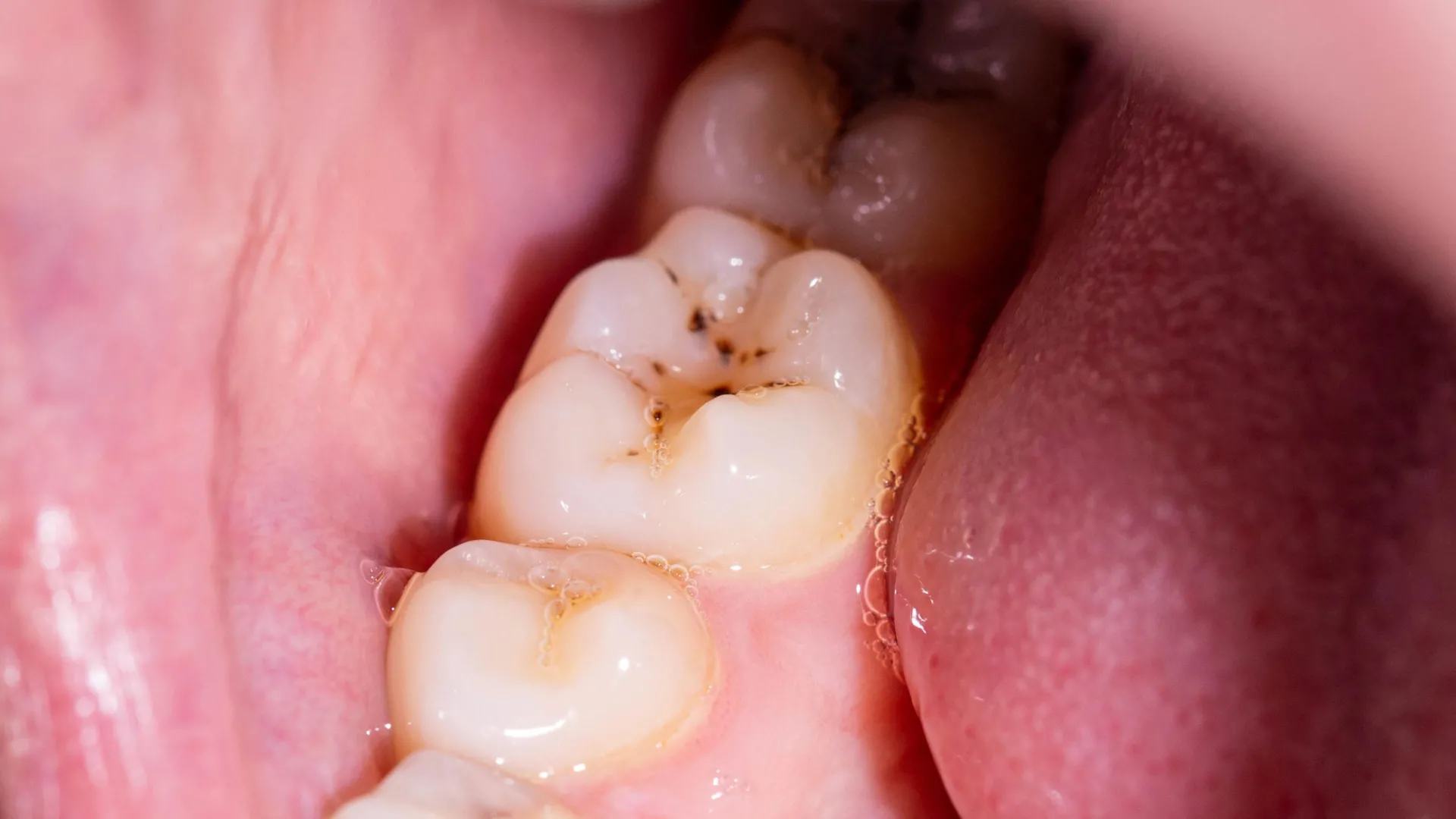
Scientists at the University of Nottingham have unveiled a groundbreaking dental gel capable of regenerating damaged tooth enamel, heralding a potential paradigm shift in the prevention and treatment of dental decay and tooth wear. This innovative biomaterial, developed by researchers in the School of Pharmacy and the Department of Chemical and Environmental Engineering, mimics the intricate biological processes that naturally form enamel, offering a novel approach to oral health. The findings, published in the prestigious journal Nature Communications, suggest that this gel could not only repair enamel weakened by mineral loss or erosion but also reinforce healthy enamel and provide a robust defense against future damage.
Recreating Nature’s Blueprint: The Science Behind the Gel
The core innovation of this new dental gel lies in its ability to replicate the functions of natural proteins crucial for enamel development during infancy. Unlike conventional fluoride treatments, which primarily strengthen existing enamel by encouraging remineralization with fluoride ions, this fluoride-free gel utilizes specifically designed proteins. When applied to a tooth, the gel forms a thin yet remarkably durable coating. This coating possesses the unique capability to penetrate the tooth’s surface, reaching and filling microscopic cracks, pores, and other compromised areas.
This intricate process is facilitated by what the researchers term "epithelial mineralization." The gel acts as a scaffold, drawing essential calcium and phosphate ions directly from the patient’s saliva. These ions are then guided by the engineered proteins to form new mineral crystals. Crucially, these new crystals grow in precise alignment with the tooth’s existing mineral structure. This organized growth ensures that the newly formed enamel integrates seamlessly with the natural tissue beneath, rather than creating a superficial, poorly bonded layer. This alignment is key to restoring both the microscopic architecture and the vital physical properties of healthy enamel.
Professor Alvaro Mata, Chair in Biomedical Engineering & Biomaterials and lead of the study, elaborated on the significance of this controlled growth. "Our material promotes the growth of crystals in an integrated and organized manner, recovering the architecture of our natural healthy enamel," he stated. "This organized growth is fundamental to achieving the remarkable strength and resilience of natural tooth structure."
A Solution for Sensitive Teeth and Exposed Dentine
Beyond its restorative capabilities for enamel, the gel also presents a promising solution for individuals suffering from dentine hypersensitivity. Dentine, the softer layer beneath enamel, can become exposed due to enamel erosion or gum recession. This exposure reveals microscopic tubules that lead directly to the tooth’s nerves, causing sharp pain in response to stimuli such as hot, cold, sweet, or even light touch.
When applied to exposed dentine, the gel can initiate the formation of an enamel-like mineral layer over the sensitive surface. This not only alleviates discomfort by shielding the nerve endings but also creates a stronger, more stable surface. This enhanced surface can significantly improve the bonding of dental restorations, such as fillings and crowns, potentially leading to longer-lasting and more successful dental work.
The Pervasive Challenge of Enamel Loss
Enamel damage is a leading contributor to dental caries (tooth decay) and a host of other oral health issues affecting a staggering proportion of the global population. Estimates suggest that nearly 50% of people worldwide experience some form of dental disease, with severe cases leading to debilitating pain, persistent infections, and ultimately, tooth loss. The implications of poor oral health extend far beyond the mouth, with growing evidence linking it to systemic health conditions such as diabetes and cardiovascular disease.
Enamel, the outermost layer of the tooth, is the hardest tissue in the human body. Its primary role is to act as a robust shield against the physical forces of chewing, temperature fluctuations, and the acidic attacks from food and bacteria. However, a critical limitation of enamel is its lack of living cells. This means that once enamel is lost due to wear, erosion, or decay, the body cannot regenerate it naturally.
Current treatments, such as fluoride varnishes and various remineralization therapies, play a vital role in strengthening existing enamel and mitigating the symptoms of early demineralization. However, these methods are primarily preventive or palliative; they cannot truly replace lost enamel structure. The University of Nottingham’s gel offers a significant advancement by providing a mechanism for genuine regeneration, closely mirroring the organized mineral growth of natural tissue.
Rigorous Testing: Withstanding the Rigors of Daily Life
To validate the efficacy and durability of the regenerated enamel, the research team subjected the material to a battery of tests designed to simulate the everyday stresses teeth encounter. These included cycles of simulated tooth brushing, forces mimicking chewing, and exposure to acidic environments, which are known to gradually dissolve enamel.
The results of these comprehensive tests were highly encouraging. Dr. Abshar Hasan, a Postdoctoral Fellow and the study’s lead author, reported that "the regenerated enamel behaves just like healthy enamel." Specifically, the mechanical properties of the repaired tissue demonstrated resilience comparable to that of natural, healthy enamel under these simulated ‘real-life situations.’ This robust performance suggests that the gel-based treatment is not only capable of rebuilding enamel but also of producing a material durable enough for practical, long-term use in the demanding oral environment.
"We have tested the mechanical properties of these regenerated tissues under conditions simulating ‘real-life situations’ such as tooth brushing, chewing, and exposure to acidic foods, and found that the regenerated enamel behaves just like healthy enamel," Dr. Hasan emphasized. This scientific validation is a crucial step towards clinical application.
The Road to Commercialization: Bringing Innovation to Patients
The researchers are optimistic about the potential for widespread clinical adoption of their technology. Professor Mata highlighted the patient-centric design of the gel: "It is safe, can be easily and rapidly applied, and it is scalable." The versatility of the material also opens doors for a range of dental products catering to diverse patient needs, from children to adults experiencing various enamel-related issues.
The team has already taken concrete steps towards translating their laboratory breakthrough into tangible patient benefits. They have initiated the commercialization process through their newly established start-up company, Mintech-Bio. The company’s immediate goal is to develop an initial product for clinical use, with the hope of making it available to patients worldwide within the next year. This accelerated timeline underscores the researchers’ confidence in the technology’s readiness and its potential to address a significant unmet need in dental care.
The potential applications for this technology are broad and varied. Beyond professional treatments for enamel erosion and sensitivity, the gel could be integrated into over-the-counter products aimed at enhancing tooth durability and potentially improving the longevity and bonding of dental fillings and other restorative materials. This multifaceted approach could revolutionize how dental professionals manage and prevent tooth decay and wear.
Broader Implications for Global Oral Health
The development of a regenerative enamel treatment has profound implications for public health. By offering a way to genuinely rebuild damaged tooth structure, this innovation could significantly reduce the incidence and severity of dental caries, a disease that places a substantial burden on healthcare systems globally. Early intervention with such a gel could potentially prevent the need for more invasive and costly procedures like root canals and extractions.
Furthermore, by improving oral health outcomes, this technology could contribute to better overall systemic health. As the links between oral health and chronic diseases become increasingly recognized, advancements that bolster the integrity of teeth and prevent infections are of paramount importance.
The journey from laboratory discovery to widespread clinical use is often lengthy and complex. However, the promising early results and the clear vision for commercialization from the University of Nottingham team suggest that this innovative dental gel may soon represent a significant leap forward in our ability to preserve and restore the health and function of our teeth. The potential for this technology to alleviate pain, prevent disease, and enhance the quality of life for millions worldwide is substantial, marking a new era in restorative dentistry.

0 Comments