
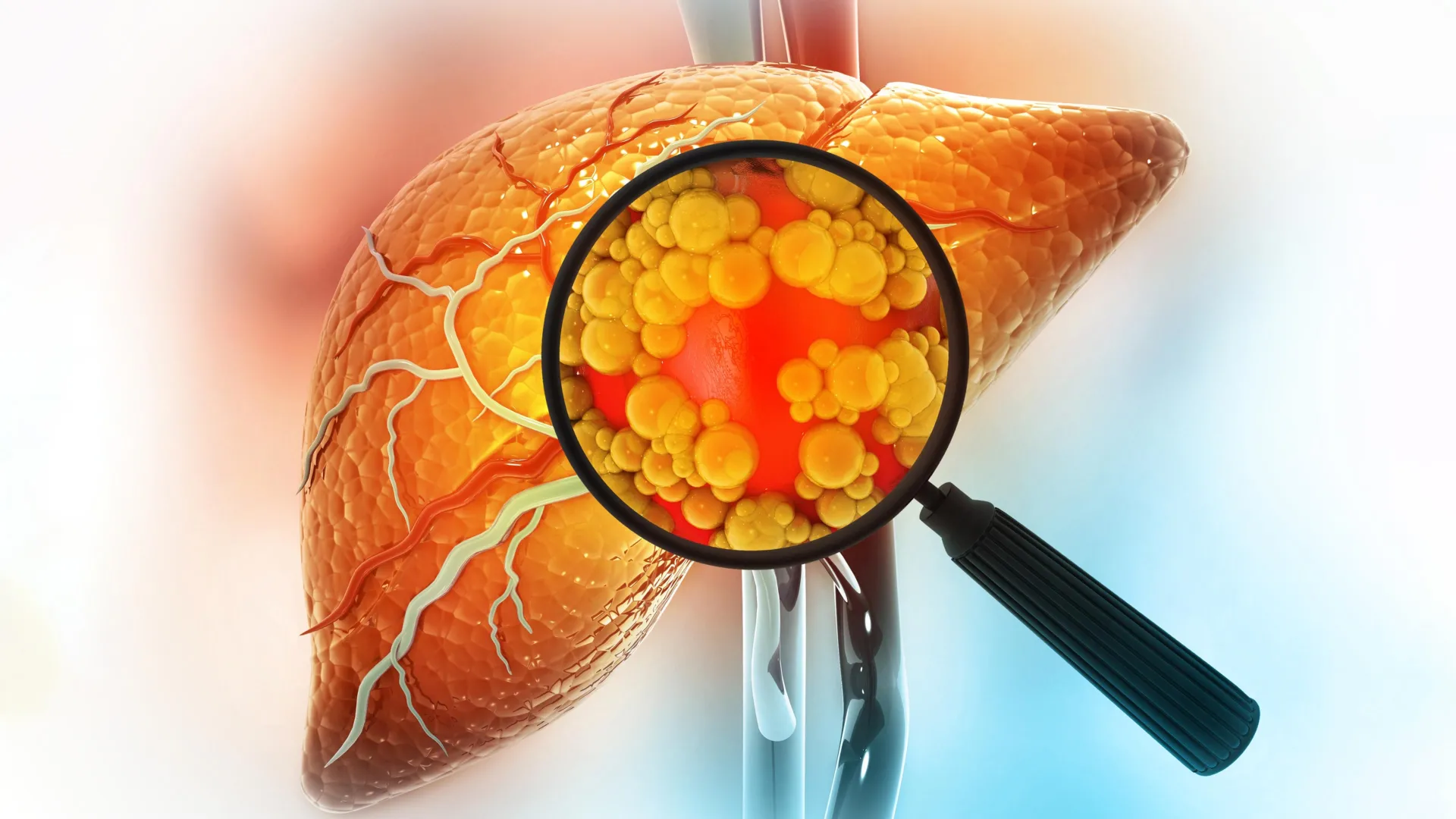
Scientists at the University of Adelaide have unearthed a critical and potentially paradoxical role for the cellular enzyme Caspase-2, challenging a prevailing assumption about its protective function against fatty liver disease. Contrary to expectations that blocking this enzyme might offer a therapeutic benefit, new research indicates that its inhibition could, in fact, heighten the risk of chronic liver damage and age-related liver cancer. This groundbreaking discovery, published in the esteemed journal Science Advances, has significant implications for the development of future treatments for metabolic liver diseases and cancer prevention.
The study’s findings reveal that the absence or inactivation of Caspase-2 leads to aberrant growth patterns in liver cells, a phenomenon that ultimately fuels inflammation, scarring, and a substantially increased propensity for developing liver cancer over time. This revelation directly confronts the growing interest within the medical community in utilizing Caspase-2 inhibitors as a strategy to manage or prevent fatty liver disease, suggesting that targeting this specific cellular pathway might carry unforeseen and detrimental long-term consequences.
Unraveling Caspase-2’s Crucial Role in Liver Cell Integrity
At the heart of this research lies the intricate function of Caspase-2. Lead researcher Dr. Loretta Dorstyn, from the Centre for Cancer Biology at the University of Adelaide, elucidated the enzyme’s dual importance. Caspase-2 is not only instrumental in maintaining the genetic stability of liver cells but also plays a distinct role in the intricate regulation of fat accumulation within the liver.
"Liver cells normally possess extra copies of genetic material, a condition known as polyploidy," Dr. Dorstyn explained. "While this feature can indeed assist the liver in coping with various stressors, our study unequivocally demonstrates that the absence of the enzyme Caspase-2 results in abnormally elevated levels of polyploidy within the liver, which proves to be damaging."
To rigorously investigate this hypothesis, the research team employed genetically modified mouse models. These models were designed to either lack the Caspase-2 enzyme entirely or carry a nonfunctional variant of it. The results were stark and consistent: liver cells in these animals exhibited unusual enlargement and displayed significant signs of genetic and cellular damage. This observation provided the initial visual and molecular evidence that Caspase-2 plays a vital role in maintaining the normal architecture and function of liver cells.
The Cascade of Long-Term Damage and Tumorigenesis
The consequences of Caspase-2 deficiency extended far beyond initial cellular abnormalities. As the genetically modified mice aged, the research team meticulously documented a progressive deterioration of liver health. "Over time, these mice developed chronic liver inflammation and exhibited characteristics typical of hepatitis-like liver disease," Dr. Dorstyn reported. "This included pronounced scarring, significant oxidative damage, and a type of cell death intrinsically linked to inflammation."
The most alarming finding emerged as the animals reached older ages: they became dramatically more susceptible to developing liver cancer. The study observed that older mice lacking functional Caspase-2 developed liver tumors at rates significantly higher than their normal counterparts. In some instances, the incidence of cancer was observed to be up to four times greater, a rate highly consistent with the development of hepatocellular carcinoma, the most common form of liver cancer.
These findings represent a significant paradigm shift, directly challenging the established assumption that inhibiting Caspase-2 would invariably lead to beneficial outcomes. Dr. Dorstyn emphasized this point: "While inhibiting this enzyme might offer protection in younger animals or potentially mitigate fatty liver disease in the short term, our study clearly demonstrates that its long-term absence is unequivocally detrimental."
The research underscores a critical function of Caspase-2 that becomes paramount with age. "Our study illustrates that Caspase-2 is indispensable for the clearance of damaged and abnormal liver cells as we age," Dr. Dorstyn stated. "In its absence, these compromised cells tend to accumulate. They can not only transform into cancerous cells but also cultivate an environment within the liver that is inherently predisposed to cancer development."
Navigating the Implications for Fatty Liver Treatments and Drug Development
The implications of this research resonate deeply within the fields of metabolic liver disease and oncology. Senior author Professor Sharad Kumar highlighted the urgent need for caution in the development of future therapeutic interventions. "There has been considerable scientific and clinical interest in targeting Caspase-2 as a potential avenue for treating metabolic liver diseases and, consequently, reducing the risk of liver cancer," Professor Kumar remarked.
"However, our data provides a stark warning," he continued. "This approach, if pursued without a comprehensive understanding of Caspase-2’s multifaceted roles, could lead to serious and unintended consequences later in life, such as an increased susceptibility to chronic liver inflammation, fibrosis, and ultimately, cancer."
The global burden of liver disease continues to escalate, driven by a confluence of factors including aging populations, rising rates of obesity, and the increasing prevalence of metabolic disorders. These conditions create a fertile ground for the development of liver-related pathologies, including cancer. According to the World Cancer Research Fund, liver cancer alone was responsible for nearly 760,000 deaths worldwide in 2022, solidifying its position as the sixth most common type of cancer globally. This alarming statistic underscores the critical need for effective and safe prevention and treatment strategies.
The study, officially titled ‘Caspase-2 deficiency drives pathogenic liver polyploidy and increases age-associated hepatocellular carcinoma in mice’, represents a significant step forward in understanding the complex biology of liver health and disease. It provides crucial data that will inform future research directions and potentially redirect therapeutic strategies away from approaches that could inadvertently exacerbate the very conditions they aim to treat.
Background Context: The Evolving Understanding of Fatty Liver Disease
Fatty liver disease, also known as hepatic steatosis, is a condition characterized by the accumulation of excess fat in the liver. It is broadly categorized into two main types: non-alcoholic fatty liver disease (NAFLD) and alcoholic fatty liver disease (AFLD). NAFLD is the more prevalent form, particularly in Western countries, and is closely associated with metabolic syndrome, which includes obesity, type 2 diabetes, high blood pressure, and abnormal cholesterol levels.
The progression of NAFLD can range from simple fatty liver, which may cause no symptoms and have little impact on liver function, to non-alcoholic steatohepatitis (NASH). NASH is a more severe form characterized by liver inflammation and damage, which can lead to fibrosis (scarring), cirrhosis (severe scarring that impairs liver function), and an increased risk of liver cancer.
Historically, therapeutic approaches for fatty liver disease have focused on lifestyle modifications, such as weight loss, dietary changes, and exercise, as well as managing underlying metabolic conditions. The exploration of pharmacological interventions has been ongoing, with researchers investigating various cellular pathways that contribute to fat accumulation, inflammation, and fibrogenesis. The interest in Caspase-2 inhibitors stemmed from preliminary research suggesting a potential role in mitigating some of these pathological processes.
Timeline of Research and Discovery
The journey leading to this significant publication likely involved several stages of research and experimentation. While the exact timeline is not provided in the original text, the scientific process generally follows a pattern:
- Initial Hypothesis Formation: Based on existing knowledge of Caspase-2’s known functions or preliminary observations, researchers might have hypothesized its involvement in liver health or disease.
- Early-Stage Experiments: This would likely involve in vitro studies using liver cell lines to assess the effects of manipulating Caspase-2 levels or activity.
- Animal Model Development: The creation and refinement of genetically modified mouse models, as described in the study, would be a crucial step to investigate in vivo effects. This process can take months to years.
- Longitudinal Studies: The research described involves observing the effects over time, particularly as the animals age. This indicates a significant duration of study, likely spanning many months.
- Data Analysis and Interpretation: Rigorous statistical analysis of the collected data would be performed to draw meaningful conclusions.
- Manuscript Preparation and Peer Review: The findings are then compiled into a scientific manuscript and submitted to a peer-reviewed journal, such as Science Advances. The peer-review process itself can take several months, involving expert scrutiny and potential revisions.
- Publication: Upon acceptance, the research is published, making the findings available to the wider scientific community.
This study’s publication in Science Advances, a journal known for publishing high-impact research across various scientific disciplines, suggests that the findings were deemed novel, significant, and robustly supported by the experimental evidence.
Supporting Data and Mechanisms
The study’s conclusion is buttressed by several key pieces of evidence and mechanistic insights:
- Pathogenic Polyploidy: The central mechanism identified is the link between Caspase-2 deficiency and excessive polyploidy in liver cells. Polyploidy refers to cells containing more than two sets of chromosomes. While some level of polyploidy is normal in certain cell types, including hepatocytes (liver cells), and can be a stress response, uncontrolled or excessive polyploidy can lead to genomic instability, cellular dysfunction, and an increased risk of transformation. The study demonstrates that Caspase-2 acts as a critical regulator, preventing this damaging over-accumulation of genetic material.
- Cellular Morphology and Damage: The observation of enlarged, genetically damaged, and cellularly compromised liver cells in mice lacking Caspase-2 provides direct visual and molecular evidence of cellular dysfunction. This is a tangible indicator of the enzyme’s role in maintaining cellular integrity.
- Inflammation and Fibrosis Markers: The development of chronic liver inflammation and fibrosis (scarring) in the deficient mice points to a sustained pathological response within the liver. These are hallmark features of progressive liver disease, leading to impaired function and increased cancer risk.
- Oxidative Stress: The presence of oxidative damage indicates that the liver cells are under increased stress, likely due to the accumulation of reactive oxygen species, which can damage DNA and other cellular components, further contributing to disease progression and cancer development.
- Tumorigenesis Rates: The stark increase in liver tumor incidence, particularly hepatocellular carcinoma, in older mice without functional Caspase-2 provides the most compelling evidence for the enzyme’s role in cancer prevention. The observed four-fold increase in cancer rates is a statistically significant and biologically meaningful outcome.
Broader Impact and Implications for Public Health
The implications of this research extend far beyond the laboratory, carrying significant weight for public health initiatives and the future direction of medical research.
- Re-evaluation of Therapeutic Targets: The study necessitates a critical re-evaluation of Caspase-2 as a therapeutic target for metabolic liver diseases. While initial hypotheses about its inhibitory benefits may have been plausible, the long-term risks highlighted by this research demand a more nuanced approach. This could mean exploring alternative targets or, if Caspase-2 inhibition is pursued, developing strategies that mitigate the identified detrimental effects.
- Drug Development Scrutiny: Pharmaceutical companies and researchers involved in developing Caspase-2 inhibitors will need to carefully consider these findings. Pre-clinical testing protocols may need to be expanded to include longer-term studies and assessments of age-related outcomes, particularly concerning liver health and cancer risk.
- Personalized Medicine Considerations: As our understanding of complex biological pathways deepens, the concept of personalized medicine gains further traction. It is possible that the role and impact of Caspase-2 might vary between individuals based on genetic predispositions, lifestyle factors, and the specific stage of liver disease. Future research could explore these individual differences.
- Public Health Messaging: While the research is conducted in animal models, it serves as a vital early warning. It underscores the complexity of biological systems and the potential for unintended consequences when intervening in fundamental cellular processes. This emphasizes the importance of continued rigorous scientific investigation before widespread adoption of novel therapeutic strategies.
- Focus on Prevention: The findings indirectly reinforce the importance of robust public health strategies aimed at preventing the onset of metabolic diseases that contribute to fatty liver. Addressing obesity, diabetes, and unhealthy dietary patterns remains a cornerstone of reducing the burden of liver disease and its associated cancers.
In conclusion, the University of Adelaide’s study on Caspase-2 represents a critical advancement in our understanding of liver biology. It not only clarifies the enzyme’s essential role in maintaining liver health and preventing age-related cancer but also provides a crucial cautionary note for the development of future therapeutic interventions. The scientific community now faces the task of building upon these findings to ensure that advancements in treating liver disease are both effective and, crucially, safe in the long term.

0 Comments