
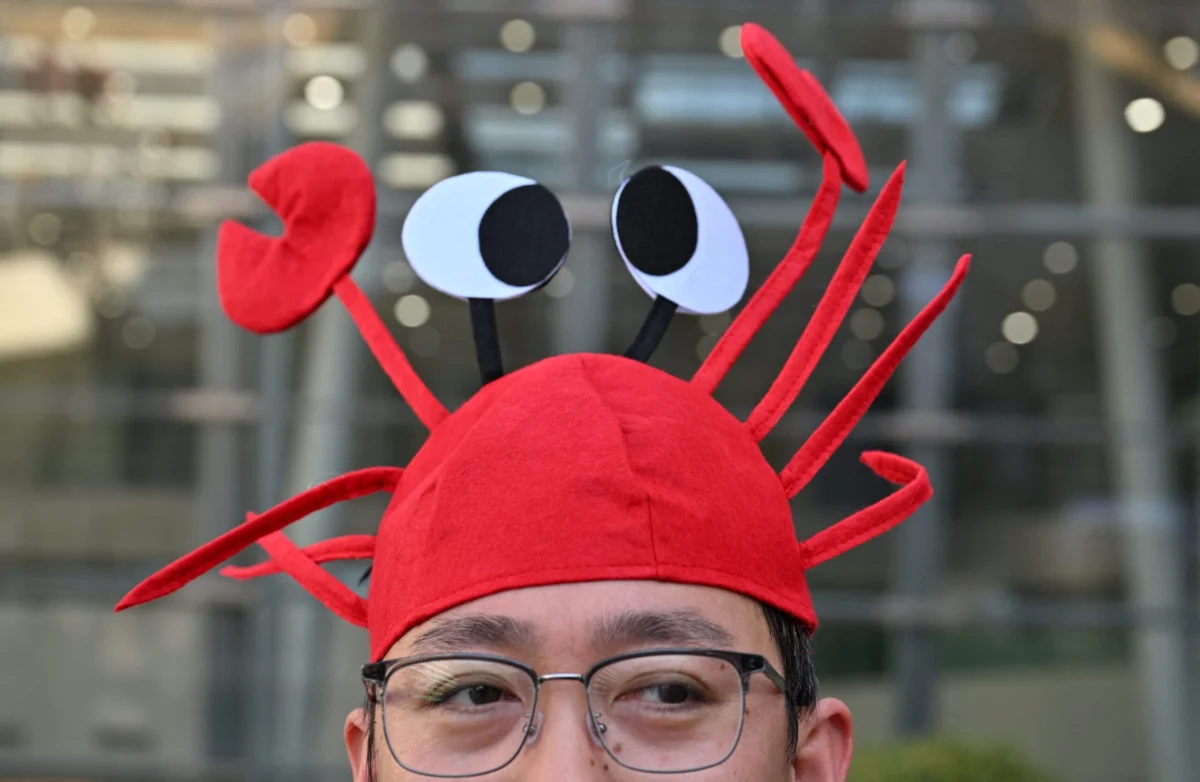
Beijing, China – March 11, 2026, marks a pivotal moment in China’s technological evolution, as the nation finds itself in the throes of an unprecedented adoption surge for OpenClaw, the open-source AI assistant. From the bustling headquarters of tech giants to the proactive initiatives of local governments, a fervent push to democratize access to this lobster-themed, artificial intelligence agent is rapidly reshaping the digital ecosystem. This widespread enthusiasm, encapsulated by images of engineers meticulously installing the software and individuals proudly sporting lobster hats at locations like the Baidu headquarters in Beijing, underscores a collective ambition to not merely participate in the global AI revolution, but to lead a significant segment of it. The fervor has been so intense that OpenClaw’s usage in China has now reportedly surpassed that of the United States, according to American cybersecurity firm SecurityScorecard, signaling a profound shift in the global AI landscape.
The Rise of AI Agents and OpenClaw’s Unique Appeal
At its core, OpenClaw represents a new frontier in artificial intelligence: the autonomous AI agent. Unlike conventional chatbots that primarily respond to direct prompts, AI agents possess the capability to undertake and complete complex tasks with minimal human intervention. This includes everything from managing email correspondence and orchestrating meeting schedules to executing restaurant reservations and automating workflow processes. Their proactive nature, however, necessitates extensive access to user data and system functionalities, inevitably raising significant privacy and security considerations – concerns that have been acknowledged even by China’s state media.
OpenClaw, initially launched in November by Austrian developer Peter Steinberger, who has since joined OpenAI in mid-February, quickly distinguished itself through its open-source nature and its whimsical, yet memorable, lobster branding. This open-source foundation allows for widespread community contributions and adaptations, fostering rapid innovation and localization, particularly appealing to China’s dynamic tech sector. The tool’s ability to facilitate requests through popular messaging platforms like Telegram and WhatsApp has also significantly lowered the barrier to entry, making sophisticated AI capabilities accessible to a broader audience.
Chinese Tech Giants Lead the Charge
The aggressive adoption of OpenClaw by China’s dominant tech players has been instrumental in fueling its meteoric rise. On March 11, 2026, the same day images of the AI agent’s installation flooded social media, Chinese tech behemoth Tencent unveiled a comprehensive suite of AI products built upon the OpenClaw framework. Dubbed "lobster special forces," these offerings are designed for seamless integration with Tencent’s ubiquitous superapp, WeChat, promising to bring advanced AI agent capabilities to hundreds of millions of users. This strategic move by Tencent highlights the critical role of platform integration in achieving mass market penetration for new technologies in China.
Concurrently, startup Zhipu AI, a significant player in China’s burgeoning AI scene, launched its localized version of OpenClaw. Their offering boasted an impressive roster of over 50 popular skills pre-installed, accessible through a "one-click installation" process. This focus on simplifying the user experience addresses a key barrier to mass adoption that experts had previously identified: the complex installation process of the original OpenClaw for non-technical users.

Other industry titans are not far behind. ByteDance’s cloud unit, Volcano Engine, introduced ‘ArkClaw,’ a web-browser accessible version of OpenClaw, entirely circumventing the need for local setup. This innovation further democratizes access, allowing users to interact with the AI agent without technical hurdles. E-commerce giant JD.com launched a dedicated service page, offering remote assistance from Lenovo’s IT maintenance team, Baiying, for a fee of 399 yuan ($58), to help users deploy the software. Similarly, Meituan, the food delivery and local services powerhouse, reportedly announced a comparable partnership with Lenovo, signaling a broader industry trend towards providing professional support for OpenClaw integration. These initiatives underscore a concerted effort by Chinese companies to not only embrace but actively facilitate the adoption of OpenClaw across various user segments.
The Economic Imperative and Domestic LLM Advancement
China’s fervent embrace of OpenClaw is deeply intertwined with its broader economic landscape and strategic national objectives. Facing ongoing economic headwinds, domestic tech companies are under immense pressure to innovate and attract paying users. OpenClaw presents a powerful opportunity, and the nationwide craze has inadvertently boosted the popularity and development of Chinese-developed large language models (LLMs).
Winston Ma, an adjunct professor at NYU School of Law, notes that autonomous AI agents like OpenClaw are typically model-agnostic, meaning they can operate with various LLMs, including those from OpenAI (ChatGPT) and Anthropic (Claude). This flexibility has proven advantageous for Chinese LLM developers. Data from OpenRouter, a platform providing developers access to AI models, reveals a striking trend: the top three LLMs utilized by OpenClaw users on its marketplace in the past month were all developed by Chinese companies. Their combined usage reportedly doubled that of the three most-used Google Gemini and Anthropic Claude models. This statistic is particularly significant given that Chinese-made AI models, while still sometimes trailing their U.S. counterparts in raw capability, have increasingly narrowed the performance gap in 2026, often offering their services at a fraction of the price. This cost-effectiveness dramatically reduces the operational expenses for users running OpenClaw, making advanced AI more economically viable for a wider demographic.
Jaylen He, CEO of Violoop, a Shenzhen-based startup developing a device with similar features to OpenClaw but with enhanced security, highlighted the burgeoning domestic market. "In terms of adopting the new technologies, I think China definitely has a really large community that always wants to try what’s there, what’s new, and don’t want to be left behind," He remarked. He further observed a significant shift in consumer willingness to pay for AI services, influenced by OpenClaw’s success and the impressive capabilities of Chinese models like MiniMax and Kimi. Violoop, which had initially focused on overseas markets for its upcoming Kickstarter launch in April, is now actively considering a simultaneous China launch, having already secured multiple rounds of initial funding this year to scale production.
Government’s Dual Strategy: Incentives Amidst Warnings
Perhaps one of the most intriguing aspects of the OpenClaw phenomenon in China is the seemingly paradoxical stance of the government. While state media outlets like Xinhua have published official warnings regarding OpenClaw’s inherent security risks – a legitimate concern given AI agents’ extensive data access – several local governments have simultaneously rolled out significant incentive programs to encourage the development and application of the AI tool.
In the past week alone, Shenzhen’s Longgang district and Hefei’s high-tech development zone announced equity financing support of up to 10 million yuan ($1.46 million), alongside direct subsidies, specifically targeting "one-person companies" utilizing OpenClaw. A district in Suzhou city followed suit with similar subsidies, complemented by offers of 30 days of free office space, accommodation, and meals. These initiatives are not merely about technology adoption; they are a strategic play to foster innovation and entrepreneurship, particularly aligned with Beijing’s recently concluded five-year plan focused on spurring domestic tech development. The term "one-person company," denoting individuals or small teams leveraging AI to rapidly build businesses, has become a popular descriptor for this new wave of entrepreneurship.

This dual approach underscores China’s pragmatic strategy: acknowledging potential risks while aggressively pursuing technological advantage and economic growth. The government appears keen to harness the transformative power of AI agents to boost productivity and foster a new generation of tech-driven businesses, even as it cautions against inherent vulnerabilities.
Global Resonance and Future Implications
The OpenClaw craze in China is not an isolated incident but rather a significant component of a global phenomenon. Its popularity is undeniable; the project has amassed more "stars" on GitHub, the premier coding platform, than Linux, a foundational open-source operating system that underpins much of modern computing. This metric is a powerful indicator of developer interest and community engagement worldwide.
Nvidia CEO Jensen Huang famously called OpenClaw "the most important software release probably ever," a testament to its disruptive potential. Jaylen He of Violoop echoed this sentiment, drawing parallels to previous watershed moments in AI: "This is like the 2022 ChatGPT moment. This is like the 2025 DeepSeek moment," he stated, adding, "I think the craving, the desire, for a personal assistant that can really help the user, the desire has been there, and has been suppressed for a very long time."
The implications of OpenClaw’s rapid proliferation in China are multi-faceted. It signals a maturation of the domestic AI ecosystem, with Chinese LLMs gaining significant traction and consumer willingness to invest in AI services growing. It also highlights China’s capacity for rapid technological absorption and adaptation, often leveraging open-source frameworks to accelerate its own innovation cycles. However, the inherent security and privacy risks associated with autonomous AI agents remain a critical challenge that will require robust regulatory frameworks and continuous technological advancements to mitigate. The balancing act between fostering innovation and ensuring data protection will define the next phase of AI development in China and beyond.
As the lobster-themed AI assistant continues its ascendance, its trajectory in China offers a compelling case study of how a nation with vast technological resources and a strategic vision can leverage global open-source innovation to drive its own domestic agenda, potentially reshaping the competitive landscape of artificial intelligence for years to come.

0 Comments