
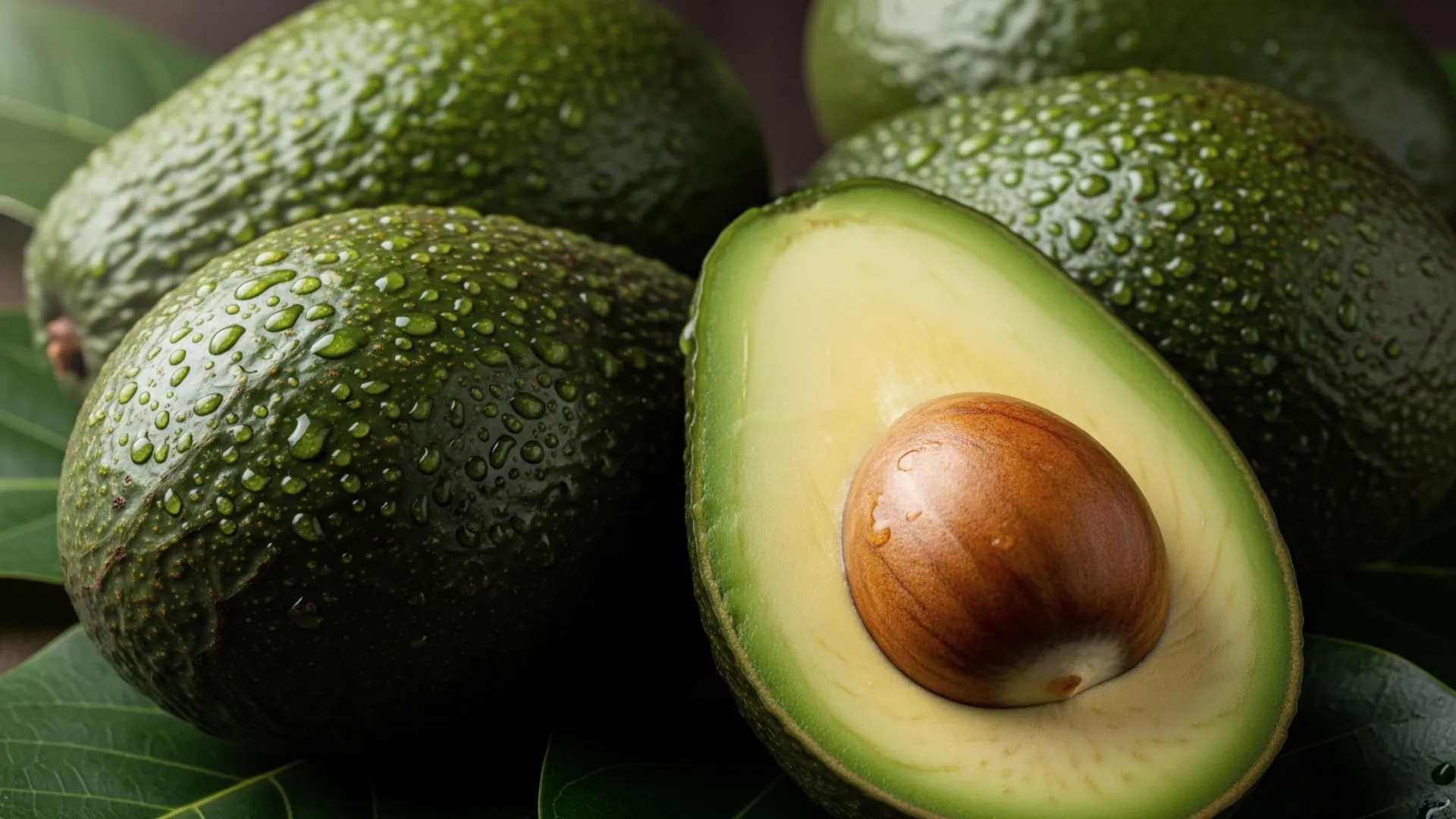
A groundbreaking study led by scientists in the Penn State Department of Nutritional Sciences has revealed that incorporating a single avocado into the daily diet of adults with obesity may lead to a modest reduction in their risk of heart disease. The findings, published in the esteemed Journal of Clinical Lipidology, suggest that this accessible dietary adjustment could serve as a valuable starting point for individuals seeking to improve their cardiovascular health.
The research specifically identified a significant link between daily avocado intake and a decrease in the concentration of low-density lipoprotein (LDL) particles in the bloodstream. LDL particles are the primary carriers of cholesterol throughout the body, and a reduction in their numbers is a key indicator of improved heart health. The study’s analysis indicated that the observed decrease in LDL particle concentration was associated with an estimated 4% reduction in overall heart disease risk.
"If people want to improve the quality of their diet, making one small change might be a more feasible strategy than attempting to change their entire diet," stated Janhavi Damani, a postdoctoral scholar at Penn State and the first author of the study. "For people with obesity, including avocados in their daily diet might be a good starting place." This sentiment highlights the practicality of the research, suggesting that significant health benefits may be achievable through simple, manageable dietary modifications.
Understanding the Nuances of LDL Particle Count
It is crucial to distinguish between LDL particle count and LDL cholesterol, often colloquially referred to as "bad cholesterol." While both are recognized as contributors to cardiovascular disease, LDL particle concentration offers a more refined measure of risk that might not be fully captured by a standard cholesterol test. The researchers emphasized that this heightened risk, particularly related to LDL particle count, is often more pronounced in individuals with abdominal obesity.
Cholesterol, by its nature, cannot traverse the bloodstream independently. It relies on protein particles, such as LDL, for transport. Consequently, individuals with a higher number of LDL-carrying particles may face an elevated risk of heart disease, even if their total LDL cholesterol levels appear comparable to those with fewer particles.
Damani elaborated on this distinction with a compelling analogy: "Imagine two people with the same high levels of LDL cholesterol. Person A carries their cholesterol in fewer, larger LDL particles, and Person B carries their cholesterol in more, smaller LDL particles. Person B’s heart disease risk would be higher because their overall particle count is higher even though a test of their LDL cholesterol would look identical." This highlights the critical role of particle size and quantity in assessing cardiovascular risk.
The biological mechanism behind this heightened risk is linked to the ability of smaller LDL particles to penetrate artery walls more readily. Once inside the artery wall, these particles can contribute to the formation of plaque, a fatty deposit that narrows and stiffens blood vessels. This narrowing and stiffening process impedes the flexible flow of blood, placing additional strain on the cardiovascular system. The implications of this are particularly concerning during periods of increased demand on the heart, such as during exercise, exposure to extreme heat, or periods of stress. In such situations, less flexible blood vessels may struggle to accommodate the surge in blood flow, leading to a sharper rise in blood pressure and potentially increasing the likelihood of a cardiac event, such as a heart attack.
The Habitual Diet and Avocado Trial: A Closer Look
The current analysis drew data from the comprehensive Habitual Diet and Avocado Trial (HDAT), a six-month study that enrolled 786 participants aged 25 and older. The inclusion criteria for men were specific, requiring a waist circumference greater than 40 inches, while women were eligible if their waist circumference exceeded 35 inches. These parameters were chosen to focus on individuals with abdominal obesity, a known risk factor for cardiovascular disease.
The HDAT study was designed with a control group and an intervention group. Participants in the control arm were instructed to maintain their usual dietary habits and physical activity levels throughout the study period. In contrast, the intervention group, while also maintaining their normal routines, was tasked with consuming one avocado daily. This controlled yet real-world dietary intervention allowed researchers to isolate the specific impact of avocado consumption.
Previous findings from the HDAT had already indicated that while incorporating a daily avocado did not lead to significant reductions in body weight or waist circumference among participants with obesity, it did appear to have a positive effect on LDL cholesterol levels. The current study aimed to delve deeper, examining the impact on the more granular measure of LDL particle concentration.
Quantifying the Benefits: Daily Avocados and LDL Particle Reduction
The researchers meticulously compared blood samples collected from participants at the commencement and conclusion of the six-month HDAT study. The results revealed a significant trend: among the participants assigned to consume one avocado per day, there was a notable decline in LDL particle concentrations. Specifically, these concentrations fell by an average of 49 nanomoles per liter.
This observed reduction in LDL particle count translates into a tangible estimated 4% decrease in heart disease risk. While this figure represents a modest improvement when compared to the more substantial risk reductions (14-29%) associated with comprehensive dietary overhauls, Damani emphasized its significance: "Four percent is a modest reduction compared with the 14-29% lower heart disease risk associated with improving the overall diet. However, it is a step in the right direction." This perspective underscores the value of incremental progress in health management, particularly for individuals facing chronic health challenges.
An encouraging aspect of the findings was the consistency of the observed improvement in LDL particle levels across the diverse participant group. The study found that factors such as sex, race, ethnicity, age, and body mass index did not significantly influence the likelihood of experiencing this cardiovascular benefit. This broad applicability suggests that adults with obesity from a wide range of demographic backgrounds could potentially reap the rewards of incorporating avocados into their daily meals.
Despite these positive findings, the researchers offered a word of caution, advising individuals to consult with a registered dietitian nutritionist or physician before implementing any significant dietary changes. Personalized guidance is essential to ensure that dietary adjustments align with individual health needs and existing medical conditions.
Real-World Impact: Avocados in Uncontrolled Diets
This latest research builds upon a foundation of prior work conducted at Penn State, which had also demonstrated the capacity of avocado consumption to lower both LDL cholesterol and LDL particle levels. However, a key distinction of the earlier experiments was the highly controlled dietary environment. In those previous studies, researchers meticulously managed every aspect of the participants’ diets throughout the duration of the experiment.
Kristina Petersen, an associate professor of nutritional sciences and the senior author of the current study, highlighted the significance of this new research’s "real-world" applicability: "Penn State researchers demonstrated several years ago that avocado consumption could reduce LDL cholesterol and levels of LDL particles. But in that study, the researchers controlled participants’ entire diets throughout the experiment. This study demonstrated benefits in the real world, where people’s diets are much less predictable. In the course of people’s normal lives, avocado consumption still contributes to a healthier diet." This emphasis on real-world dietary patterns is crucial for translating scientific findings into practical, sustainable health recommendations.
The implications of this research extend beyond mere statistical significance. It suggests that a single, easily manageable dietary change—the daily inclusion of an avocado—can contribute to an improved measure of cardiovascular health, even when the remainder of an individual’s diet is not meticulously curated. While the observed benefit is modest and did not result in weight loss, it represents a tangible step forward in the ongoing effort to promote better heart health within populations at higher risk.
The study’s contributions were further enriched by the involvement of Penny Kris Etherton, retired Evan Pugh University Professor of Nutritional Sciences at Penn State. Additional co-authors on the research include Nirupa Matthan from the Jean Mayer USDA Human Nutrition Research Center on Aging at Tufts University; Zhaoping Li from the David Geffen School of Medicine at the University of California, Los Angeles; Joan Sabaté from the School of Public Health at Loma Linda University; and David Reboussin from the Wake Forest University School of Medicine. The research was generously supported by the Avocado Nutrition Center, underscoring the growing interest and investment in understanding the health benefits of this popular fruit.

0 Comments