
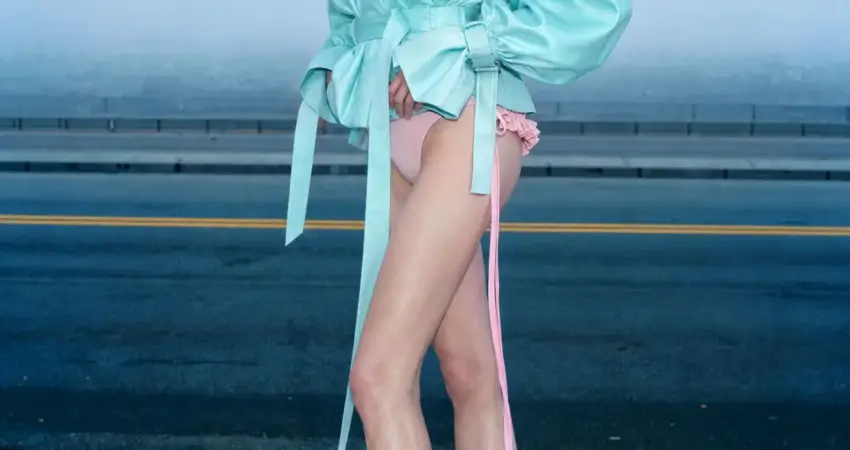
The Spring 2027 runway presentation by David Koma marked a significant evolution for the London-based designer, as he navigated the complex intersection of high-performance athleticism and theatrical femininity. Centered on the paradoxical concept of "cool summers," the collection drew its primary inspiration from the competitive arena of 1990s figure skating. By focusing on the discipline’s rigorous technical requirements and its flamboyant visual language, Koma delivered a series of garments that sought to reconcile the "determination and rawness" of the athlete with the shimmering artifice of the performer. The result was a sophisticated exploration of movement, utilizing sharp-edged tailoring, intricate hand-beading, and avant-garde structural elements to redefine the brand’s aesthetic for a broader global audience.
The Artistic Inspiration: Tonya Harding and the Nineties Aesthetic
At the heart of the Spring 2027 collection lay an unlikely muse: Tonya Harding. Rather than focusing on the well-documented controversies of her career, Koma looked toward the aesthetic duality Harding represented during the early to mid-1990s. This era of figure skating was characterized by a specific type of "theatrical femininity"—an aesthetic where rhinestones, spandex, and sheer paneling were used to mask the immense physical strain and precision required by the sport. Koma’s interest in Harding specifically stemmed from her reputation as a powerhouse athlete who often clashed with the traditional, polished image of the "ice princess."
This "rawness," as Koma described it, was translated into the collection through a series of "warm-up" layers that transitioned into "rink reveal" showpieces. The narrative of the show followed the chronological progression of a skater’s day, starting with technical outerwear and knitwear before culminating in high-octane evening wear. By channeling the grit of the training rink alongside the glamour of the competition floor, the designer aimed to capture the "centrifugal force" inherent in the sport, animating the human form through garment construction.
Materiality and Color: A Study in Contrast
The color palette for the season was meticulously curated to reflect the icy environment of the rink while maintaining the warmth required for a spring/summer commercial cycle. The foundation of the collection was built on inky blacks and milky ivories, providing a stark, high-contrast base for more adventurous hues. These were punctuated by "sugary" shades, including a distinctive minty blue and a soft candyfloss pink. These pastel tones were applied to technical fabrics, such as a structured bomber jacket with a precision-engineered neckline, ensuring that the colors remained modern rather than purely decorative.
Textural diversity played a crucial role in the collection’s success. Koma utilized a variety of materials to mimic the visual effects of ice and motion. Metallic column gowns provided a reflective, mirror-like quality reminiscent of a freshly resurfaced rink, while silk fringe and feather plumes were employed to create organic movement. One of the more innovative uses of texture involved skirts that were fringed or gathered to resemble the "scrunchie" hair accessories ubiquitous in 1990s athletic culture. This nostalgic nod was elevated through high-end fabrication, turning a kitsch accessory into a sophisticated design motif.
Technical Innovation and Compulsory Figures
A standout element of the Spring 2027 collection was Koma’s fascination with "compulsory figures." In the history of figure skating, these were the painstaking circles and figure-eight patterns that skaters were required to carve into the ice with extreme precision. While these were removed from international competition in 1990, their legacy of discipline and geometric accuracy served as the blueprint for Koma’s embroidery and cutouts.
One notable piece, a black minidress, featured these concentric forms rendered in hand-beaded crystals. At the center of these crystalline circles were mother-of-pearl inserts, applied with the precision of fine jewelry. This geometric theme extended to the architecture of the garments themselves. Hipbone cutouts were designed to "bloom" with fringe, and internal metal constructions were used to pull and gather fabric in ways that mimicked the torque of a skater in mid-spin.
Koma’s use of internal boning was particularly influential this season. Rather than using boning solely for corsetry or support, he employed it to extend fabric away from the body, creating architectural silhouettes that seemed to vibrate even when the model was at rest. This technique allowed for the support of heavy shimmering layers of silk fringe, creating a sense of "showtime dynamism" that stayed true to the designer’s signature sharp-edged tailoring.
Chronology of the Collection: From Training to the Podium
The runway show was structured to reflect the lifecycle of a professional athlete’s performance. The opening looks focused on elevated "athleisure" and sophisticated separates. These included sculpted, boned bodysuits that abbreviated the traditional skating silhouette, paired with technical outerwear. As the show progressed, the layers were metaphorically "stripped away," revealing the more decorative and ceremonial aspects of the wardrobe.
- The Warm-Up Phase: Introduction of mint blue bombers, technical knits, and "scrunchie" skirts. This phase established the functional, athletic foundation of the collection.
- The Precision Phase: Introduction of the "compulsory figure" embroidery and geometric cutouts. Focus on the hand-beaded crystal work and mother-of-pearl detailing.
- The Performance Phase: The debut of metallic column gowns and dresses featuring internal boning. This segment highlighted the "organic movement" Koma sought to achieve through fringe and feathers.
- The After-Hours Phase: A shift toward "ready-to-wear separates" designed for the David Koma woman’s life beyond the red carpet, incorporating high-glamour hallmarks into knitwear and layering pieces.
Market Positioning and Strategic Shift
The Spring 2027 collection signals a broader strategic shift for the David Koma brand. Known primarily for red-carpet dressing and high-octane evening wear, the label is now moving toward a more comprehensive lifestyle offering. By embedding glamour into ready-to-wear separates and knitwear, Koma is responding to a shifting luxury market where consumers are seeking versatility without sacrificing the brand’s core identity of "glamour as a form of strength."
Industry analysts note that this diversification is essential for brand longevity in an increasingly competitive luxury landscape. By expanding into different categories and occasions, Koma is making his "vision" more accessible to a global clientele who may not require a gala gown but desire the designer’s specific brand of sharp, empowered femininity. "It’s becoming harder to define the David Koma woman, and I think that’s important," Koma stated during a post-show briefing. This ambiguity suggests a move toward a more inclusive, character-driven approach to design, where the wearer’s personal context dictates how the garment is interpreted.
Supporting Data and Production Details
The production of the Spring 2027 collection involved significant artisanal labor, particularly in the realm of embellishment. Reports from the atelier indicate that the "compulsory figure" minidress alone required over 150 hours of hand-beading. The use of mother-of-pearl was sourced from sustainable suppliers, aligning with the industry’s increasing focus on ethical material procurement.
Furthermore, the "internal metal constructions" used to gather fabric were developed in collaboration with specialized hardware manufacturers. These components were designed to be lightweight yet durable, ensuring that the garments maintained their "centrifugal" shape throughout wear. This focus on "technical necklines" and "sculpted silhouettes" highlights Koma’s commitment to precision engineering in fashion, a trait that mirrors the discipline of the skaters he admires.
Broader Implications for the Fashion Industry
Koma’s Spring 2027 collection arrives at a time when the "sport-luxe" trend is evolving from simple streetwear collaborations into more sophisticated, couture-adjacent interpretations. The integration of high-performance athletic references into formal wear suggests a growing consumer appetite for clothing that reflects both physical capability and aesthetic refinement.
The collection also touches upon the ongoing revival of 1990s aesthetics, but does so through a lens of "rawness" rather than pure nostalgia. By focusing on the "determination" of figures like Tonya Harding, Koma contributes to a cultural re-evaluation of that era’s female icons, moving past the sensationalism of the past to find inspiration in their resilience and strength.
Conclusion and Future Outlook
As the David Koma brand looks toward the remainder of the 2027 fiscal year, the success of the Spring collection will likely be measured by its performance in the ready-to-wear sector. The designer’s ability to "animate the body" while providing practical, layered options for diverse occasions positions the brand for continued growth in key markets such as North America and East Asia.
The Spring 2027 show was more than a tribute to a sport; it was a demonstration of how technical mastery can be used to create an emotional and visual spectacle. By sticking the landing with his signature feathers and tailoring, while simultaneously introducing new architectural elements and a broader range of separates, David Koma has reinforced his position as a designer capable of translating complex athletic narratives into a powerful, wearable reality. The "David Koma woman" may be harder to define than ever before, but she remains unmistakably defined by a sense of strength, precision, and unapologetic glamour.

0 Comments