
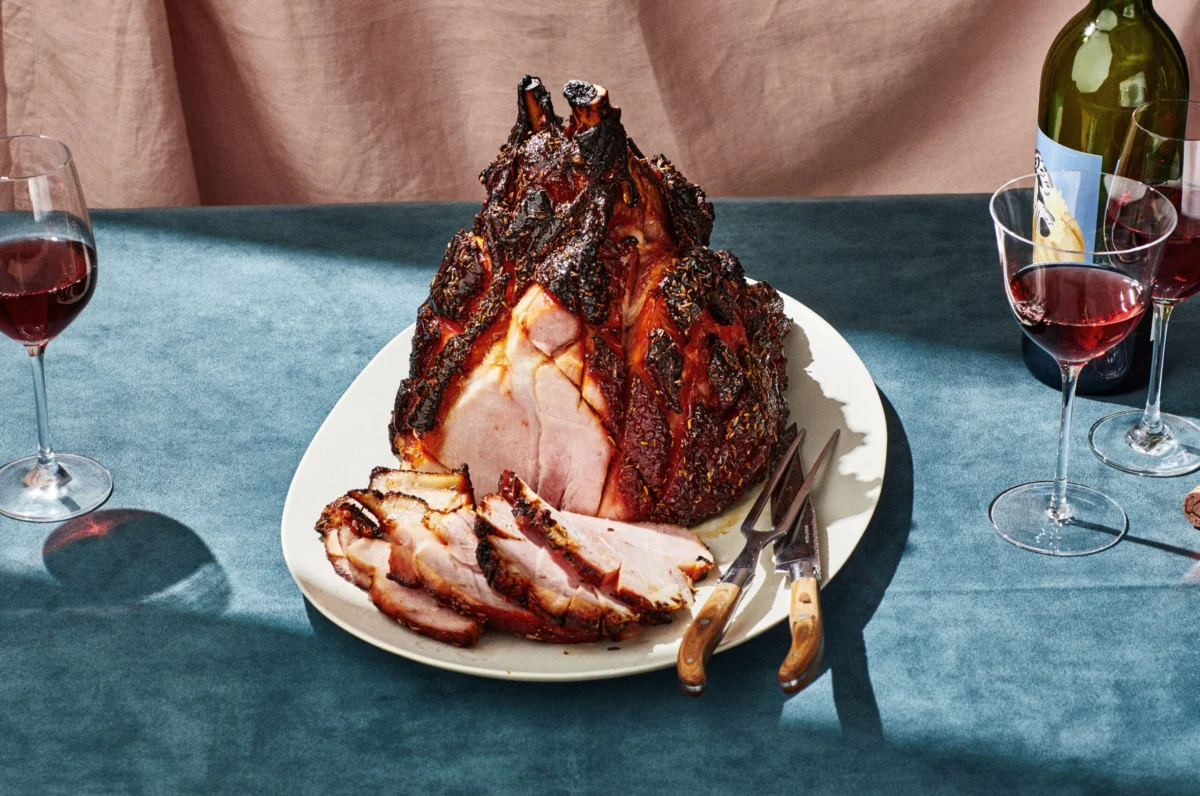
Easter dinner, unlike its more rigidly defined counterparts such as Thanksgiving, presents a unique opportunity for culinary creativity and personalization. While traditional anchors like honey-baked ham or roast lamb leg remain popular choices, a growing number of hosts are embracing the spirit of spring by incorporating lighter, fresher fare and vibrant, seasonal side dishes. This inherent flexibility, while contributing to the holiday’s charm, can also present a challenge for those tasked with menu planning. This article serves as a comprehensive guide to constructing a memorable Easter feast, encompassing a diverse array of main courses, complementary sides, refreshing salads, and artisanal breads, designed to facilitate a stress-free and celebratory meal that families will cherish and recreate for years to come. The prevailing sentiment among culinary experts and home cooks alike is to embrace abundance, blending beloved Easter recipes with exciting new discoveries to create a table laden with dishes that embody the joy and renewal associated with the holiday.
The Evolving Landscape of Easter Dining
The culinary traditions surrounding Easter have undergone a significant evolution over the decades, reflecting broader societal shifts in dietary preferences, ingredient availability, and a heightened interest in global cuisines. Historically, Easter meals in many Western cultures centered on lamb, a symbol of sacrifice and rebirth in Christian tradition, often prepared as a roasted leg or shoulder. Ham, particularly glazed varieties, also became a popular alternative, offering a sweeter and more accessible protein option. These traditional dishes provided a comforting and familiar framework for family gatherings, reinforcing shared cultural heritage.
However, the 21st century has witnessed a diversification of Easter menus. The increasing availability of diverse produce year-round, coupled with a growing emphasis on health and wellness, has encouraged a move towards lighter, more vegetable-forward dishes. Springtime ingredients, such as asparagus, peas, radishes, and fresh herbs, are now frequently featured, lending a vibrant freshness to the table. This shift is not merely a trend but a reflection of a more conscious approach to food, where seasonality and ingredient quality are paramount. Data from recent culinary surveys indicate a steady increase in the popularity of vegetarian and pescatarian main courses for Easter, alongside a continued, albeit less dominant, presence of traditional meat options. This suggests a growing desire for inclusivity and catering to a wider range of dietary needs and preferences within family gatherings.
Crafting the Perfect Easter Menu: A Strategic Approach
The art of planning an Easter dinner lies in striking a balance between cherished traditions and innovative culinary explorations. The goal is to curate a menu that is both cohesive and celebratory, offering a variety of textures, flavors, and colors that delight the palate and engage the senses.
Main Course Selections: Tradition Meets Modernity
While the classic honey-baked ham and roast lamb leg continue to hold a special place in many Easter celebrations, the modern Easter table is increasingly showcasing a broader spectrum of main dishes. For those who appreciate the comforting familiarity of tradition, a slow-roasted lamb leg infused with aromatic herbs like rosemary and thyme, or a succulent spiral ham glazed with a complex blend of brown sugar, mustard, and perhaps a hint of spice, remains an excellent choice. These dishes, often requiring hours of preparation, symbolize the dedication and love poured into the holiday meal.
However, the culinary landscape has expanded to embrace a wider array of proteins and even plant-based alternatives. For a lighter yet still celebratory option, consider a pan-seared salmon with a lemon-dill sauce, or a delicate baked cod with spring vegetables. For hosts seeking a more adventurous yet equally impressive centerpiece, a whole roasted chicken marinated in herbs and citrus, or even a sophisticated individual portion of duck confit, can offer a unique twist.
The rise of plant-based diets has also significantly influenced Easter menus. A hearty lentil shepherd’s pie topped with creamy mashed sweet potatoes, a robust mushroom and vegetable Wellington, or a vibrant quinoa and roasted vegetable bake can serve as compelling and satisfying main courses that cater to vegetarian and vegan guests, ensuring everyone feels included in the festive meal. The key is to select a main dish that can be prepared with minimal last-minute fuss, allowing the host to engage with guests rather than remaining solely in the kitchen.
The Supporting Cast: Side Dishes That Shine
Side dishes are the unsung heroes of any holiday feast, and Easter is no exception. They offer an opportunity to introduce a symphony of flavors and textures that complement the main course and celebrate the bounty of spring.
Vegetable Delights: Asparagus, a quintessential spring vegetable, can be prepared in myriad ways. Blanched and tossed with a lemon-butter sauce, roasted with garlic and Parmesan, or incorporated into a creamy asparagus gratin, it offers a fresh, slightly bitter counterpoint to richer main dishes. Other spring favorites include tender green beans, often prepared with slivered almonds for added crunch, or a vibrant medley of spring peas, fava beans, and chopped mint. Roasted root vegetables, such as carrots, parsnips, and new potatoes, tossed with olive oil and herbs, provide a grounding sweetness and earthy depth.
Starchy Staples: Beyond the traditional mashed potatoes, consider variations such as a creamy scalloped potato gratin, a savory potato and leek soup, or even a delicate rice pilaf studded with fresh herbs. For a touch of elegance, a wild rice and mushroom casserole can be an excellent addition.
The Bread Basket: Freshly baked bread is a welcome addition to any holiday table. A crusty baguette, a soft brioche, or even homemade hot cross buns can elevate the dining experience. For a more rustic touch, a whole grain sourdough or a hearty focaccia infused with rosemary and sea salt would be equally delightful.
Salads: A Breath of Fresh Air
Salads on an Easter menu should not be an afterthought but rather a vibrant component that adds brightness and a refreshing contrast to the richer dishes. Move beyond the simple green salad and embrace the season’s offerings.
A spring salad featuring mixed greens, strawberries, goat cheese, and a balsamic vinaigrette offers a delightful interplay of sweet and savory. Another option is a refreshing cucumber and dill salad, or a vibrant orzo pasta salad with sun-dried tomatoes, olives, and feta cheese. For a heartier salad that can almost stand as a light main course, consider a quinoa salad with roasted vegetables and a lemon-tahini dressing. The key is to utilize fresh, seasonal produce and light, zesty dressings that awaken the palate.
The Chronology of an Easter Feast: From Planning to Presentation
The success of an Easter dinner often hinges on meticulous planning and strategic execution. The timeline typically begins weeks in advance, with menu finalization and grocery list creation.
Four Weeks Out: Begin brainstorming menu ideas, considering guest preferences and dietary restrictions. Research recipes and gather inspiration.
Two Weeks Out: Finalize the menu. Create a detailed grocery list, categorizing items by perishability. Order any specialty ingredients or hard-to-find items. Plan the serving dishes and any necessary table linens.
One Week Out: Begin purchasing non-perishable pantry items and beverages. If making any components ahead of time, such as a fruitcake or certain dressings, start those preparations.
Three to Four Days Out: Purchase fresh produce and any dairy or meat items that have a longer shelf life. Marinate meats or prepare any components that can be made in advance and refrigerated.
One to Two Days Out: Purchase remaining fresh ingredients. Prepare any make-ahead side dishes or desserts that will hold well. Set the table.
Easter Morning: Begin cooking the main course and any dishes that require significant cooking time. Prepare salads and assemble any last-minute components.
An Hour Before Serving: Finish cooking all dishes. Warm any make-ahead items. Arrange food on serving platters.
This structured approach minimizes last-minute stress and allows the host to fully enjoy the company of their guests.
Background Context and Cultural Significance
Easter, a Christian festival celebrating the resurrection of Jesus Christ, holds profound religious and cultural significance for billions worldwide. Its origins are deeply rooted in ancient traditions, with many customs evolving from pre-Christian spring festivals that celebrated fertility and renewal. The date of Easter is determined by a lunisolar calendar, falling on the first Sunday after the full moon that occurs on or after the vernal equinox, making it a movable feast. This variable timing adds another layer of complexity to holiday planning, as it can fall as early as March 22 or as late as April 25.
The act of sharing a meal is central to Easter celebrations, symbolizing community, family bonds, and the abundance of the season. The specific foods served often carry symbolic meaning, though these interpretations can vary across cultures and denominations. The lamb, as previously mentioned, is a potent symbol of Christ as the sacrificial lamb. Eggs, another prominent Easter symbol, represent new life and rebirth, a tradition that predates Christianity and was adopted by early Christians. The practice of decorating and consuming eggs has become a beloved pastime for many.
Broader Impact and Implications
The way individuals and families celebrate holidays like Easter has broader implications for social cohesion, cultural transmission, and even the economy. Food plays a pivotal role in these celebrations, acting as a vehicle for shared experiences and the reinforcement of traditions. The increasing diversity in Easter menus reflects a broader societal trend towards inclusivity and a greater appreciation for different culinary influences.
From an economic perspective, the demand for specific ingredients and food products associated with Easter can significantly impact agricultural sectors and the food retail industry. Seasonal produce, lamb, ham, and confectionery items all experience heightened demand during this period. Furthermore, the emphasis on home-cooked meals can stimulate the sales of kitchenware, cookbooks, and other related products.
The act of gathering for a meal also has profound psychological and social benefits. It provides an opportunity for intergenerational connection, allowing older generations to pass down culinary traditions and family stories to younger ones. In an increasingly digital world, these in-person gatherings foster a sense of belonging and strengthen familial bonds. The flexibility inherent in Easter dining allows for greater participation from individuals with diverse dietary needs, promoting a more inclusive and welcoming environment for all. As culinary trends continue to evolve, Easter dinner will undoubtedly remain a dynamic and cherished occasion, adapting to new tastes while honoring enduring traditions.

0 Comments