
The landscape of contemporary New York fashion is currently witnessing a significant paradigm shift, centered in the Lower East Side, where Emily Dawn Long has emerged as a pivotal figure in the city’s independent design scene. Characterized by a blend of chaotic charisma and astute market instinct, Long has transitioned from a creator of viral accessories to a double nominee for the Council of Fashion Designers of America (CFDA) awards. Her Spring 2027 collection, unveiled through both a cinematic short film and an immersive showroom experience, solidifies her status as a "world-builder" whose influence extends beyond traditional garment construction. By blending the "if you know, you know" (IYKYK) exclusivity of the Dimes Square micro-culture with high-level industry recognition, Long is redefining the trajectory of the modern American designer.
The Strategic Trajectory of Emily Dawn Long: From Viral Hits to CFDA Recognition
The ascent of Emily Dawn Long is a case study in the power of organic brand building in the digital age. Unlike traditional labels that launch with full seasonal collections, Long’s business began with targeted, high-impact items that captured the zeitgeist of the early 2020s. Her initial success was rooted in a kooky, conical knit hat that became a staple of the downtown aesthetic, followed by a series of vintage-inspired, screen-printed T-shirts featuring provocative slogans such as “Spoiled Boys” and “Take Off Your Clothes.” These items served as entry points into a brand universe that prioritizes humor, sex appeal, and a specific brand of irreverent nostalgia.
This grassroots success has recently been validated by the highest echelons of the American fashion industry. Long is currently a finalist for the CFDA/Vogue Fashion Fund and a nominee for the CFDA Award for Emerging Designer of the Year. These accolades place her in the company of past winners who have gone on to define global fashion, such as Proenza Schouler and Altuzarra. The transition from a local maker to a nationally recognized designer is further evidenced by her high-profile clientele. Figures such as Zendaya, Pedro Pascal, Justin Bieber, Jeremy Allen White, and Kaia Gerber have been photographed in her designs, providing the kind of earned media exposure that is critical for independent labels operating without massive marketing budgets.
The Spring 2027 Collection: Technical Execution and Thematic Exploration
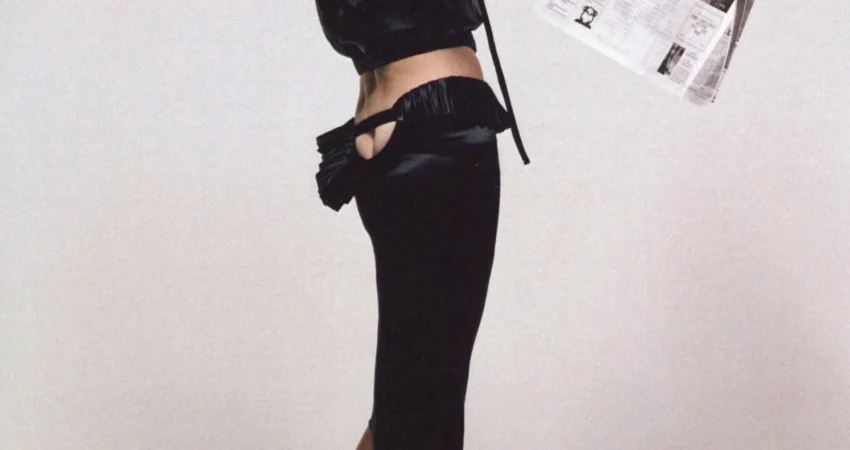
For the Spring 2027 season, Long presented a collection that she described as a “case study on folds.” This technical focus moved her work into a more sophisticated realm of pattern making, moving beyond the graphic-heavy aesthetic of her early work. The collection explored the structural possibilities of the ruffle, the pleat, and the cockade—a traditional fabric rosette often used in historical military or political badges.
The collection’s physical manifestation included silk dresses and T-shirts featuring screen-printed imagery of folded fabric, creating a meta-commentary on the materials themselves. One of the standout elements was the use of heavy ruffles to edge deep, low-cut backless dresses. Long refers to this specific silhouette as featuring “Southern cleavage,” a nod to her upbringing outside Atlanta, Georgia. This play on the "gluteal cleft" or butt crack was a recurring motif, appearing not only in dresses but also in denim featuring keyhole dips at the rear waistline.
The collection also drew heavily from 1980s and 90s cinematic aesthetics. Long cited the Hawaiian shirts worn by Leonardo DiCaprio in Baz Luhrmann’s Romeo + Juliet and photographs of Bruce Willis as primary inspirations. This was complemented by cropped cargo jackets made of coated nylon and garment-dyed in hues reminiscent of Miami Vice. The result is a collection that feels both archival and contemporary, blending the insouciance of youth culture with a refined understanding of color and texture.
The Crack of Dawn: Cinematic Storytelling in Fashion Marketing
In lieu of a traditional runway show, Long opted to debut the Spring 2027 collection via a short film titled The Crack of Dawn. The film serves as a "lively caper," following a series of rings as they are passed through a network of Lower East Side micro-celebrities and creative figures. This choice reflects a broader industry trend toward digital storytelling, which allows designers to control the narrative and atmosphere of their collections more precisely than a live event.
The film serves two purposes: it showcases the garments in motion—emphasizing the way the ruffles and folds interact with the body—and it reinforces the brand’s connection to its geographical and social roots. By featuring local figures rather than traditional runway models, Long leans into the authenticity that her customer base craves. This strategy mirrors her previous collaboration with A24, the independent film studio known for its cult following, further positioning the Emily Dawn Long brand at the intersection of fashion, film, and art.
The Business of the Maker: The Lower East Side Creative Hub
The headquarters of Emily Dawn Long’s operations in the Lower East Side has evolved into a multifaceted creative hub. The space now includes a drop-in retail store, a professional showroom, an administrative office, and various studios for product development. This physical expansion is a testament to the brand’s financial viability and its commitment to a "maker" philosophy.
Long’s output is not limited to apparel. Her workspace is a revolving door of prototypes, ranging from leather cigarette cases and lighter holders to zipped cube bags and square beanbag chairs. This diversification into lifestyle and accessory categories is a strategic move that many independent designers are adopting to build brand loyalty and increase revenue streams. “My brain is always firing,” Long stated regarding her prolific output. This constant state of creation, supported by a dedicated team, allows the brand to remain agile in a fast-moving market where consumer interests shift rapidly.
Data and Market Analysis: The Rise of Niche Independent Labels
The success of Emily Dawn Long reflects a wider shift in the luxury market. According to recent retail data, consumers in the 18–35 demographic are increasingly moving away from "mega-brands" in favor of independent labels that offer a sense of community and unique identity. Market analysts have noted a 15% increase in the market share of independent designer brands within the New York fashion ecosystem over the last three fiscal years.
Key factors contributing to this growth include:
- Direct-to-Consumer (DTC) Efficiency: By utilizing social media and localized retail spaces, designers like Long can maintain higher margins and direct relationships with their customers.
- The "Celebrity-to-Community" Pipeline: While celebrity sightings drive initial brand awareness, the long-term sustainability of the brand is built on its integration into specific cultural niches (e.g., the Dimes Square set).
- Aesthetic Humor: In an era of "quiet luxury" and serious minimalism, there is a growing demand for "humorous sexy" clothing—items that are provocative but don’t take themselves too seriously.
Broader Implications for the New York Fashion Industry
The nomination of Emily Dawn Long for two CFDA awards signals a shift in what the industry considers "emerging." It is no longer just about the ability to design a cohesive collection; it is about the ability to build a brand that resonates on a cultural level. Long’s success suggests that the future of New York fashion may lie in these smaller, highly integrated "world-builders" who can navigate the complexities of production, digital marketing, and community engagement simultaneously.
Furthermore, the focus on the Lower East Side as a fashion center challenges the traditional dominance of the Garment District and Midtown. As designers like Long establish permanent roots in the LES—creating jobs and revitalizing retail spaces—they are shifting the city’s creative geography. The "Dimes Square" phenomenon, often criticized as a fleeting social trend, is proving to have real economic and industrial staying power through the success of brands like Emily Dawn Long.
Conclusion: The Future of the Brand
As Emily Dawn Long prepares for the potential of a CFDA win, the focus remains on expansion and refinement. The Spring 2027 collection demonstrates a designer who is growing in technical confidence without losing the "mischievous" edge that garnered her initial fame. With a robust team and a clear vision that encompasses apparel, accessories, and film, Long is positioned to transition from a downtown favorite to a permanent fixture in the global fashion landscape. Her ability to maintain the "insouciance of youth" while managing a complex, growing business remains her greatest asset, ensuring that her brand remains as relevant as it is provocative.

0 Comments