
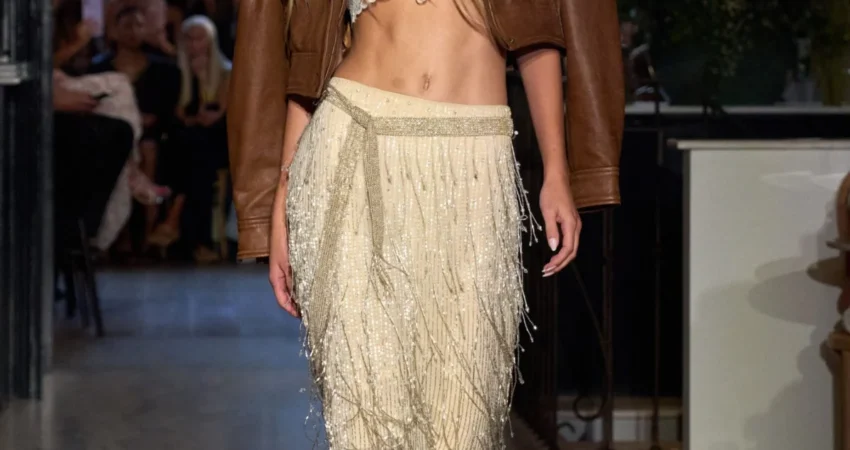
The intersection of Elizabeth Street and the evolving landscape of Nolita served as the backdrop for Rebecca Hessel Cohen’s Spring 2027 runway presentation, a collection that functioned as both a nostalgic retrospective of New York City’s "noughties" era and a forward-looking pivot for the LoveShackFancy brand. Hosted at the newly opened Dante, the show departed from traditional uptown venues to embrace a neighborhood synonymous with the very grit and glamour Hessel Cohen sought to replicate. The designer, a lifelong New Yorker and former fashion editor, utilized the Spring 2027 season to explore the cultural zeitgeist of the early 2000s—a period she remembers as being defined by a high-octane work ethic and a social scene largely unburdened by the digital surveillance of the modern social media era.
The Aesthetic Framework: Y2K Nostalgia and the Noughties Revival
The Spring 2027 collection represents a calculated departure from the hyper-feminine, pastoral romanticism that has historically defined the LoveShackFancy identity. While the brand’s signature floral prints and lace remained present, they were recontextualized through the lens of early 2000s "sleazy glamour." This aesthetic shift was characterized by a deliberate juxtaposition of delicate fabrics with "tougher" elements, such as raw-hemmed denim jackets and utilitarian cargo pants.
Hessel Cohen’s primary inspiration was the lifestyle of the magazine editors, publicists, and socialites who dominated the Manhattan scene during her youth. This era, often referred to as the "noughties," predated the ubiquity of smartphones and Instagram, allowing for a brand of uninhibited self-expression that the designer aimed to capture. "We worked all day. We went out, we slept a few hours, and did it all over again," Hessel Cohen remarked in a post-show briefing, highlighting the "free-spiritedness" that she feels is lacking in the contemporary fashion landscape.
To translate this sentiment into garments, the collection leaned heavily on silhouettes popularized by the Delia*s catalogs of the late 1990s and early 2000s. Key pieces included low-waisted trousers, sparkly scarf belts, and floral slip dresses. The integration of cargo pants, embroidered with intricate floral patterns, served as a bridge between the brand’s established DNA and the rugged, street-informed trends of the Y2K era. The use of sequins and metallic accents further emphasized the "night-out" theme, suggesting a wardrobe designed for a lifestyle that transitions seamlessly from professional duties to late-night social engagements.
Chronology of the Spring 2027 Runway Presentation
The event at Dante began with a deliberate setting of the mood, utilizing a soundtrack that featured the Cranberries and Fleetwood Mac. The choice of music underscored the theme of "Dreams," reflecting both a longing for the past and an escapist vision for the future.
- The Opening Sequence: The show commenced with a series of denim-centric looks. These were not the polished denim pieces of previous seasons but featured frayed edges, distressed textures, and oversized silhouettes that suggested a sense of "lived-in" authenticity.
- The Mid-Section Transition: As the show progressed, the palette shifted toward more vibrant florals and the introduction of the "scarf belt" accessory. This segment focused on layering, with sheer slips worn over low-slung bottoms, a hallmark of the 2003–2005 fashion cycle.
- The Celebrity Presence: Mid-show, the atmosphere was punctuated by the arrival and filming of various reality television personalities. Cast members from Love Island and The Real Housewives of Beverly Hills were in attendance, accompanied by full camera crews. This created a meta-commentary on the collection’s theme; while the clothes celebrated a pre-social media world, the event itself was deeply integrated into the modern machinery of reality-based digital content.
- The Finale and Bridal Reveal: The show concluded with a significant brand milestone. The final look featured an eyelet wedding dress adorned with delicate sequins, marking LoveShackFancy’s formal entry into the bridal sector. This finale served as a strategic "teaser" for the brand’s upcoming expansion into dedicated bridal wear.
Supporting Data: The Economic Resilience of Y2K Trends
The decision to lean into Y2K aesthetics is supported by broader market data indicating a sustained interest in "vintage" early-2000s styles among Gen Z and Millennial consumers. According to recent retail analytics, searches for "low-rise denim" and "Y2K accessories" have seen a 45% year-over-year increase in the 18–34 demographic. By tapping into this trend, LoveShackFancy is positioning itself to capture a larger share of the contemporary luxury market that values both nostalgia and brand heritage.
Furthermore, the choice of Nolita as a venue reflects a strategic alignment with the "downtown" revitalization movement. Real estate and commercial data show that the Nolita and Lower East Side corridors have seen a 12% increase in luxury boutique openings over the last 24 months, as brands move away from the traditional, high-rent corridors of Fifth Avenue and Madison Avenue in favor of neighborhoods with higher "cultural capital."
Official Responses and Industry Reactions
Industry analysts have noted that Hessel Cohen’s ability to evolve the LoveShackFancy brand while maintaining its core "more is more" philosophy is central to its longevity. Backstage, the designer emphasized that the goal was not merely to copy the past but to give it a "current edge." This sentiment was echoed by attendees who observed that the collection felt more accessible and "tougher" than previous iterations.
Critics have pointed out that the inclusion of reality TV crews, while at odds with the "untainted by social media" theme, is a necessary component of modern brand building. One industry consultant noted, "Hessel Cohen is a master of the ‘lifestyle brand.’ By bringing in the Real Housewives and Love Island stars, she is ensuring that the collection reaches a massive, digitally-native audience, even if the clothes themselves are dreaming of a time before the iPhone."
The reaction to the bridal reveal was particularly positive. Market analysts suggest that the bridal industry is currently seeing a shift toward "untraditional" and "rehearsal dinner" styles—areas where LoveShackFancy’s aesthetic naturally excels. The global bridal wear market is projected to reach $70 billion by 2030, and Hessel Cohen’s entry into this space is viewed as a logical progression for a brand that already dominates the "special occasion" and "bridesmaid-adjacent" categories.
Broader Impact and Implications for the Fashion Industry
The LoveShackFancy Spring 2027 show serves as a case study for several emerging trends in the global fashion industry:
The Professionalization of Nostalgia
The collection demonstrates that nostalgia is no longer just a fleeting trend but a sophisticated design strategy. By referencing specific cultural touchstones—like the Delia*s catalog or the lifestyle of early-2000s magazine editors—Hessel Cohen is creating an emotional connection with her consumer base. This "memory-based marketing" is highly effective in a crowded marketplace where brand loyalty is often fleeting.
The Hybridization of Reality and Fashion
The presence of camera crews from major reality networks at a runway show highlights the blurring lines between fashion events and entertainment content. For brands like LoveShackFancy, the runway is no longer just a place to show clothes to buyers and editors; it is a set for the creation of multi-platform media. This suggests that future fashion weeks will continue to evolve into high-production "content captures" designed for television and streaming audiences.
Strategic Diversification into Bridal
The debut of the eyelet wedding dress signals a move toward a more comprehensive lifestyle offering. As luxury brands face fluctuating demand in the ready-to-wear sector, the bridal market offers a more stable, recession-resistant revenue stream. LoveShackFancy’s transition into bridal allows the brand to follow its customer through various life stages, from the "party girl" aesthetic of the Spring 2027 collection to the "LoveShackFancy bride."
The "New York" Brand Identity
By grounding the collection in Hessel Cohen’s personal history as a New Yorker, the brand reinforces its authenticity. In an era of globalized fashion where many brands feel placeless, LoveShackFancy’s specific tie to New York’s cultural history (from the Upper East Side to Nolita) provides a unique selling proposition that resonates with international consumers seeking a piece of the "New York dream."
As the Spring 2027 season concludes, LoveShackFancy emerges not just as a purveyor of floral dresses, but as a brand capable of navigating the complex intersection of historical reverence and modern commercial demands. The collection’s success will likely be measured by its ability to convert Y2K nostalgia into sustained retail growth and a successful foothold in the competitive bridal landscape. For Rebecca Hessel Cohen, the "noughties" may have ended decades ago, but their influence remains a potent force in shaping the future of her fashion empire.

0 Comments