
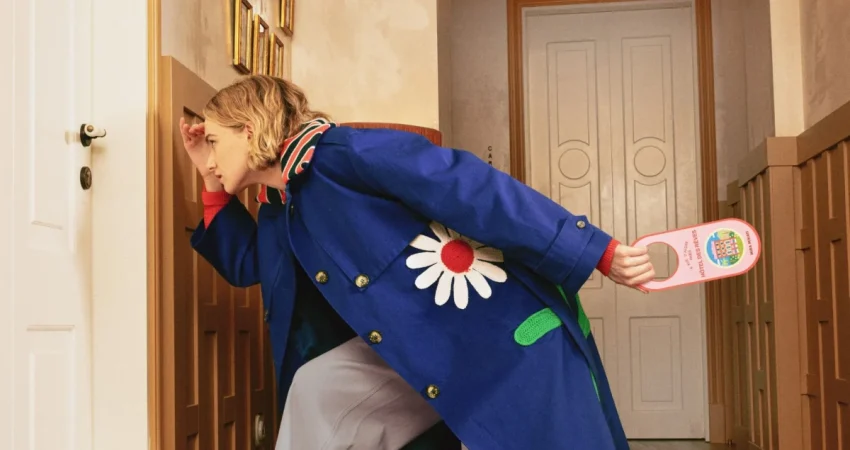
The contemporary fashion landscape continues to witness a shift toward narrative-driven aesthetics, a trend exemplified by Mira Mikati’s latest Spring collection, titled Hôtel des Rêves. Known for her optimistic and travel-centric design philosophy, Mikati has positioned her newest offerings as a curated escape from the complexities of the modern geopolitical and social climate. The collection, which transitions from conceptual embroidery to strategic retail expansion, marks a significant milestone for the London-based Lebanese designer as she prepares to establish a permanent physical presence in both Paris and the United States.
The Conceptual Framework of Hôtel des Rêves
The Hôtel des Rêves collection is built upon the pillars of escapism and the romanticization of the travel experience. Mikati’s creative direction for the season focuses on a fictionalized luxury stay where the traditional frictions of travel—such as checking into a lobby or adhering to strict departure times—are replaced by a seamless, perpetual vacation. This thematic choice reflects a broader industry movement known as "dopamine dressing," where vibrant colors and playful motifs are utilized to evoke positive emotional responses in consumers.
Central to the collection’s visual identity is the use of hand-applied details. The "good news" of the season is communicated through a hand-embroidered rainbow dress, which serves as the collection’s centerpiece. The garments are further characterized by a variety of souvenir-inspired elements, including hotel badges and sticker-like appliqués. These are featured prominently on blue striped button-down shirts and tan denim skirts, bridging the gap between high-fashion tailoring and casual resort wear.
One of the most technically distinct pieces in the lineup is a white and yellow parasol-striped cardigan. It features the phrase “late checkout” embroidered over a depiction of stacked luggage, a direct nod to the collection’s overarching theme. Additionally, a gradient blue knit sweater functions as a wearable postcard, depicting a serene landscape with figures fishing and flying kites under a rising sun.
Artistic Collaborations and Technical Craftsmanship
A defining feature of the Spring collection is the second collaboration between Mira Mikati and the renowned Japanese artist Masakatsu Iwamoto, professionally known as Mr. A protégé of Takashi Murakami and a prominent figure in the Superflat movement, Mr. brings an aesthetic characterized by starry-eyed, manga-inspired characters. These figures are integrated into the collection through pockets, t-shirts, tote bags, and hand-crocheted charms.
The inclusion of Superflat artistry provides a bridge between the world of contemporary fine art and luxury retail. For Mikati, this collaboration reinforces the brand’s identity as a platform for global artistic exchange. The technical execution of the collection also highlights a commitment to artisanal handiwork:
- Appliqué Work: A bright blue coat features hand-applied daisies, adding three-dimensional texture to a classic silhouette.
- Knitwear Innovation: A cream knit bustier and matching dress utilize floral motifs that appear to sprout directly from the hems, requiring precise tension control during the knitting process.
- Beading and Accessories: Tailored straw-colored jackets utilize beaded flowers as button covers, while wooden beads are repurposed as brooches and drawstring accents for trousers. These elements emphasize a tactile, craft-heavy approach to luxury.
Strategic Retail Expansion: From Palm Beach to Paris
Beyond the aesthetic developments of the Spring collection, Mikati is executing a dual-continent retail strategy designed to capture high-net-worth markets. The most immediate development is the opening of a boutique at the Royal Poinciana Plaza in Palm Beach, Florida. This move follows a period of significant growth in the Florida luxury market, which has seen an influx of wealth and a corresponding demand for high-end "resort-to-city" apparel.
The decision to enter the Palm Beach market was reportedly made following a brief, ten-hour exploratory visit by the designer. The Royal Poinciana Plaza has recently become a hub for independent luxury brands seeking an alternative to the traditional retail corridors of New York or Los Angeles. Mikati described the upcoming location as a "small store with big dreams," noting that the interior design would remain minimalist to allow the vibrant colors of the garments to serve as the primary visual focus.
Following the Florida launch, Mikati is set to open a flagship boutique in Paris during the next Paris Fashion Week (PFW). This move is a strategic "homecoming" for the designer, who has long used Paris as a backdrop for her seasonal presentations. The Paris boutique is expected to serve as the brand’s global showroom and a primary touchpoint for European and international buyers.
Chronology of the Spring Collection Development
The development and rollout of the Hôtel des Rêves collection followed a specific timeline that highlights the brand’s international operations:
- Concept Phase (Early Year): Mikati began developing the "Hôtel des Rêves" theme, focusing on the intersection of hospitality and fashion.
- Artistic Collaboration (Mid-Year): Design sessions with Masakatsu Iwamoto (Mr.) were finalized, integrating Superflat motifs into the garment patterns and accessory designs.
- Production and Handiwork: The collection’s heavy emphasis on embroidery and crochet required a multi-month production cycle involving specialized artisans.
- Visual Campaign: The collection was shot on location at La Bionda on Spain’s Costa Brava, a location chosen for its architectural alignment with the "sunny, upbeat" hotel theme.
- Market Teasers: Initial glimpses of the collection and the Paris boutique announcement were released during the most recent fashion cycle.
- U.S. Market Entry: The Palm Beach boutique is scheduled for an official opening next month, serving as the brand’s first permanent foothold in the American market.
Market Analysis and Industry Context
The expansion of the Mira Mikati brand occurs at a time when the luxury fashion industry is grappling with fluctuating consumer confidence in traditional luxury hubs. However, the niche for "joyful" or "resort" fashion remains robust. According to market data, the luxury resort wear segment is projected to grow as high-income travelers increase their frequency of international trips.
Mikati’s focus on hand-embroidery and artisanal details also aligns with the "quiet luxury" counter-trend, where consumers seek "loud" colors but "quiet" (or rather, high-quality) craftsmanship. By blending high-art collaborations with labor-intensive production methods, the brand justifies its premium price point in a competitive market.
The choice of Palm Beach as a primary U.S. entry point is particularly noteworthy. Retail analysts have observed that the Royal Poinciana Plaza has maintained high occupancy rates and strong sales per square foot, largely due to its ability to attract a "captive audience" of affluent residents and seasonal visitors. For a brand like Mikati’s, which thrives on sunshine and vacation themes, the demographic alignment is nearly perfect.
Broader Implications for the Brand
The transition from a collection-based business to a retail-heavy model indicates a maturing of the Mira Mikati brand. While the designer has previously relied on wholesale partnerships with major luxury retailers, the opening of dedicated boutiques in Palm Beach and Paris suggests a desire for greater control over the brand narrative and customer experience.
Furthermore, the "Hôtel des Rêves" concept may signal future brand extensions. In the current luxury climate, many fashion houses are expanding into lifestyle and hospitality, including branded cafes, beach clubs, and hotel suites. While Mikati has not officially announced a move into the hospitality sector, the thematic depth of this collection provides a natural blueprint for such a transition.
The collaboration with Mr. also sets a precedent for how the brand might continue to leverage the art world. By moving beyond simple graphic tees and into hand-crocheted charms and intricate knitwear, Mikati is positioning her brand as a collector’s label rather than just a seasonal fashion choice.
Conclusion
Mira Mikati’s Spring collection and her subsequent retail expansions represent a calculated bet on the enduring appeal of optimism in fashion. The Hôtel des Rêves collection is not merely a series of garments but a cohesive brand statement that prioritizes craftsmanship, artistic collaboration, and a specific "vacation-ready" lifestyle. As the brand moves into its new physical spaces in Palm Beach and Paris, the fashion industry will be watching to see how Mikati’s vibrant, hand-crafted aesthetic translates into a permanent retail presence on the global stage.
The successful integration of the Superflat movement’s aesthetics with traditional embroidery techniques suggests that the brand is capable of balancing commercial appeal with artistic integrity. For the modern consumer seeking a reprieve from the mundane, Mikati’s "boutique des rêves" offers a tangible entry point into a world where the sun is always rising and the checkout time is indefinitely postponed.

0 Comments