
Carlsbad Caverns National Park, located in the rugged Chihuahuan Desert of southeastern New Mexico, stands as one of the most geologically significant and visually arresting cave systems on the planet. Recognized as a UNESCO World Heritage site, the park encompasses more than 119 known caves, formed not by the typical action of running water, but by the dissolution of limestone by sulfuric acid. This unique origin has resulted in a subterranean landscape characterized by massive chambers and intricate, alien-like rock formations that draw hundreds of thousands of visitors annually. Despite its remote location and the logistical challenges inherent in desert travel, the park remains a cornerstone of American natural heritage, offering a window into both ancient geological history and complex biological ecosystems.
Geological Origins and Historical Timeline
The story of Carlsbad Caverns began approximately 250 to 280 million years ago during the Permian Period. At that time, an inland sea covered the region, leading to the formation of the Capitan Reef—a massive horseshoe-shaped limestone reef built by sponges, algae, and bryozoans. As the sea evaporated and tectonic forces uplifted the Guadalupe Mountains, the reef was buried and subsequently exposed.
Unlike the majority of the world’s caves, which are carved by carbonic acid found in rainwater, Carlsbad Caverns were formed from the bottom up. Hydrogen sulfide gas migrated upward from deeper petroleum deposits and mixed with oxygen-rich groundwater to form sulfuric acid. This potent acid dissolved the limestone along fractures and faults, creating the immense voids seen today. The chronology of the park’s discovery and preservation reflects its growing importance in the American consciousness:
- 1898: Jim White, a young cowboy, is credited with the first extensive exploration of the caverns after seeing what he thought was a plume of smoke, which turned out to be a massive flight of bats.
- 1923: President Calvin Coolidge established Carlsbad Cave National Monument via executive proclamation on October 25.
- 1930: Recognizing the site’s global significance, Congress designated the area as a National Park on May 14.
- 1995: UNESCO designated Carlsbad Caverns National Park as a World Heritage Site, citing its superlative natural phenomena and unique geological processes.
Logistics of Access and Regional Connectivity
The geographic isolation of Carlsbad Caverns National Park is a defining characteristic of the visitor experience. Situated 20 miles southwest of the city of Carlsbad, New Mexico, the park is accessed via U.S. Highway 62/180. For many travelers, the journey requires significant planning, as the nearest major transportation hub is El Paso International Airport (ELP) in Texas, located approximately 150 miles (a two-hour drive) to the west.
This isolation contributes to a unique regional tourism dynamic often referred to by park enthusiasts as the "three-park combo." The park’s proximity to Guadalupe Mountains National Park in Texas (approximately 40 miles away) and White Sands National Park near Alamogordo, New Mexico (a three-hour drive), allows for a comprehensive circuit of the northern Chihuahuan Desert.
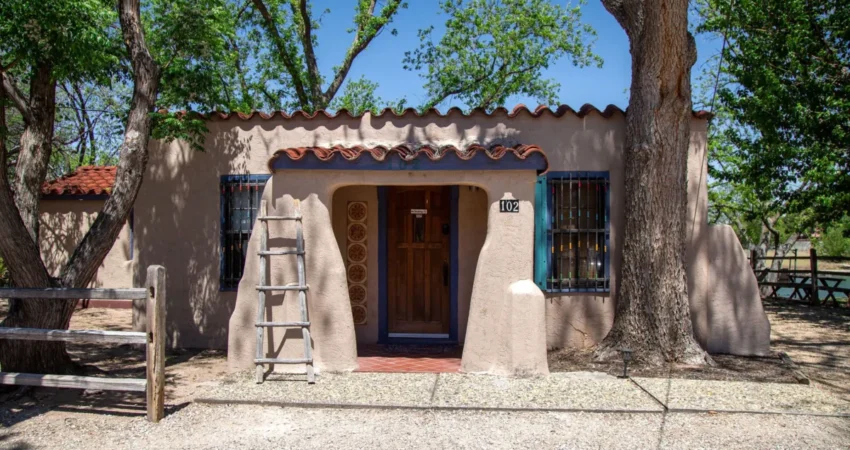
Data from the National Park Service (NPS) indicates that visitor numbers typically peak during the summer months, though the park’s remote nature means that lodging infrastructure in the town of Carlsbad often reaches capacity. The local hospitality market is further complicated by the region’s prominent oil and gas industry; hotels and short-term rentals frequently cater to energy sector workers, leading to fluctuating prices and limited availability for tourists. Prospective visitors are increasingly encouraged to look toward alternative accommodations, such as vacation rentals, tiny houses, and riverside lodges, to secure a stay during peak seasons.
The Biological Marvel: The Bat Flight Program
One of the park’s most significant biological features is its colony of Brazilian free-tailed bats. Each evening from late spring through October, hundreds of thousands of these mammals emerge from the Natural Entrance in a spectacular whirlwind to forage for insects in the Black River and Pecos River valleys.
According to park biologists, this event is more than a tourist attraction; it is a vital ecological process. A single bat can consume nearly its body weight in insects in a single night, providing an essential service to the local agricultural industry by controlling pest populations. The "Bat Flight Program," a ranger-led talk at the park’s amphitheater, provides educational context for this phenomenon.
The timing of the flight varies seasonally. While bats begin returning from their winter migration in Mexico in April, the population peaks in August and September. This surge is attributed to the birth of "pups" earlier in the summer; by late August, these young bats are strong enough to join the nightly hunt, doubling or tripling the visible density of the flight. However, park officials maintain strict regulations to protect the colony, including a total ban on electronic devices—including cameras and cell phones—during the flight to prevent disturbing the bats’ sensitive sonar and social behaviors.
Subterranean Climate and Visitor Infrastructure
The interior of Carlsbad Caverns offers a stark contrast to the extreme temperatures of the New Mexico desert. While surface temperatures can exceed 100°F (38°C) in the summer or drop below freezing in the winter, the caves maintain a near-constant temperature of 56°F (13°C) year-round. This thermal stability makes the park an ideal destination for "shoulder season" travel in the spring and fall, as well as a reliable winter retreat.
The park’s infrastructure is designed to accommodate a range of physical abilities. The "Big Room," the most famous chamber in the park, is the largest single cave chamber by volume in North America. It features a 1.25-mile trail that is mostly level and partially accessible to wheelchairs. Visitors can reach the Big Room either by a steep 1.25-mile hike down the Natural Entrance trail—equivalent to descending a 75-story building—or via a high-speed elevator located in the Visitor Center that descends 750 feet in less than a minute.
Recent infrastructure updates have focused on the reliability of these elevator systems. In previous years, mechanical failures led to temporary closures of the elevator service, highlighting the challenges of maintaining heavy machinery in a high-humidity, subterranean environment. The NPS has since invested in modernized systems to ensure consistent access for all visitors.
Conservation Challenges and Official Responses
Preserving the delicate speleothems—the stalactites, stalagmites, and other rock formations—is a primary concern for park management. These formations take thousands of years to grow, often at a rate of only a few millimeters per century. Human impact, including the oils from skin and the introduction of lint and hair, can "kill" a formation by preventing the deposition of calcite.
Furthermore, the threat of White-nose Syndrome (WNS), a fungal disease that has devastated bat populations across North America, remains a top priority. While WNS has been detected in New Mexico, park officials have implemented rigorous decontamination protocols. Visitors who have entered other caves or mines are required to screen their gear to prevent the accidental introduction of the Pseudogymnoascus destructans fungus into the Carlsbad system.
In an official statement regarding conservation, the National Park Service emphasized the balance between public access and environmental stewardship: "Our mission is to preserve the unimpaired natural and cultural resources of the park for the enjoyment, education, and inspiration of this and future generations. Every visitor plays a role in this by staying on designated paths and respecting the fragile nature of the cave environment."
Economic and Broader Implications
The economic impact of Carlsbad Caverns National Park on the surrounding Eddy County is substantial. In a 2022 peer-reviewed visitor spending effects report, the NPS noted that hundreds of thousands of visitors spent millions of dollars in local gateway regions. This spending supported over 500 jobs and had a total cumulative benefit to the local economy exceeding $40 million.
Beyond the financial metrics, the park serves as a critical site for scientific research. Microbiologists study the extremophiles living in the caves’ most remote reaches—such as Lechuguilla Cave, which is restricted to scientific research—to better understand the possibilities of life on other planets. The unique chemistry of these caves provides a laboratory for studying mineralogy, paleoclimatology, and evolutionary biology.
As tourism trends shift toward "experiential travel," Carlsbad Caverns National Park is uniquely positioned to offer a blend of adventure, education, and natural beauty. The park’s ability to maintain its allure despite its remote location is a testament to the universal appeal of its subterranean wonders. For the modern traveler, a visit to Carlsbad is not merely a stop on a road trip, but a descent into a prehistoric world that continues to reveal its secrets through science and exploration.
The ongoing management of the park will require a delicate navigation of increasing visitor numbers, the preservation of sensitive biological habitats, and the maintenance of aging infrastructure. However, as the hundreds of thousands of bats that spiral out of the cave each night suggest, the resilience of this desert ecosystem remains as profound as the depths of the caverns themselves.

0 Comments