
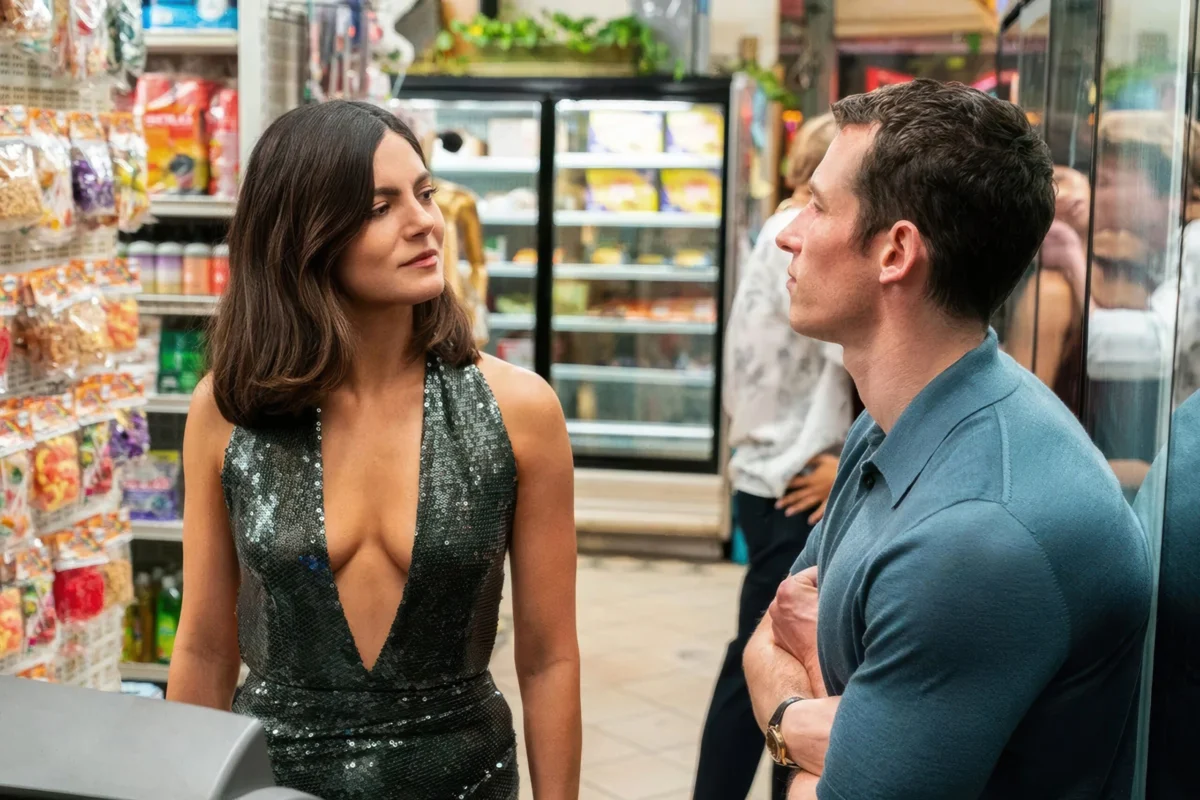
The release of the feature film One Night Only represents a significant departure from traditional romantic comedy tropes, introducing a high-concept, near-dystopian premise to a genre often characterized by grounded realism. Directed by Will Gluck, the film stars Callum Turner and Monica Barbaro as two individuals navigating a societal framework where sexual intimacy for single people is legally restricted to a single 24-hour window per year. This narrative choice has sparked immediate discussion within the film industry regarding the evolution of the "high-concept rom-com" and its viability in a competitive theatrical landscape. Produced under the direction of Gluck, who previously found success with genre-defining hits such as Easy A and Anyone But You, the film attempts to blend absurdist social commentary with the traditional emotional beats of a romantic narrative.
The Evolution of the High-Concept Premise
The central conceit of One Night Only—a world where singlehood is regulated by strict temporal laws regarding intimacy—places it within a specific lineage of speculative fiction disguised as comedy. While the romantic comedy genre spent much of the 2010s relegated to streaming platforms with "boy-meets-girl" formulas, the 2020s have seen a resurgence of theatrical releases that utilize exaggerated or surreal circumstances to explore modern dating anxieties.
In One Night Only, the characters portrayed by Turner and Barbaro meet during this designated window of legal intimacy. The film explores the psychological pressure of "forced" spontaneity, where the characters must decide if their connection is a byproduct of the calendar or a genuine interpersonal bond. Industry analysts suggest that this "Purge-like" approach to romance is a response to the perceived stagnation of the genre. By raising the stakes through a ticking-clock mechanism, the production aims to capture the attention of an audience increasingly accustomed to the fast-paced, high-stakes narratives of prestige television and speculative thrillers.
Production Background and Creative Direction
Will Gluck’s involvement in the project is a cornerstone of its marketing and creative identity. Gluck has established himself as a director capable of revitalizing the romantic comedy for new generations. His 2010 film Easy A served as a breakout for Emma Stone and modernized the "scarlet letter" narrative for the social media age. More recently, his 2023 film Anyone But You, starring Sydney Sweeney and Glen Powell, became a surprise box-office juggernaut, grossing over $200 million globally against a modest budget.
The development of One Night Only followed a similar trajectory, focusing on rising stars with significant "it-factor" appeal. Callum Turner, known for his work in the Apple TV+ series Masters of the Air and the sports drama The Boys in the Boat, brings a rugged, grounded presence to the film. Monica Barbaro, who achieved international recognition as "Phoenix" in Top Gun: Maverick, continues her transition into leading-lady roles. The chemistry between the two leads is central to the film’s success, as the script requires them to navigate a rapid progression of intimacy within a condensed timeline.

A Chronology of the Project’s Development
The journey of One Night Only from script to screen reflects the current volatility and opportunistic nature of mid-budget filmmaking in Hollywood.
- Script Acquisition and Development (Late 2022): The original screenplay, which leaned heavily into the satirical elements of the "one night" law, was acquired by the studio with the intent of creating a "event-style" romantic comedy.
- Casting Phase (Early 2023): After the box-office success of Anyone But You, the studio fast-tracked the casting of Turner and Barbaro. The selection was strategic, aiming to pair a critically acclaimed British actor with an American star rising from a major franchise background.
- Principal Photography (Mid 2023): Filming took place primarily on location in Los Angeles, utilizing the city’s nightlife and urban landscape to create a sense of frantic energy synonymous with the film’s "one night" deadline.
- Post-Production and Market Testing (Late 2023): The film underwent several rounds of editing to balance the absurdist humor of the premise with the emotional sincerity required for the romantic payoff.
- Release and Distribution (2024): The film opened in wide release, targeting both the traditional rom-com demographic and younger audiences drawn to high-concept, "viral-ready" premises.
Market Analysis: The Return of the Theatrical Rom-Com
The financial context of One Night Only is indicative of a broader trend in the film industry. For nearly a decade, major studios largely abandoned the theatrical romantic comedy, believing the genre was better suited for subscription video-on-demand (SVOD) platforms like Netflix and Hulu. However, the unexpected theatrical performance of films like Ticket to Paradise and Anyone But You has signaled a shift in consumer behavior.
According to data from Comscore, there is a growing "theatrical gap" where audiences are seeking out mid-budget, star-driven comedies as an alternative to the saturated market of superhero sequels and big-budget action franchises. One Night Only enters the market as a test of whether a high-concept, potentially polarizing premise can sustain the momentum generated by more traditional entries in the genre.
Supporting data from the Motion Picture Association (MPA) indicates that the 18–34 demographic is returning to theaters for "social cinema" experiences—films that provide a shared viewing experience and conversational "water-cooler" moments. The "insane" premise of One Night Only, as noted by early viewers, is designed specifically to generate this type of social media discourse and word-of-mouth marketing.
Performance and Character Dynamics
The casting of Callum Turner and Monica Barbaro is viewed by critics as a vital component in grounding the film’s more outlandish elements. Turner’s performance has been described as a "steadying force," providing a relatable emotional anchor in a world where the rules of dating have been legally codified. His ability to convey vulnerability amidst the chaotic pacing of the plot is essential for the audience’s investment in the relationship.
Barbaro, conversely, utilizes her background in high-stakes action and drama to bring a sense of urgency to her role. In One Night Only, her character must navigate the societal expectation of the "single night" while maintaining a sense of individual agency. The interplay between the two actors serves as a critique of modern dating culture, where the pressure to find a "perfect match" is often exacerbated by external pressures—be they digital algorithms or, in the case of the film, governmental mandates.

Official Responses and Industry Reception
While official studio statements have focused on the film’s "innovative storytelling" and "fresh take on modern love," the reaction from industry insiders has been one of cautious fascination. During a press junket, Will Gluck emphasized that the film is intended to be a "reflection of how intense and scheduled modern life has become." He noted that while the premise is exaggerated, the feeling of having "only one shot" at a connection is something many people feel in the age of dating apps.
Critical reception has highlighted the film’s daring nature. Some analysts have compared the film’s tone to the works of Yorgos Lanthimos, albeit with a more accessible, commercial gloss. The "empty theater" screenings mentioned by early viewers in North Hollywood are not necessarily indicative of total box-office failure, but rather the specialized nature of early morning release-day screenings in major metropolitan hubs. As the film moves into its first full weekend, the industry will be watching closely to see if the "concept" outweighs the "romance" in the eyes of the general public.
Broader Implications and Cultural Impact
One Night Only arrives at a time when the legal and social boundaries of personal relationships are a frequent subject of public discourse. By dramatizing the regulation of intimacy, the film touches upon themes of bodily autonomy, the commercialization of romance, and the absurdity of societal norms.
The implications of the film’s success or failure extend beyond its own box office. A successful run for One Night Only would likely embolden studios to greenlight more experimental comedies that deviate from the standard "meet-cute" structure. It suggests that the audience is ready for a "Rom-Com 2.0" where the obstacles to love are not just misunderstandings or meddling friends, but systemic, high-stakes barriers.
Furthermore, the film highlights the continued importance of "star-making" in the mid-budget sector. If Turner and Barbaro are able to draw audiences based on their chemistry and the strength of the concept, it reaffirms the value of the "movie star" in an era dominated by intellectual property and recognizable brands.
Conclusion
One Night Only stands as a bold experiment in the 2024 cinematic landscape. By taking the director of some of the last decade’s most successful comedies and pairing him with two of Hollywood’s most promising actors, the studio has attempted to create a film that is as much a social experiment as it is a romantic comedy. Whether the film’s "simply insane" premise will become a new benchmark for the genre or remain a singular curiosity is a question that will be answered by its long-term cultural and financial trajectory. For now, it remains a testament to the industry’s desire to innovate within one of its oldest and most beloved genres.

0 Comments