
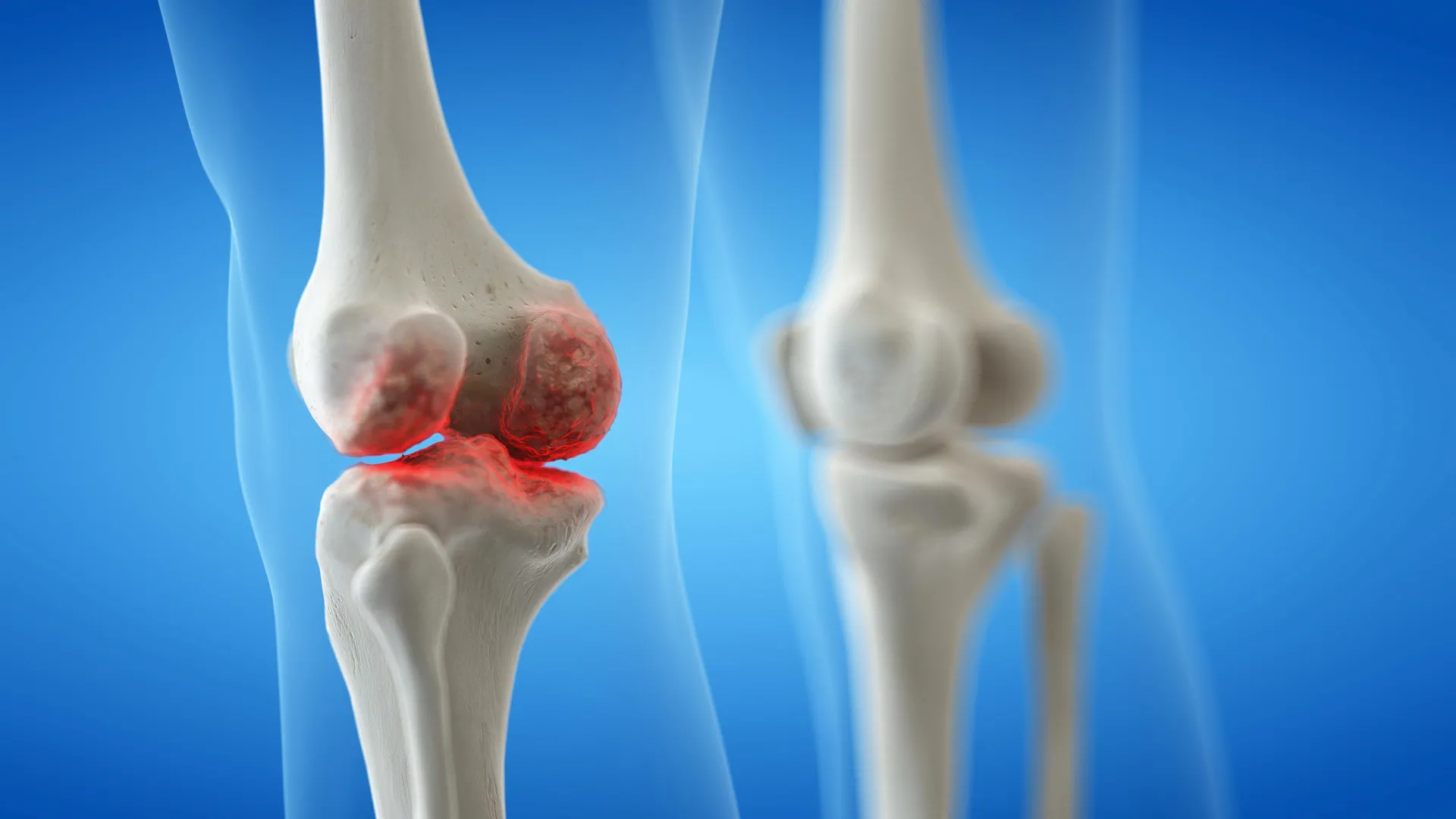
Knee pain is a pervasive ailment, a familiar complaint that often escalates with age. While numerous factors can contribute to persistent discomfort in the knee joint, osteoarthritis stands out as a leading culprit. This chronic condition, characterized by the gradual breakdown of the cartilage that acts as a protective cushion between the bones, can significantly diminish quality of life. The smooth, protected movement of a healthy knee relies on this vital cartilage. As this lubricating and shock-absorbing layer thins, pain, stiffness, and functional limitations can emerge and progressively worsen over time.
Dr. Abby Cheng, an orthopedic surgeon and physiatrist at Washington University School of Medicine in St. Louis, emphasizes the far-reaching consequences of knee osteoarthritis. "Osteoarthritis can cause knee pain and stiffness, which can negatively impact a person’s activity level, risk of falling, mood, and general quality of life," she stated. This sentiment underscores that the impact of knee osteoarthritis extends beyond mere physical discomfort, permeating various facets of an individual’s daily existence.
The Multifaceted Impact of Knee Osteoarthritis
The ramifications of osteoarthritis are not confined to the affected joint. The debilitating pain and stiffness can create significant barriers to daily life. Difficulty in movement can lead to missed workdays, resulting in financial strain and lost income. Furthermore, the discomfort associated with physical activity can discourage individuals from engaging in exercise, a crucial component of overall health. This sedentary lifestyle, in turn, can elevate the risk of developing other serious chronic conditions, including heart disease, various forms of cancer, and type 2 diabetes. The interconnectedness of joint health and systemic well-being highlights the comprehensive nature of this condition.
Osteoarthritis is a remarkably prevalent condition. In the United States alone, over 30 million adults grapple with some form of this degenerative disease, with the knee being the most frequently affected joint. While often associated with the natural aging process, it is crucial to note that approximately half of all osteoarthritis cases occur in individuals of working age. This demographic prevalence underscores the potential for significant economic and social disruption caused by the condition.
Several factors contribute to an increased susceptibility to knee osteoarthritis. Dr. Cheng identifies "weak leg muscles and being overweight or obese" as significant risk factors. Additionally, women, older adults, individuals with a history of knee injury, and those with a familial predisposition to osteoarthritis are more likely to develop the condition. Understanding these risk factors is paramount for both preventative strategies and early intervention.
A Timeline of Degeneration and Management
The development of osteoarthritis is typically a gradual process. While the exact onset can be difficult to pinpoint, it is often initiated by wear and tear on the joint over many years. Initial symptoms might be subtle, such as a dull ache after strenuous activity or stiffness upon waking. As the cartilage continues to erode, these symptoms intensify, becoming more persistent and potentially interfering with routine activities.
Early Stages (Years to Decades): The initial phase often involves microscopic changes to the cartilage. Individuals may experience mild, intermittent pain or stiffness, particularly after prolonged periods of inactivity or high-impact exercise. This stage is often characterized by a lack of awareness or the dismissal of symptoms as minor discomfort.
Progression (Years to Decades): As cartilage loss accelerates, pain becomes more frequent and intense. Swelling, warmth, and a grinding sensation in the joint may become noticeable. Range of motion can be limited, impacting activities like walking, climbing stairs, and squatting. This is often when individuals seek medical attention.
Advanced Stages (Years): In advanced osteoarthritis, the cartilage may be significantly depleted, leading to bone-on-bone friction. This results in severe pain, chronic inflammation, and substantial functional impairment. Deformities in the joint may become visible, and individuals may experience significant limitations in their ability to perform even basic daily tasks. Surgical intervention, such as knee replacement, may become a necessary consideration.
The progression of osteoarthritis is not linear and can be influenced by a multitude of factors, including genetics, lifestyle, and previous injuries. However, the underlying biological process involves a complex interplay of inflammation and cellular degradation within the joint.
Data Illuminating the Scope of the Problem
The Centers for Disease Control and Prevention (CDC) provides extensive data on the prevalence and impact of osteoarthritis. According to their statistics, osteoarthritis affects an estimated 32.5 million U.S. adults. The economic burden is substantial, with estimated annual costs for osteoarthritis-related care exceeding $100 billion in the United States. This figure encompasses medical expenses, lost productivity, and disability payments.
Further research highlights the disproportionate impact on certain populations. For instance, studies indicate that women are more likely to develop osteoarthritis than men, particularly after the age of 50. Similarly, individuals who are overweight or obese have a significantly higher risk of developing knee osteoarthritis. The National Institutes of Health (NIH) reports that obese individuals are four times more likely to develop osteoarthritis than those with a healthy weight. This correlation underscores the critical role of weight management in mitigating the risk and severity of the condition.
The economic implications are not solely related to healthcare costs. Lost workdays and reduced earning potential due to pain and disability contribute significantly to the financial strain on individuals and society. A study published in the journal Arthritis & Rheumatology estimated that osteoarthritis costs the U.S. economy $85.5 billion annually in medical expenses and $28.6 billion in lost productivity. These figures underscore the urgent need for effective prevention and management strategies.
Lifestyle Modifications: Pillars of Pain Management and Prevention
Fortunately, individuals diagnosed with osteoarthritis are not without recourse. A multifaceted approach combining healthy lifestyle habits with medical interventions can effectively manage pain and mobility challenges, potentially slowing the progression of the disease.
"Eating more plants and less processed or sugary food reduces inflammation in the body, which can reduce pain from osteoarthritis in all joints," Dr. Cheng advises. This dietary recommendation aligns with broader public health guidance emphasizing the benefits of whole foods. Anti-inflammatory diets, rich in fruits, vegetables, whole grains, and lean proteins, can help to dampen the inflammatory processes that exacerbate osteoarthritis symptoms. Conversely, processed foods, refined sugars, and unhealthy fats can promote systemic inflammation, thereby worsening joint pain.
Beyond diet, several other strategies play a crucial role:
Strengthening and Support
- Thigh Muscle Strengthening: The muscles surrounding the knee, particularly the quadriceps and hamstrings, act as natural shock absorbers and stabilizers. Strengthening these muscles can significantly reduce the stress placed on the knee joint. Physical therapy programs are often tailored to develop these muscles safely and effectively.
- Knee Braces: For some individuals, knee braces can provide external support and stability, alleviating pain and improving confidence during movement. These can range from simple sleeves to more complex hinged braces designed for specific types of instability.
Medical Interventions
- Anti-inflammatory Medications: Over-the-counter nonsteroidal anti-inflammatory drugs (NSAIDs) like ibuprofen and naproxen can help reduce pain and inflammation. Prescription-strength NSAIDs may be recommended for more severe symptoms.
- Injections: Cortisone injections can provide temporary relief from pain and inflammation by reducing swelling within the joint. Hyaluronic acid injections, which mimic the natural fluid in the joint, are another option for some patients.
- Knee Replacement Surgery: For individuals with severe osteoarthritis who have not responded to conservative treatments, knee replacement surgery (arthroplasty) offers a highly effective solution for pain relief and restoration of function. This is a major surgical procedure with a significant recovery period, but it can dramatically improve quality of life for eligible candidates.
The Power of Weight Management
A particularly impactful strategy, especially for individuals who are overweight or obese, is weight loss. Dr. Cheng highlights the remarkable effect of even modest weight reduction: "for a person who is overweight, losing 10 pounds can reduce the stress placed on the knees by 40 pounds with every step." This reduction in biomechanical load translates directly to diminished pain and slower joint degeneration. This emphasizes that weight management is not merely an aesthetic pursuit but a critical therapeutic intervention for joint health.
Prevention: Proactive Measures for a Healthier Future
The strategies employed to manage existing osteoarthritis can also serve as powerful tools for reducing the risk of developing the condition in the first place. This proactive approach is essential for long-term joint health.
The Role of Physical Activity
Regular physical activity is a cornerstone of osteoarthritis prevention. Contrary to popular belief, moderate exercise, including running, does not necessarily damage healthy knees. In fact, it can strengthen the muscles and ligaments that support the joint, improve circulation, and maintain a healthy weight, all of which contribute to lower osteoarthritis risk. The key is to engage in appropriate activities, listen to one’s body, and avoid overexertion. Low-impact exercises like swimming, cycling, and brisk walking are often recommended.
Nutritional Guidance for Joint Health
Diet plays a crucial role in both managing inflammation and supporting overall health, which indirectly impacts joint health. A diet rich in whole grains, fruits, vegetables, and lean proteins, while limiting processed foods, refined sugars, and excessive saturated fats, can contribute to a healthy body weight and reduce systemic inflammation. Research into specific nutrients, such as omega-3 fatty acids found in fatty fish, and antioxidants present in colorful fruits and vegetables, suggests potential benefits for joint health.
Genetics: A Predisposition, Not a Destiny
While osteoarthritis can have a genetic component, it is not a predetermined fate. "Some people think that because a parent or grandparent had osteoarthritis, they will develop it too," Dr. Cheng acknowledges. "And while it’s true that osteoarthritis can run in families, it doesn’t mean there’s nothing a person can do to successfully lower their risk of developing it." This perspective is vital for empowering individuals to take control of their health.
Unlike some genetic disorders, osteoarthritis is influenced by a complex interplay of genetic predisposition and environmental factors, including lifestyle choices and injury history. Therefore, individuals with a family history of the condition can significantly mitigate their risk through consistent application of preventative measures. This includes maintaining a healthy weight, engaging in regular exercise, and avoiding activities that put excessive stress on the knees.
Broader Implications and the Path Forward
The impact of osteoarthritis extends beyond individual suffering, affecting communities and healthcare systems. The chronic nature of the disease necessitates long-term management, placing a considerable burden on healthcare resources. Furthermore, the reduction in mobility and independence can have profound social and psychological consequences for affected individuals and their families.
However, the growing understanding of osteoarthritis’s causes and effective management strategies offers a hopeful outlook. Public health initiatives focused on promoting healthy lifestyles, encouraging early intervention, and providing accessible resources for physical therapy and weight management can play a pivotal role in curbing the rising tide of this debilitating condition.
The message from experts like Dr. Cheng is clear: while osteoarthritis is a significant health challenge, it is not an insurmountable one. By embracing proactive strategies, individuals can significantly reduce their risk of developing the condition, manage its symptoms effectively, and maintain a higher quality of life. It is a call to action, urging individuals to take ownership of their health and make informed choices that can protect their joints and overall well-being for years to come. The future of joint health lies in a combination of scientific advancement, robust public health efforts, and individual commitment to a healthy lifestyle.

0 Comments