
The seemingly humble potato chip, often relegated to a casual snack or a base for elaborate dips, is being elevated to a sophisticated party essential, challenging decades-old notions of what constitutes elegant entertaining. This resurgence in appreciation for the versatile chip is not merely a trend but a reflection of a broader shift in hosting philosophy, prioritizing resourcefulness, creativity, and approachable luxury.
A Culinary Reimagining: From Humble Beginnings to High Society
The journey of the potato chip from a simple, mass-produced snack to a cornerstone of modern entertaining can be traced back to a stark contrast in culinary perspectives. In 1940, James Beard, a seminal figure in American gastronomy, declared in his book Hors D’Oeuvre and Canapés that "The cocktail party no longer means a bottle of gin, a can of sardines, and a package of potato chips from the corner grocery." Beard’s statement, aimed at elevating the sophistication of party fare, inadvertently set the stage for a re-evaluation of the very items he sought to dismiss. While his intention was to move beyond basic offerings, the 21st-century interpretation of his sentiment suggests that these "basic" elements, when approached with intention and creativity, can indeed form the foundation of an exceptional gathering.
The author of the recently published Party Tricks: Easy, Elegant Recipes for Snacking and Hosting, Anna Hezel, finds inspiration in this historical context. Her work champions the potato chip not as a fallback option but as a strategic ingredient, capable of transforming simple gatherings into memorable events with minimal effort and cost. This approach resonates in an era where entertaining often balances a desire for impressive presentations with practical considerations of time and budget.
The Economic and Practical Appeal of the Modern Chip
The economic viability of using potato chips as a party staple is undeniable. In today’s market, a high-quality bag of artisanal potato chips can be purchased for under $5. These chips, often meticulously crafted with premium ingredients and unique flavor profiles, represent a cost-effective yet sophisticated hors d’oeuvre. Unlike more complex preparations that might require specialized equipment, extensive prep time, or even significant kitchen ventilation, chips offer an immediate solution. Their inherent crispness and saltiness provide a satisfying textural and flavor contrast that guests consistently appreciate.
This practicality extends to the ease of preparation. In a culinary landscape that often glorifies elaborate, time-consuming recipes, the chip offers a welcome respite. It can be deployed in its raw form, simply poured into a bowl, or it can serve as a base or a finishing element for more involved dishes. This flexibility allows hosts to allocate their time and energy to other aspects of the event, whether it’s crafting intricate cocktails or ensuring the ambiance is perfectly curated. The ability to buy oneself extra time by utilizing chips as an immediate offering is a strategic advantage for any host.
Innovative Applications: Elevating the Everyday Chip
The true ingenuity lies in the myriad ways the potato chip can be transformed. Beyond the basic bowl, innovative applications are emerging that redefine its role in party planning:

-
The Two-Ingredient Dip Enhancement: While classic dips like French onion remain popular, a minimalist approach can yield equally impressive results. Pairing salt-and-vinegar chips with a simple bowl of crème fraîche, elevated with a delicate topping of trout roe and a sprinkle of chives, offers a sophisticated presentation without the labor of individual canapés. This method allows for the showcase of luxurious ingredients like caviar in a more accessible format. Variations using sour cream or other creamy bases, coupled with different types of fish roe and fresh herbs, further expand the possibilities, demonstrating how a simple chip can act as a vehicle for premium flavors.
-
The Art of the Custom Chip Flavor: The market now offers a diverse array of pre-flavored chips, from "all-dressed" to exotic spice blends like green curry. However, for the discerning host, the true excitement lies in creating bespoke chip flavors. For instance, the absence of Old Bay seasoned chips outside of specific regions can be remedied by a DIY approach. By lightly seasoning store-bought chips with Old Bay seasoning, hosts can bring a regional favorite to their own events. Similarly, recreating the beloved flavors of onion dip directly onto a plain chip by dusting them with onion powder, garlic powder, and fresh dill offers a concentrated burst of savory goodness, eliminating the need for a separate dip altogether.
-
"Chip Dust" for Texture and Depth: The culinary application of crushed potato chips extends beyond mere garnish. Pulverized chips, particularly those with a distinct flavor profile like salt and vinegar, can add a crucial element of texture, richness, and salinity to dishes. The acidity of salt and vinegar chips, for example, can provide a bright counterpoint to richer foods without introducing excess liquid. This "chip dust" can be used to:
- Garnish Dips: Adding a crunchy, flavorful topping to dips like creamy giardiniera.
- Bread Proteins: Serving as an innovative breading for fried items such as chicken cutlets, imparting a unique flavor and crispness.
- Casserole Topping: Offering a savory and textural contrast to baked dishes, akin to traditional breadcrumb toppings.
-
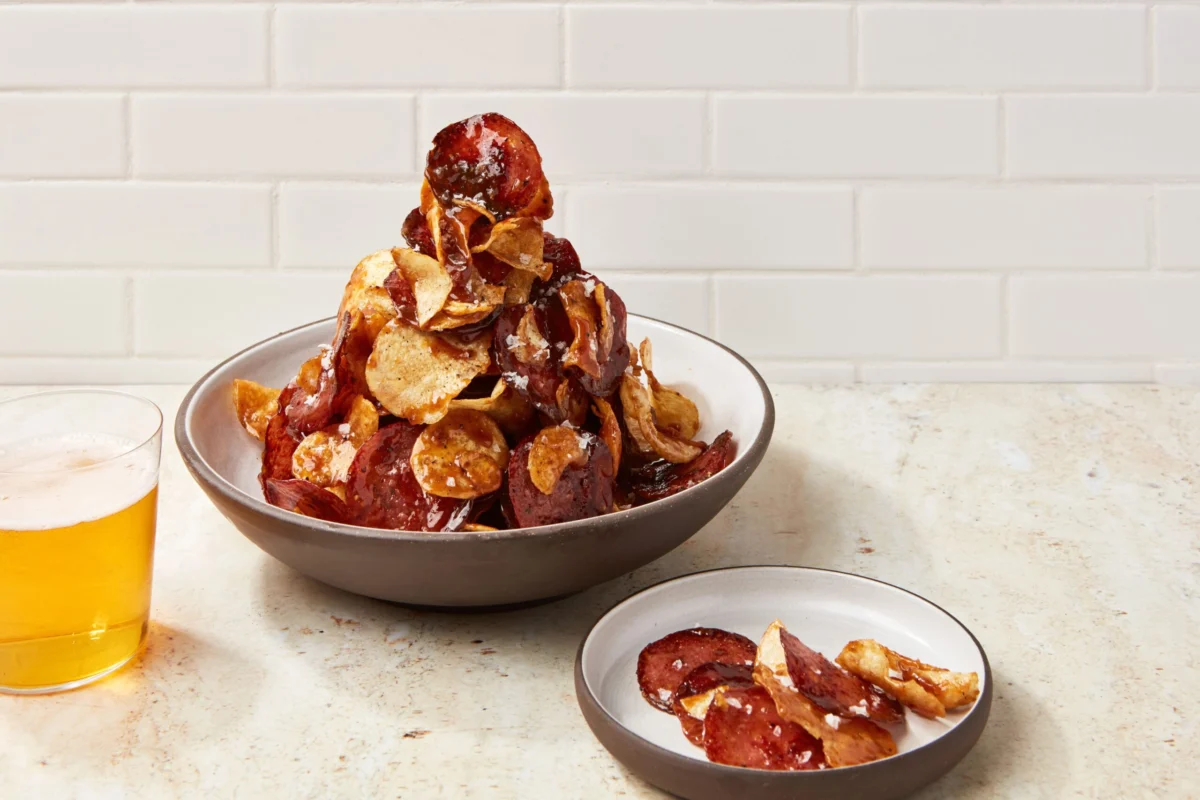
The Architectural Chip Tower: The concept of the potato chip tower has gained significant traction, moving from niche restaurant offerings to popular social media trends. Inspired by establishments like Ernesto’s, a Basque restaurant in New York City that famously layered house-made chips with Ibérico ham, this visually striking presentation involves alternating layers of chips with complementary ingredients in a shallow bowl. Potential pairings include charcuterie, tinned mussels, or finely grated hard cheeses. A particularly creative rendition, featured on Epicurious, involves drizzling sea salt chips with honey butter and dotting them with crispy salami, showcasing the versatility of this architectural approach.
-
Shortcut Spanish Tortilla: For leftover chips that may have lost some of their crispness, a culinary transformation into a Spanish tortilla offers a delicious and time-efficient solution. Chef Ferran Adrià’s approach, detailed in his book The Family Meal, involves incorporating chips into egg dishes to create a quick and satisfying frittata or tortilla. A notable adaptation by former Bon Appétit staffer Kendra Vaculin utilizes sour cream and onion potato chips, infusing the tortilla with a powerful savory seasoning and a distinct flavor profile, demonstrating how even slightly stale chips can be repurposed into a gourmet offering.
Broader Implications: The Democratization of Elegant Entertaining
The elevation of the potato chip reflects a broader trend towards the democratization of sophisticated hosting. In previous eras, achieving an elegant party often required significant financial investment, specialized culinary knowledge, and considerable time commitment. However, the modern approach, as championed by authors like Hezel and innovative chefs, emphasizes resourcefulness and creativity.
This shift has several implications:
- Increased Accessibility: It empowers a wider range of individuals to host impressive gatherings without feeling constrained by budget or expertise. The ability to transform simple, readily available ingredients into something special fosters a more inclusive entertaining culture.
- Emphasis on Creativity: The focus moves from adhering to rigid culinary rules to embracing personal style and inventive combinations. This encourages experimentation and allows hosts to infuse their personality into their events.
- Sustainability and Reduced Waste: Repurposing ingredients, such as using slightly stale chips, aligns with growing consumer interest in reducing food waste. This offers a practical and environmentally conscious approach to hosting.
- Social Media Influence: Platforms like Instagram have played a significant role in popularizing visually appealing and innovative food presentations, including the aforementioned chip towers. This has created a feedback loop, inspiring further creativity and broader adoption of these trends.
The evolution of the potato chip’s role in entertaining is a testament to culinary innovation and changing societal values. What was once dismissed as a sign of basic hospitality is now a celebrated ingredient, capable of delivering both sophisticated flavor and effortless charm. As hosts continue to seek accessible yet impressive ways to connect with their guests, the humble potato chip is poised to remain a star player in the modern party playbook.

0 Comments