
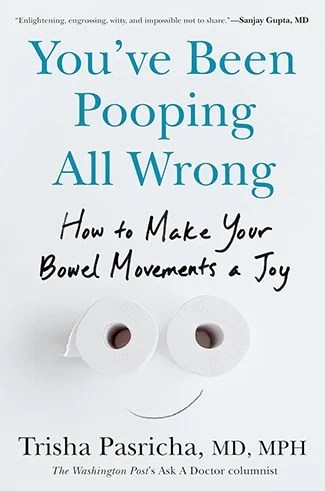
The biological necessity of defecation remains one of the few universal human experiences, yet it is frequently shrouded in social stigma and medical misunderstanding. Dr. Trisha Pasricha, a Harvard-affiliated gastroenterologist at Massachusetts General Hospital and author of the newly released book You’ve Been Pooping All Wrong: How to Make Your Bowel Movements a Joy, argues that the modern approach to digestive health requires a fundamental shift. In a comprehensive discussion regarding the mechanics of the human gut, Dr. Pasricha highlights that digestive efficiency is not merely a matter of comfort but a critical pillar of systemic health, influencing everything from mental well-being to the prevention of chronic colorectal conditions.
The Evolution of Gastrointestinal Awareness
For decades, the topic of bowel movements was relegated to the fringes of medical discourse, often discussed only when pathology—such as colon cancer or inflammatory bowel disease—became evident. However, the contemporary medical landscape is witnessing a "gut health revolution." Research into the microbiome and the enteric nervous system (often called the "second brain") has positioned the gastrointestinal (GI) tract at the center of holistic medicine.
Dr. Pasricha’s work arrives at a time when digestive disorders are on the rise globally. According to data from the American Gastroenterological Association, nearly 40% of Americans have had their daily lives disrupted by digestive symptoms. The economic burden is equally significant; chronic constipation alone accounts for millions of physician visits annually and billions of dollars in healthcare expenditures. Dr. Pasricha posits that many of these issues stem from a lack of "toilet literacy"—a misunderstanding of the anatomy, positioning, and dietary habits required for healthy elimination.
The Anatomy of Defecation: Why Modern Toilets May Be Flawed
A primary focus of Dr. Pasricha’s analysis is the structural misalignment caused by the standard Western toilet. From an evolutionary perspective, the human body is designed to squat during defecation. This position optimizes the "anorectal angle." In a seated position, the puborectalis muscle—a sling-like muscle that wraps around the rectum—remains partially contracted, creating a kink in the passage that prevents the smooth exit of stool.
When a person squats, this muscle relaxes completely, straightening the pathway and allowing for easier evacuation with less straining. Dr. Pasricha notes that chronic straining is a primary precursor to hemorrhoids, pelvic floor dysfunction, and rectal prolapse. To bridge the gap between modern plumbing and biological requirements, the use of toilet stools to elevate the knees above the hips has been clinically shown to decrease strain and time spent on the toilet.
The Digital Distraction: The Dangers of Smartphones in the Restroom
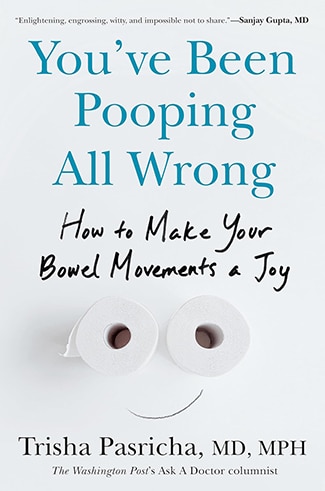
One of the most pressing behavioral concerns identified by Dr. Pasricha is the ubiquity of smartphones in the bathroom. What was once a brief biological task has, for many, become a prolonged period of digital consumption. This "extended sitting" poses significant physiological risks.
When an individual sits on a toilet for an extended duration—beyond the 5 to 10 minutes required for a bowel movement—the design of the toilet seat causes the rectum to sit lower than the rest of the pelvic floor. Gravity, combined with the lack of support for the anal area, causes blood to pool in the veins surrounding the anus. This increased pressure leads to the development and inflammation of hemorrhoids. Medical professionals now advise that the bathroom should be treated as a "no-phone zone" to prevent the unconscious prolongation of sessions that damage the vascular integrity of the lower GI tract.
Dietary Interventions: Moving Beyond the Prune
While the importance of fiber is well-documented, Dr. Pasricha introduces nuanced clinical findings regarding specific foods that outperform traditional remedies. While prunes have long been the gold standard for treating constipation due to their high fiber and sorbitol content, recent clinical trials suggest a new frontrunner: the green kiwi.

A 2021 study published in The American Journal of Gastroenterology compared the efficacy of prunes, psyllium husk, and green kiwis. The results indicated that consuming two kiwis per day was as effective as prunes in increasing bowel movement frequency but was associated with significantly lower rates of bloating and abdominal pain. Kiwis contain actinidin, a natural enzyme that aids protein digestion, and a unique fiber structure that holds water more effectively than other fruits. Dr. Pasricha emphasizes that for many patients, dietary "crowding in"—adding specific functional fruits—is more sustainable and effective than relying on over-the-counter laxatives.
The Psychology of the "Mariko Aoki" Phenomenon
The intersection of environment and digestion is perhaps most curiously illustrated by the "Mariko Aoki phenomenon"—the specific urge to defecate that many people experience upon entering a bookstore or library. While once dismissed as an urban legend, Dr. Pasricha explains that there are several scientific hypotheses for this occurrence.
One theory involves the "Pavlovian" association between the smell of paper, ink, and the relaxing environment of a bookstore, which may trigger the parasympathetic nervous system (the "rest and digest" mode). Others suggest it is a reaction to the physical act of browsing, which involves light walking and bending—movements that naturally stimulate peristalsis. Understanding these triggers can help individuals manage "parcopresis" (the inability to defecate in public), as it demonstrates how much the brain-gut axis is influenced by external sensory input.

The Case for the Bidet: Hygiene and Health
A significant portion of Dr. Pasricha’s advocacy focuses on the adoption of the bidet. While common in Europe and Asia, the bidet has seen slow adoption in North America until recently. From a medical standpoint, the bidet is superior to toilet paper for several reasons:
- Reduced Irritation: Excessive wiping with dry paper can lead to "pruritus ani" (anal itching) and micro-tears in the skin.
- Hygiene: Water provides a more thorough cleaning, reducing the risk of urinary tract infections (UTIs) and the spread of bacteria.
- Pelvic Health: For individuals with hemorrhoids or those recovering from childbirth, the gentle stream of a bidet provides symptomatic relief without the friction of paper.
The environmental impact is also a factor, as the production of toilet paper requires millions of trees and billions of gallons of water annually. Dr. Pasricha suggests that the shift toward bidets represents both a personal health improvement and a move toward more sustainable living.
Chronology of Digestive Health Guidelines
The evolution of these recommendations follows a clear timeline of medical advancement:

- 1970s-1980s: The "Fiber Hypothesis" gains traction, focusing primarily on whole grains and wheat bran.
- 1997: The Bristol Stool Scale is developed at the University of Bristol, providing a standardized medical tool for patients to describe stool consistency (Types 1–7).
- Early 2010s: The commercial success of "toilet stools" brings the conversation of squatting vs. sitting into the mainstream.
- 2020-Present: Post-pandemic hygiene shifts and the "kiwi study" redefine the standard of care for chronic constipation and home-based GI management.
Broader Impact and Public Health Implications
The implications of Dr. Pasricha’s findings extend beyond individual comfort. By destigmatizing the conversation around bowel movements, healthcare providers can identify serious conditions, such as colorectal cancer, at earlier, more treatable stages. Changes in stool color (such as black or tarry stools indicating upper GI bleeding) or persistent changes in frequency are often ignored by patients due to embarrassment.
Furthermore, the "You’ve Been Pooping Wrong" movement highlights the need for better pelvic floor physical therapy. Many digestive issues are not "gut" issues but "exit" issues, where the muscles of the pelvic floor have forgotten how to coordinate correctly. Dr. Pasricha’s integration of Harvard-level science with practical, everyday advice aims to empower patients to take control of a function that is vital to their longevity.
As the medical community continues to explore the complexities of the human microbiome, the advice offered by Dr. Pasricha serves as a foundational guide. By optimizing the mechanics, timing, and nutrition associated with defecation, individuals can significantly reduce their risk of chronic disease and improve their daily quality of life. The message is clear: the path to overall health may very well begin with a better understanding of the most basic of human functions.

0 Comments