
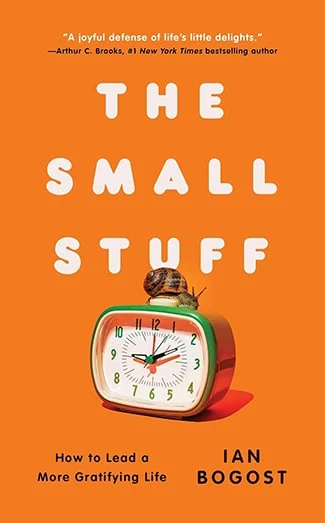
The Philosophy of Sensory Enchantment
At the heart of the current discussion is what Bogost describes as "sensory enchantment." This concept posits that human satisfaction is frequently derived from the "friction" of the physical world. For decades, the primary goal of technological advancement has been the removal of friction: making processes faster, smoother, and less reliant on physical effort. However, this pursuit of efficiency often results in a "flattening" of experience. When an individual interacts with a touchscreen to adjust the temperature in a car, they receive the same haptic feedback—or lack thereof—as they do when checking an email or playing a mobile game.
In contrast, the physical world offers a diverse array of sensory inputs. Bogost points to the specific, localized pleasure of breaking an icicle off a roof or the rhythmic "avalanche" of cubes from a traditional hotel ice machine. These experiences provide a sense of agency and connection to the environment that digital interfaces struggle to replicate. The argument suggests that by reclaiming these small moments of engagement, individuals can find a sense of groundedness in an increasingly ephemeral society.
The Evolution of the Tactile Environment
The transition from a mechanical world to a digital one has occurred with remarkable speed. To understand the current state of "tactile deprivation," one must examine the chronology of interface design over the last half-century.
In the mid-20th century, the human-machine interface was defined by high-tactility mechanical controls. Radios utilized weighted knobs that provided physical resistance; typewriters required a specific force to strike the paper; and industrial machinery relied on levers and pulleys that gave immediate, physical feedback regarding the state of the machine.
The 1980s and 1990s introduced the "push-button" era. While still physical, these interfaces began to standardize the tactile experience. However, the true shift occurred with the advent of the smartphone in the late 2000s. The introduction of the capacitive touchscreen replaced a multitude of specialized physical tools with a single glass pane. This "convergence," while technologically impressive, effectively erased the unique physical signatures of different tasks.
By the 2020s, this trend reached its zenith with the implementation of QR code menus in restaurants and digital boarding passes in aviation. What was once a ritual—the flipping of a heavy cardstock menu or the folding of a paper ticket—became a sterile interaction with a personal device. Bogost’s work suggests that this removal of the "objecthood" of daily life contributes to a sense of alienation, as the world becomes a series of generic swipes and taps.
Supporting Data: The Impact of Digital Ubiquity
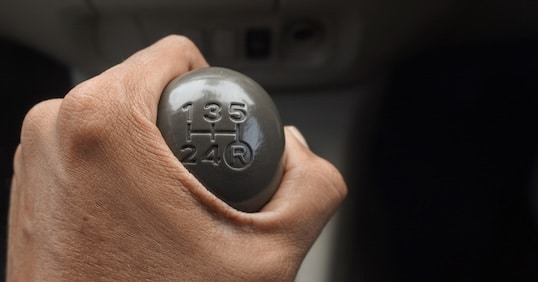
The move toward a haptic-less world is supported by significant market data, yet it is simultaneously meeting resistance from consumers. According to data from the Environmental Protection Agency (EPA) and various automotive industry trackers, the availability of manual transmissions in new vehicles has plummeted. In 1980, roughly 35% of cars sold in the United States featured a manual gearbox; by 2023, that number had fallen below 2%. While automatic transmissions are objectively more efficient, enthusiasts argue that the loss of the "stick shift" removes the driver’s primary physical connection to the vehicle’s mechanical soul.
Furthermore, research into "digital fatigue" indicates a growing appetite for analog alternatives. A 2023 report on consumer trends noted a significant "analog resurgence," with vinyl record sales surpassing CD sales for the first time since 1987. Similarly, sales of physical books have remained resilient despite the predicted dominance of e-readers. These trends suggest that when given a choice, a significant portion of the population prefers the weight, texture, and permanence of physical media.

In the realm of psychology, the concept of "proprioception"—the sense of self-movement and body position—is often linked to tactile interaction. Occupational therapists have long noted that manipulating physical objects can reduce stress and improve cognitive focus. The lack of varied tactile input in a digital-first environment may contribute to the "brain fog" and "zoom fatigue" reported by many modern office workers.
The Case for Physical Controls in High-Stakes Environments
The debate over touchscreens versus physical buttons is not merely a matter of aesthetic preference; it has significant implications for safety and ergonomics. In recent years, several major automotive manufacturers, including Volkswagen and Mazda, have faced criticism for moving essential controls (such as volume and climate settings) to touchscreen menus.
Official responses from safety organizations, such as the European New Car Assessment Programme (Euro NCAP), have reflected this concern. In early 2024, Euro NCAP announced new guidelines that would require cars to have physical controls for basic functions—such as turn signals, windshield wipers, and hazard lights—to receive a maximum five-star safety rating. The organization noted that touchscreens require drivers to take their eyes off the road, whereas physical buttons can be operated by "muscle memory" and tactile feel alone.

This shift back toward physical buttons in the automotive sector serves as a practical validation of Bogost’s philosophical argument. It demonstrates that the "joy" of a knob or button is often rooted in its superior functionality and the clarity of communication it provides between the human and the machine.
Broader Impact and the Future of Interaction
The implications of Bogost’s The Small Stuff extend into the realms of urban planning, product design, and mental health. As cities become "smarter" and homes become more "connected," the opportunities for sensory enchantment may continue to dwindle unless intentional design choices are made.
Architects and designers are beginning to respond to this "sensory poverty" by incorporating more natural materials and tactile variety into public spaces. This movement, often referred to as "biophilic design," emphasizes the importance of touching wood, stone, and water. Similarly, the "Right to Repair" movement and the DIY (Do-It-Yourself) culture represent a desire to interact with the physical components of our world, rather than treating them as "black boxes" that cannot be touched or understood.

Ian Bogost’s exploration of the physical world serves as a reminder that the "good life" is not found solely in high-level achievements or digital accolades. Instead, it is often found in the "small stuff"—the tactile feedback of a well-made tool, the cold snap of an icicle, and the satisfying click of a physical switch.
As society continues to navigate the complexities of the digital age, the "joy of touching grass" and its mechanical equivalents provides a necessary counterbalance. It suggests that the path to a more meaningful existence may not be found in the next software update, but in the deliberate engagement with the tangible, resistant, and wonderfully "un-optimized" world of physical objects. The resurgence of interest in these experiences signals a collective realization: while the digital world offers convenience, the physical world offers a sense of being truly alive.

0 Comments