
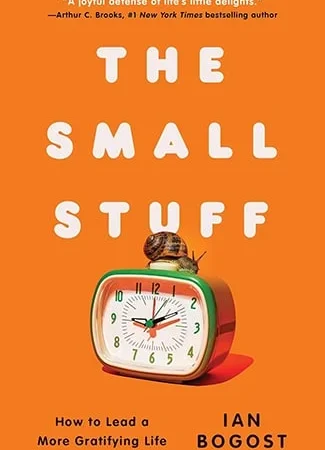
The Erosion of the Physical Interface
Over the past two decades, the global consumer landscape has undergone a radical shift from mechanical interfaces to digital, capacitive touchscreens. This transition, while often framed as progress toward efficiency and sleek design, has systematically removed the "haptic feedback" that once defined human-object interaction. In the late 20th century, the majority of household and industrial appliances relied on physical buttons, knobs, and levers. These components provided immediate, non-visual confirmation of an action: the "click" of a light switch or the resistance of a tuning dial on a radio.
The introduction of the smartphone in the mid-2000s accelerated the demise of these tactile interfaces. By 2026, the "everything-on-a-screen" philosophy has extended beyond personal electronics into automotive design, home appliances, and public infrastructure. Modern electric vehicles (EVs), for instance, have largely replaced physical climate control knobs and volume dials with nested digital menus on large central displays. Bogost argues that this shift does more than just change the aesthetic of a dashboard; it fundamentally alters the driver’s sense of agency and control.
A Chronology of Dematerialization
The process of dematerialization—the transition from physical goods and interactions to digital services—has occurred in distinct phases:
- The Mechanical Era (Pre-1980s): Human interaction with technology was almost entirely tactile. Objects were designed with repairability and physical feedback in mind.
- The Digital Transition (1980s–2000s): The introduction of the personal computer and the early internet began to move information into the digital realm, though the hardware remained heavily tactile (e.g., mechanical keyboards, floppy disks).
- The Touchscreen Revolution (2007–2015): The launch of the iPhone and subsequent mobile devices popularized the capacitive touchscreen, leading to the "flat design" movement which prioritized visual minimalism over tactile utility.
- The Automation and QR Era (2020–Present): Accelerated by the COVID-19 pandemic, the push for "contactless" experiences led to the widespread replacement of physical artifacts—such as restaurant menus, boarding passes, and cash—with digital alternatives accessed via smartphones.
This chronology illustrates a steady retreat from the physical world. Bogost posits that this retreat has led to a state of "sensory poverty," where the richness of the physical environment is replaced by the uniform smoothness of Gorilla Glass.
Psychological Dimensions of Tactile Engagement
The importance of physical interaction is supported by a growing body of research in the fields of haptics and cognitive psychology. Haptic perception, the process of recognizing objects through touch, involves both somatosensory perception (the sensations on the skin) and proprioception (the sense of the position and movement of the body).
Data from the field of educational psychology suggests that tactile engagement is linked to memory retention and cognitive mapping. A 2023 study published in the Journal of Consumer Research found that individuals who used physical paper planners reported a higher degree of "temporal ownership" and better task management than those using digital calendars. The physical act of writing and the spatial layout of the page provided cognitive anchors that digital interfaces lack.
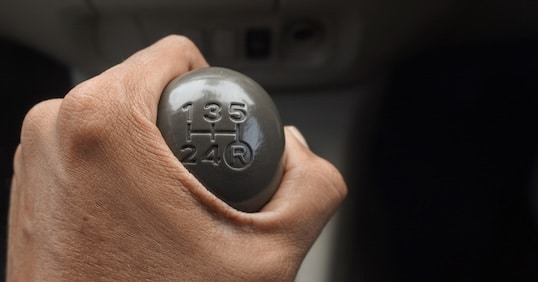
Furthermore, the "IKEA effect"—a cognitive bias in which consumers place a disproportionately high value on products they partially created or interacted with physically—highlights the psychological reward of manual labor. Bogost applies this concept to the "small stuff," suggesting that the effort required to operate a manual transmission or the specific sound of a hotel ice machine provides a sense of "sensory enchantment" that digital automation cannot replicate.
Supporting Data: The Analog Resurgence
Despite the trend toward digitization, market data reveals a counter-movement of consumers seeking out tactile experiences. This "analog resurgence" serves as a factual indicator of the enduring value of physical objects.

- Vinyl Records: According to the Recording Industry Association of America (RIAA), vinyl record sales have seen consecutive growth for 17 years. In 2023, vinyl albums outsold CDs in units for the second time since 1987, with consumers citing the "ritual" of playing a record—handling the sleeve, placing the needle—as a primary motivator.
- Physical Books: Data from Nielsen BookScan indicates that print book sales have remained resilient, often outperforming e-books in key demographics. Readers frequently cite "screen fatigue" and the tactile experience of turning pages as reasons for preferring physical media.
- Mechanical Keyboards: The market for mechanical keyboards has expanded from a niche hobby for programmers to a mainstream consumer trend. Market research firms estimate the global mechanical keyboard market will reach $2.5 billion by 2030, driven by users seeking the tactile "click" and physical resistance absent from laptop membrane keyboards.
These trends suggest that while digital tools offer convenience, they fail to satisfy the human biological need for physical connection and feedback.
Official Responses and Design Philosophy
The design community has begun to respond to the critiques leveled by Bogost and other advocates for tactile interfaces. In the automotive industry, several manufacturers have faced backlash for moving essential functions to touchscreens. In 2024, Euro NCAP (the European New Car Assessment Programme) announced plans to introduce new requirements that would penalize vehicles lacking physical controls for critical functions like turn signals, windshield wipers, and horns. This move is a direct acknowledgment that tactile controls are safer and more intuitive than digital menus.
Similarly, in the realm of industrial design, there is a burgeoning movement toward "Neo-Physicalism." This philosophy advocates for the "joy of the click" and the "logic of the knob." Designers are increasingly incorporating haptic engines—tiny motors that simulate the feel of a physical button on a flat surface—into devices. However, Bogost argues that simulated haptics are a poor substitute for true mechanical interaction, as they lack the permanence and "thingness" of real objects.

Broader Impact and Social Implications
The move away from the physical world has broader social and environmental implications. The "dematerialized" world is often less accessible to individuals with visual impairments or motor skill challenges who rely on tactile cues to navigate their environment. When a physical button is replaced by a flat screen, a primary mode of navigation is lost for these populations.
Environmentally, the transition to digital-only interfaces contributes to the problem of planned obsolescence. A physical knob or a mechanical ice machine can often be repaired with basic tools. In contrast, a failed touchscreen or a software-locked interface often requires the replacement of the entire unit, leading to increased electronic waste. The "Right to Repair" movement has identified the lack of physical, modular components in modern devices as a major hurdle to sustainability.
Furthermore, the loss of "small moments of gratification" may contribute to the rising rates of digital burnout and alienation. Bogost suggests that by reclaiming these interactions—by choosing the physical boarding pass or the manual tool—individuals can ground themselves in the "here and now." This "touching grass" philosophy, while often used as a colloquialism for disconnecting from the internet, is presented by Bogost as a literal necessity for maintaining a sense of reality.

Conclusion: The Future of Sensory Enchantment
The discourse surrounding The Small Stuff and the broader cultural movement it represents suggests a pivotal moment in human-technology relations. As automation continues to advance, the value of the "un-automated" becomes more apparent. The challenge for future designers and consumers will be to find a balance between the undeniable convenience of digital systems and the fundamental human need for physical engagement.
Reclaiming the joy of touching grass, knobs, and buttons is not merely a nostalgic retreat into the past, but a strategic re-engagement with the physical world. It is an assertion that the human experience is not lived solely in the mind or on a screen, but through the hands and the senses. As society moves further into the 21st century, the preservation of the "small stuff" may prove to be a vital component of psychological resilience and cultural richness.

0 Comments