
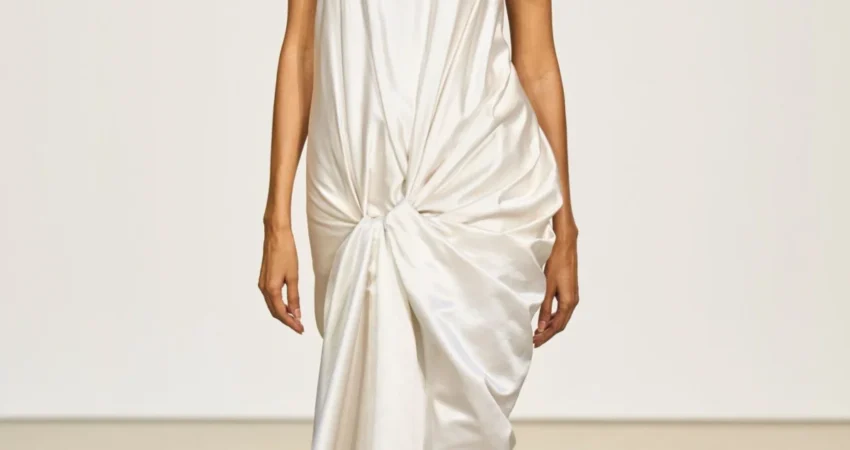
Prabal Gurung’s Spring 2027 Ready-to-Wear collection, unveiled during the height of New York Fashion Week, signaled a pivot toward fluid simplicity, a departure from the designer’s signature complex constructions and high-octane glamour. Centered on the concept of "freedom"—specifically the freedom found in inhabiting one’s own body—the collection showcased a sophisticated balance between the ancient architectural traditions of Nepal and the kinetic energy of the modern New York club scene. By stripping back layers of artifice, Gurung presented a series of silhouettes that prioritized movement, technical ingenuity, and a refined color palette, marking a significant evolution in his nearly two-decade-long career.
The Convergence of Dual Inspirations: From Kathmandu to Brooklyn
The creative genesis of the Spring 2027 collection was rooted in two disparate geographic and cultural experiences. The first occurred in June, when Gurung returned to his home country of Nepal. During this visit, he spent time observing the dhunge dharas, the communal stone-carved water fountains that have served as public water sources in the Kathmandu Valley for centuries. The sight of flowing water against the weathered, solid stone, combined with the ubiquitous presence of women in flowing saris with jasmine and marigold woven into their hair, provided the foundational imagery for the collection’s "liquid" silhouettes.
The second point of inspiration was more contemporary and urban. Following the Met Gala in May, Gurung attended an all-night event in Brooklyn. The designer noted that the early-morning energy of the dance floor, where communal joy and individual expression intersected, offered a different but complementary perspective on the idea of freedom. This juxtaposition—the timeless, spiritual fluidity of Nepal and the transient, electric movement of a New York rave—served as the catalyst for the collection’s aesthetic tension. Gurung sought to reconcile these "two opposite worlds" within a single creative space, resulting in garments that feel both grounded in heritage and attuned to the present moment.
Chronology of Development and Technical Challenges
The transition from inspiration to the final runway presentation involved a rigorous period of technical experimentation that spanned several months. While the final garments appeared effortless, the path to achieving that specific "fluid simplicity" was fraught with manufacturing hurdles.
- May 2026: Initial conceptualization begins following the Met Gala, focusing on the energy of communal spaces.
- June 2026: Gurung’s trip to Nepal solidifies the aesthetic direction, emphasizing draped silhouettes and a palette inspired by South Asian flora.
- July – September 2026: The design team enters a three-month research and development phase. The primary challenge was working with linen, a fabric known for its rigidity and tendency to wrinkle, to achieve a liquid, draped effect.
- October 2026: The technical breakthrough occurs when Gurung experiments with lining linen with silk organza. This internal structure provided the necessary weight and "click" to the drape without compromising the organic appearance of the exterior fabric.
- February 2027: The collection debuts at New York Fashion Week.
The designer’s insistence on perfecting the linen-draping technique underscores a broader trend in the luxury market: a move away from superficial ornamentation toward technical mastery and fabric innovation. Gurung himself noted that the silk organza lining was, in many ways, "more precious" than the visible linen, reflecting a commitment to internal quality that has become a hallmark of high-end artisanal fashion.
Analysis of Key Silhouettes and Textile Innovation
The collection opened with a series of garments that established a "quieter" tone than previous seasons. The initial looks featured a draped gown and three slender, backless maxidresses, signaling a shift toward minimalism. However, this minimalism was characterized by intricate construction rather than a lack of detail.
The Draped Aesthetic
A standout piece was a chartreuse draped dress that mirrored the flow of water from the dhunge dharas. The use of draping served as a nod to the traditional sari, but it was reimagined through a Western lens of evening wear. The collection also featured a striking red gown accented with a bustle of ostrich feathers trailing to the floor, which served as a bridge between the collection’s overall restraint and Gurung’s penchant for dramatic flair.
Floral and Color Palette
The color story was heavily influenced by the flora of Nepal. Marigold and "sunrise" yellows were prominent, most notably in a high-neck crocheted dress that combined artisanal craft with a contemporary silhouette. Lilac and chartreuse provided cooling contrasts, while delicate floral embroideries appeared on cropped jackets and sarongs. These sarongs, often tied over pants, referenced traditional South Asian dress codes while offering a versatile, layered look suitable for a global audience.
The Fusion of Utility and Elegance
One of the most praised aspects of the collection was its versatility. A lilac-hued dress, designed to slip casually off the shoulder and tied at the hem, was described as being equally suited for a traditional setting or a "slippery dance floor." This duality is a strategic response to the changing demands of luxury consumers who seek garments that can transition between different social and cultural contexts.
Industry Context: The Shift Toward "Quiet Luxury" and Heritage
The Spring 2027 collection arrives at a time when the global fashion industry is navigating a transition. After years of logo-heavy "logomania" and "dopamine dressing," there is a documented return to "quiet luxury"—a focus on silhouette, material, and craftsmanship. Prabal Gurung’s decision to embrace restraint aligns him with this movement, yet his infusion of Nepalese heritage ensures that the work remains distinct and personal.
Supporting data from luxury retail analysts suggests that consumers in the "high-net-worth" bracket are increasingly prioritizing "storytelling" and "authenticity" in their purchases. By drawing directly from his cultural roots and the specific architectural history of Kathmandu, Gurung provides a narrative that resonates with this demand. Furthermore, the global market for South Asian-inspired luxury fashion has seen a projected compound annual growth rate (CAGR) of 6.5% as designers from the diaspora continue to gain prominence on the world stage.
Official Reactions and Market Implications
While official reviews from major fashion publications have lauded the collection for its technical execution, some critics noted that the placement of drapes on certain linen pieces could have been adjusted for better proportions on the models. Nevertheless, the consensus among industry insiders is that the collection represents a "winning statement" for Gurung.
Statements from the Designer
Reflecting on the collection’s reception, Gurung emphasized that the technical struggle was necessary to achieve the desired emotional impact. "This season the word that kept coming to mind was freedom," he stated. "Freedom in terms of inhabiting yourself." This sentiment reflects a broader cultural shift toward body positivity and the idea that clothes should serve the wearer, rather than the wearer serving the clothes.
Broader Implications for NYFW
Gurung’s Spring 2027 show also highlights the resilience of New York Fashion Week as a platform for diverse voices. As one of the most prominent AAPI designers in the industry, Gurung’s ability to weave his heritage into a commercially viable and critically acclaimed collection sets a benchmark for his peers. The collection’s success suggests that "restraint" does not have to mean a loss of identity; rather, it can be a tool for sharpening a designer’s core message.
Conclusion: A New Chapter of Restraint
Prabal Gurung’s Spring 2027 collection is a testament to the power of artistic evolution. By looking backward to his roots in Nepal and forward to the spontaneous energy of New York’s youth culture, Gurung has found a middle ground defined by "fluid simplicity." The collection’s focus on technical innovation, specifically the three-month development of lined linen, demonstrates a commitment to the craft of dressmaking that transcends seasonal trends.
As the fashion industry continues to grapple with questions of sustainability, cultural representation, and consumer relevance, Gurung’s latest offering provides a compelling answer. It suggests that the future of luxury lies in garments that are thoughtfully constructed, culturally grounded, and, above all, designed to provide the wearer with the freedom to be themselves. For Gurung, this season was not just about making a beautiful dress; it was about mastering the art of restraint to reveal the essence of the woman wearing it.

0 Comments