
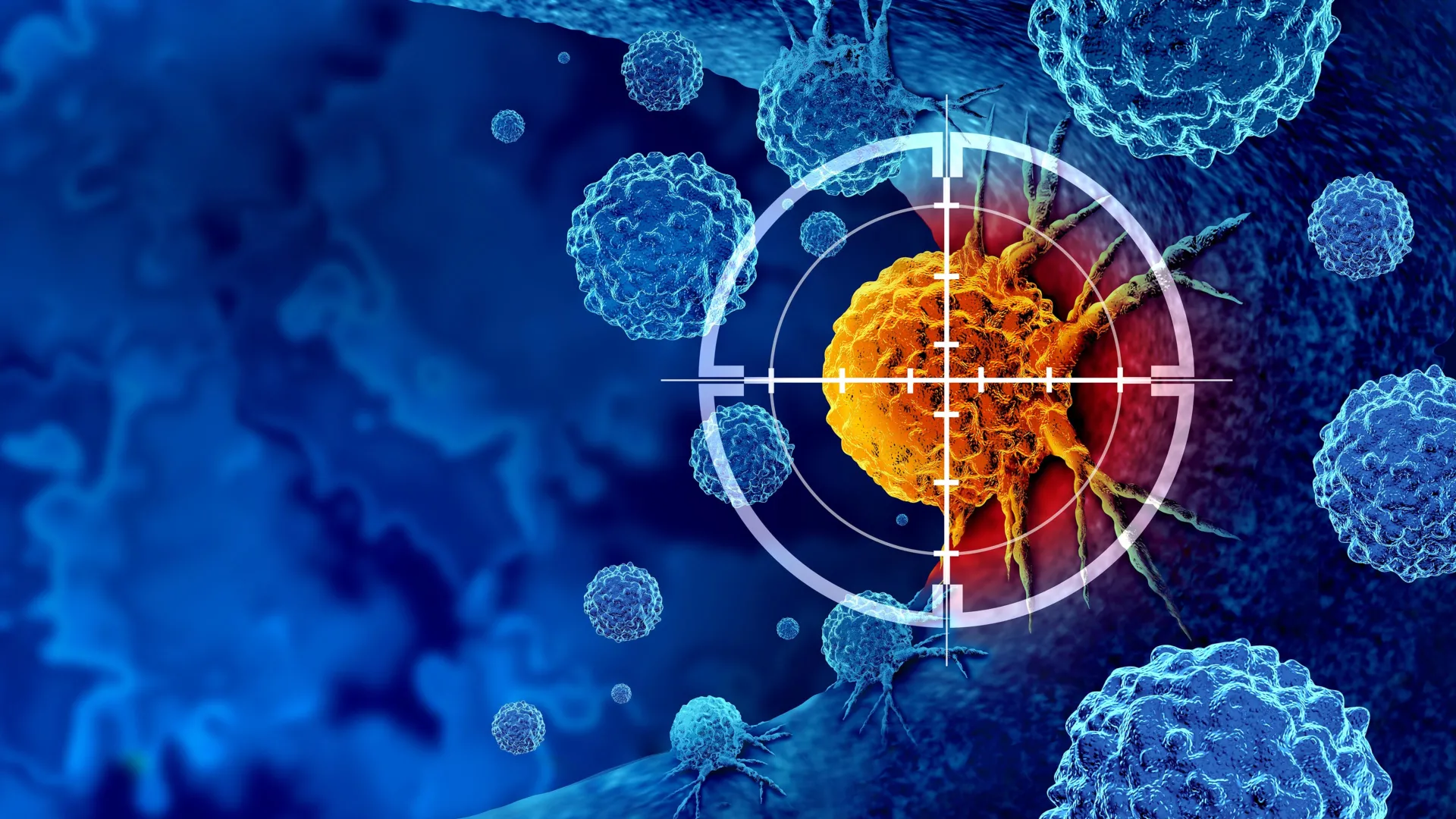
Prostate cancer, a prevalent malignancy affecting millions worldwide, has long presented a formidable challenge for immunotherapy, a revolutionary class of cancer treatments designed to harness the body’s own immune system to combat disease. The inherent resistance of prostate tumors to immune-mediated destruction has limited the efficacy of these groundbreaking therapies for a significant portion of patients. However, a groundbreaking development from researchers at the University of Rochester Medicine, in collaboration with a team from Duke University School of Medicine, offers a beacon of hope. They have engineered an experimental RNA targeting technology that could dramatically enhance the susceptibility of prostate tumors to immune attack, potentially transforming treatment paradigms for this persistent cancer.
The core of the problem lies in the "immune cold" nature of most prostate tumors. These tumors are characterized by a profound lack of T cells, the critical immune soldiers responsible for identifying and eradicating cancerous cells. Without a sufficient T cell infiltration, immunotherapies, which rely on these cells to recognize and destroy cancer, find themselves severely handicapped. The newly developed technology, utilizing a CRISPR-based system, directly intervenes at the RNA level within prostate cancer cells. By precisely altering specific RNA molecules, the researchers have effectively "warmed up" these tumors, making them far more visible and attractive targets for the immune system’s cancer-fighting components.
A Novel Approach to Overcoming Immune Evasion
The findings, meticulously detailed in the prestigious journal Nature Biomedical Engineering, demonstrate a significant breakthrough. In preclinical studies conducted on mice, this innovative RNA-targeting technology demonstrated a remarkable ability to improve the responsiveness of prostate tumors to immune checkpoint therapy. This class of immunotherapy works by releasing the brakes on the immune system, allowing T cells to more effectively attack cancer. The experimental treatment led to a substantial increase in T cell infiltration into the tumors. Once inside, these immune cells mounted a vigorous assault, successfully attacking and destroying cancer cells.
Dr. Eric J. Wagner, a co-author of the study and a professor of Biochemistry and Biophysics at the University of Rochester Medicine, emphasized the transformative potential of this research. "Immune therapy represents a monumental shift in how we approach cancer treatment, offering a path that avoids the harsh side effects of traditional chemotherapy that can indiscriminately harm healthy cells," Dr. Wagner stated. "However, a significant hurdle remains: while some cancers respond exceptionally well to immunotherapy, others develop resistance or fail to respond altogether. Our tool addresses this critical gap by bolstering the immune system’s capacity to eliminate cancer. It holds the promise of being used synergistically with existing immunotherapies, not only for prostate cancer but potentially for other types of ‘immune cold’ tumors as well."
Unraveling the Mechanisms of Immunotherapy Resistance
The genesis of this pioneering research can be traced back over a decade to an intriguing discovery made by Dr. Wagner’s team while investigating glioblastoma, an aggressive form of brain cancer. They observed that a significant proportion of messenger RNAs (mRNAs) within tumor cells were abnormally shortened compared to their normal counterparts. Subsequent research, by Dr. Wagner’s group and other independent scientific bodies, has confirmed that this mRNA shortening is a widespread phenomenon across various cancer types. Scientists theorize that this phenomenon is a sophisticated survival mechanism employed by tumors, enabling them to adapt, evade detection, and resist therapeutic interventions.
Messenger RNA molecules serve as crucial intermediaries, carrying genetic instructions from DNA to the cell’s protein-synthesis machinery. This process ultimately translates the genetic code into functional proteins that are essential for cellular and bodily operations. Shortened mRNAs exhibit enhanced stability within the cellular environment. This increased resilience allows them to persist for longer durations, potentially leading to the sustained production of specific proteins that contribute to tumor growth and immune evasion. Analogous to how some animals reduce their surface area for protection, these compact mRNAs present a less accessible profile to cellular enzymes that would normally degrade them.
Furthermore, the regulation of these shortened mRNAs within cells becomes less precise. Their extended lifespan means they can continue to drive protein production unchecked by normal cellular control mechanisms. This dysregulation can contribute to the uncontrolled proliferation and survival of cancer cells, further complicating treatment efforts.
The Crucial Role of MHC-1 in Immune Recognition
A primary reason why tumors can evade immune surveillance and remain "immune cold" is the downregulation or complete loss of the Major Histocompatibility Complex class I (MHC-I) pathway. The MHC-I complex acts as a critical molecular billboard on the surface of cells, displaying fragments of proteins present within the cell. This presentation is vital for T cells, as it allows them to distinguish between healthy "self" cells and foreign invaders or cancerous cells. When MHC-I expression is diminished or absent on tumor cells, they become virtually invisible to T cells, effectively shielding them from immune-mediated destruction.
The research team’s investigation uncovered a specific cascade of events within prostate cancer cells that leads to the suppression of this vital immune signaling pathway. While the precise details of this chain of events were complex, it ultimately resulted in the tumor cells losing their ability to present the necessary signals for T cell recognition. This molecular subterfuge allows the cancer to proliferate and spread without triggering a robust immune response.
CRISPR-Mediated Restoration of Immune Signaling
The collaborative research effort, spearheaded by scientists at Duke University School of Medicine, ingeniously devised a novel therapeutic strategy. Their approach centers on restoring the normal length of the mRNA responsible for producing a key protein, identified as SPSB1. By employing an RNA-based CRISPR Cas13 system, a cutting-edge gene-editing tool, the researchers were able to effectively "re-lengthen" the abnormally short SPSB1 mRNA within prostate cancer cells.
Unlike some CRISPR applications that involve cutting DNA or RNA, this particular system was engineered for a more nuanced function. Instead of cleaving the mRNA, the CRISPR tool was designed to bind to a specific region of the SPSB1 mRNA molecule. This targeted binding prevented cellular machinery from accessing and shortening the crucial "tail" of the mRNA, thereby preserving its full, functional length.
The restoration of normal mRNA length had a direct and beneficial consequence: it significantly reduced the production of the SPSB1 protein by the cancer cells. This reduction, in turn, allowed for the re-establishment of the MHC-I complex on the tumor cell surface. With the MHC-I complex restored, the prostate tumors became readily identifiable by T cells.
The subsequent administration of immune checkpoint therapy in this restored environment proved to be remarkably effective. The researchers meticulously analyzed the outcomes of their experimental treatment and reported no detectable off-target effects, a critical consideration for any new therapeutic intervention. This indicates a high degree of specificity and safety in their RNA-targeting approach.
Dr. Wagner further elaborated on the groundbreaking nature of this work: "This represents an unprecedented achievement. We have developed an excellent preclinical model demonstrating that mRNAs can be compelled to regain their normal length, and crucially, that this intervention yields tangible therapeutic benefits. Cancer is remarkably adept at evolving, but it is not omnipotent. By combining immunotherapy with a synergistic agent that amplifies the immune response, such as our RNA-targeting technology, we hold the potential to achieve cures. The evolutionary pace of cancer may not be fast enough to outmaneuver such a multi-pronged attack."
Expanding the Horizon: Application to Other Immune-Cold Tumors
Buoyed by these promising results, Dr. Wagner and his team are now focused on exploring the broader applicability of this RNA-targeting technology. A key area of investigation is its potential efficacy against other types of "immune cold" cancers, which share similar challenges in responding to immunotherapy.
The research team has already secured crucial pilot funding from institutions such as the Wilmot Cancer Institute and Roswell Park Comprehensive Cancer Center. This support will facilitate the testing of their innovative technology in pancreatic cancer, another notoriously difficult-to-treat malignancy that frequently exhibits poor responsiveness to current immunotherapeutic strategies. The insights gained from these investigations could pave the way for a new generation of treatments applicable to a wider spectrum of challenging cancers.
The research was made possible through funding from the National Cancer Institute at the National Institutes of Health, underscoring the significant national investment in combating cancer and fostering innovative scientific discovery. This collaborative endeavor exemplifies the power of interdisciplinary research in tackling complex medical challenges and offers a renewed sense of optimism for patients facing difficult-to-treat cancers. The successful translation of this RNA-targeting technology from the laboratory bench to the patient bedside could represent a paradigm shift in cancer immunotherapy, making previously resistant tumors susceptible to the body’s own formidable defenses.

0 Comments