
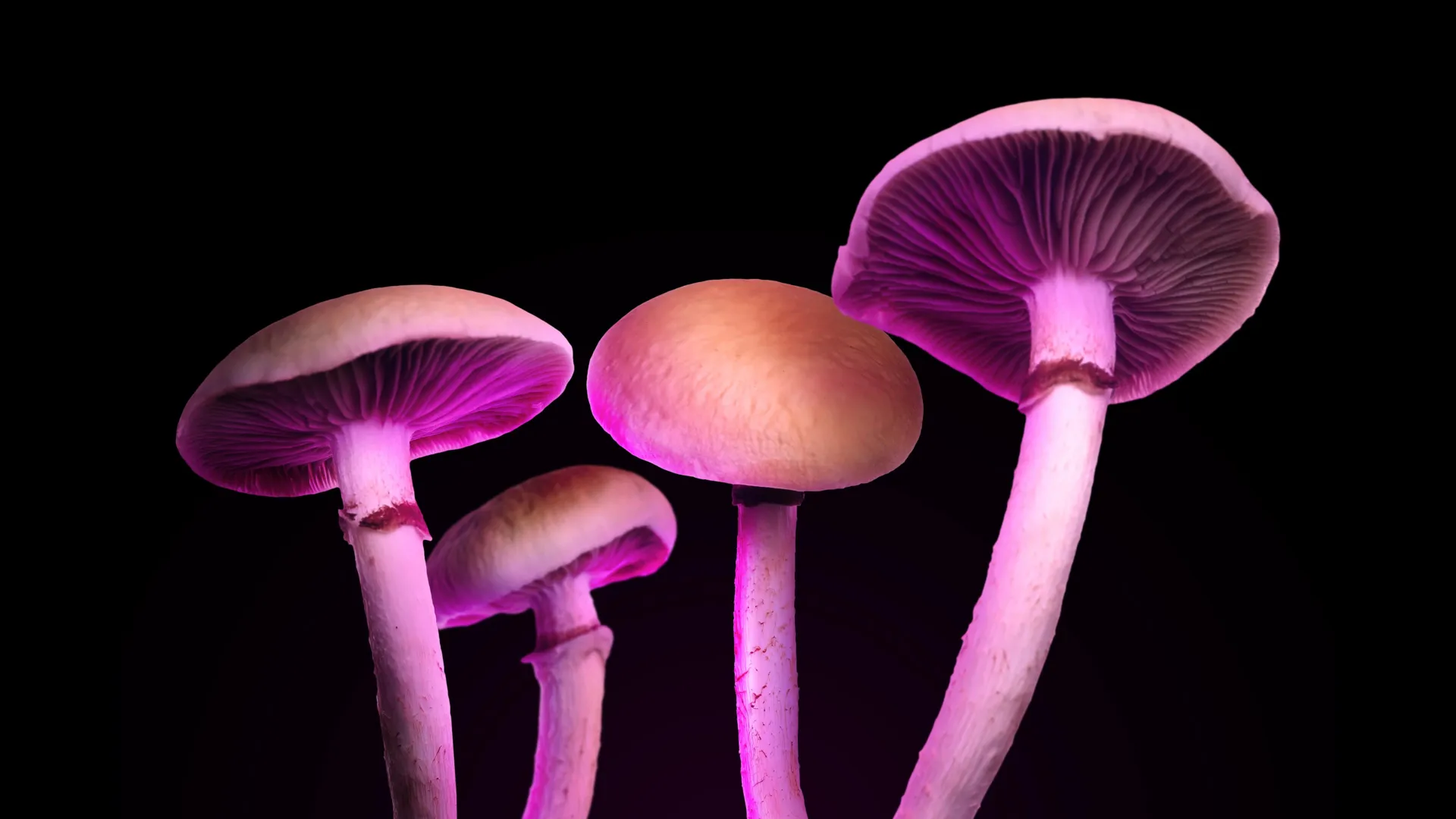
The pursuit of novel therapeutic avenues for challenging mental health conditions has led researchers to scrutinize the potential of psilocybin, the psychoactive compound found in "magic mushrooms." This interest stems from its observed efficacy in addressing a spectrum of ailments, including persistent depression, debilitating anxiety, the complexities of substance use disorders, and even certain neurodegenerative diseases. However, the very potency that underpins psilocybin’s therapeutic promise – its intense hallucinogenic effects – has simultaneously presented a significant barrier to its widespread integration into mainstream medical practice. Now, a groundbreaking study published in the ACS’ Journal of Medicinal Chemistry offers a glimmer of hope, detailing the creation of modified psilocin molecules that retain therapeutic activity while markedly diminishing hallucinogenic-like responses.
Unlocking Therapeutic Potential: Dissociating Psychedelic Effects from Serotonergic Activity
The core of this scientific advancement lies in the ability to decouple the desired therapeutic outcomes from the disorienting psychedelic experiences. Andrea Mattarei, a corresponding author of the study, articulated this pivotal insight: "Our findings are consistent with a growing scientific perspective suggesting that psychedelic effects and serotonergic activity may be dissociated. This opens the possibility of designing new therapeutics that retain beneficial biological activity while reducing hallucinogenic responses, potentially enabling safer and more practical treatment strategies." This dissociation is crucial, as it addresses a primary concern for both patients and clinicians regarding the accessibility and tolerability of psychedelic-assisted therapies.
Targeting the Serotonin Pathway: A Foundation for Mental Health Treatment
The brain’s intricate network of neurotransmitters plays a fundamental role in regulating mood, cognition, and overall mental well-being. Serotonin, in particular, is a key player, and disruptions in its signaling pathways are implicated in a wide array of psychiatric and neurological disorders. Conditions such as major depressive disorder, generalized anxiety disorder, and even the cognitive decline associated with Alzheimer’s disease have been linked to imbalances in serotonin function. For decades, scientists have been drawn to psychedelics like psilocybin due to their profound influence on serotonin receptors in the brain, specifically the 5-HT2A receptor, which is believed to mediate many of their effects.
However, the hallucinogenic nature of these compounds has historically been a double-edged sword. While offering a unique mechanism for psychological exploration and potential therapeutic breakthroughs, the intense visual and perceptual alterations can be overwhelming and even frightening for some individuals. This apprehension can deter patients from seeking treatment, even in cases where conventional therapies have proven insufficient. The research team, led by Sara De Martin, Andrea Mattarei, and Paolo Manfredi, sought to circumvent this obstacle by engineering psilocin, the active metabolite of psilocybin, into novel molecular forms. Their strategy focused on creating derivatives that would exhibit a more controlled and sustained release of the active compound into the brain, thereby modulating the intensity and duration of its effects.
The Genesis of New Psilocin Derivatives: A Detailed Chronology of Discovery
The research project, which can be broadly contextualized within the burgeoning field of psychedelic research gaining momentum in the late 2010s and early 2020s, involved a systematic approach to molecular design and validation.
Phase 1: Molecular Design and In Vitro Screening (Circa 2021-2022)
- Objective: To synthesize and evaluate a library of psilocin analogs with altered pharmacokinetic properties.
- Methodology: The team designed five distinct chemical variants of psilocin. The engineering process focused on altering the molecular structure to influence its absorption, distribution, metabolism, and excretion (ADME) profile. Specifically, the goal was to create molecules that would be absorbed more slowly and steadily from the gastrointestinal tract and subsequently release psilocin over an extended period.
- Initial Evaluation: These five candidate compounds were subjected to a series of laboratory experiments. Crucially, these included tests using human plasma samples to assess their stability and how they would behave within the biological environment of the human body. Furthermore, conditions simulating gastrointestinal absorption were employed to predict their bioavailability.
Phase 2: Identification of Promising Candidate and In Vitro Receptor Binding (Circa 2022)
- Outcome: Based on the initial in vitro assessments, one compound, designated as 4e, emerged as the most promising.
- Key Findings for 4e:
- Enhanced Stability: Compound 4e demonstrated superior stability during the simulated absorption process, suggesting a more predictable and controlled entry into the bloodstream.
- Gradual Release: Its molecular structure facilitated a gradual release of psilocin, a characteristic deemed essential for mitigating the rapid onset of intense hallucinogenic effects.
- Preserved Receptor Activity: Importantly, 4e effectively activated key serotonin receptors, particularly the 5-HT2A receptor, at levels comparable to native psilocin. This indicated that the structural modifications had not compromised its ability to engage with the intended biological targets for therapeutic effect.
Phase 3: Preclinical In Vivo Studies in Rodents (Circa 2022-2023)
- Objective: To compare the in vivo pharmacological and behavioral effects of 4e with pharmaceutical-grade psilocybin in a mammalian model.
- Methodology: Researchers administered equivalent oral doses of 4e and pharmaceutical-grade psilocybin to mice. The study meticulously tracked the concentration of psilocin in the bloodstream and brain over a 48-hour period.
- Pharmacokinetic Results:
- Blood-Brain Barrier Penetration: Both 4e and psilocybin successfully crossed the blood-brain barrier, reaching the central nervous system.
- Psilocin Levels: However, a significant difference emerged in the pattern of psilocin exposure. Mice treated with 4e exhibited a lower peak concentration of psilocin in the brain, but this concentration was sustained for a longer duration compared to the rapid and higher peak observed with psilocybin. This sustained, lower-level exposure is hypothesized to be the mechanism behind reduced hallucinogenic intensity.
Phase 4: Behavioral Analysis and Conclusion (Circa 2023)
- Objective: To assess the behavioral correlates of psychedelic-like activity in the mice.
- Methodology: The researchers observed specific behavioral indicators, with head twitches being a well-established proxy for psychedelic-like effects in rodents.
- Behavioral Findings:
- Mice treated with 4e displayed a significantly lower incidence of head twitches compared to those administered psilocybin. This behavioral observation directly supported the hypothesis that the modified compound elicits fewer psychedelic-like responses.
- Crucially, this reduction in behavioral indicators occurred despite 4e’s strong interaction with serotonin receptors, reinforcing the notion that the dissociation of psychedelic effects is achievable.
- Attributed Mechanism: The research team attributes this divergence in behavioral outcomes primarily to the rate and extent of psilocin release within the brain, rather than solely the interaction with serotonin receptors.
Broader Implications and Future Directions: The Dawn of Psychedelic-Inspired Medicines
The implications of this research are far-reaching, offering a potential paradigm shift in the development of psychedelic-inspired therapeutics. The study’s authors posit that their findings demonstrate the feasibility of creating stable psilocin-based compounds that can effectively reach the brain and engage with crucial serotonin receptors while simultaneously dampening the intense mind-altering effects commonly associated with traditional psychedelics.
This development could pave the way for a new generation of medications that harness the therapeutic power of psychedelics without the associated perceptual distortions. Such treatments could be more accessible to a wider patient population, including individuals who might be particularly sensitive to or averse to hallucinogenic experiences. Furthermore, a more controlled and predictable pharmacological profile could simplify dosing regimens, improve patient management during treatment, and potentially reduce the need for extensive psychological preparation and integration protocols that are currently considered integral to psychedelic-assisted therapy.
Potential Applications and Research Avenues:
- Enhanced Treatment for Depression and Anxiety: Modified psilocin could offer a more palatable option for individuals struggling with treatment-resistant depression and various anxiety disorders, potentially leading to quicker symptom relief and improved quality of life.
- Support for Substance Use Disorder Recovery: The ability to modulate mood and provide novel perspectives, without overwhelming hallucinations, might prove beneficial in therapeutic interventions for addiction.
- Neurological Condition Management: Further research could explore the potential of these derivatives in managing symptoms of neurodegenerative diseases, where mood regulation and cognitive function are compromised.
- Pharmacological Advancements: The study opens doors for further exploration into structure-activity relationships, allowing for even finer tuning of drug properties to optimize therapeutic efficacy and minimize adverse effects.
Expert Perspectives and Industry Collaboration
While the study itself provides compelling preclinical evidence, the broader scientific community is likely to view these findings with cautious optimism. Dr. Robin Carhart-Harris, a prominent figure in psychedelic research and Head of the Centre for Psychedelic Research at Imperial College London, has previously emphasized the importance of understanding the precise mechanisms by which psychedelics exert their therapeutic effects. The current study’s focus on dissociating effects aligns with this sentiment, suggesting that a deeper mechanistic understanding can lead to more refined therapeutic tools.
The financial backing for this research, provided by MGGM Therapeutics, LLC, in collaboration with NeuroArbor Therapeutics Inc., underscores the growing commercial interest in translating psychedelic science into tangible medical treatments. Such collaborations are vital for advancing research from the laboratory to clinical trials. The declaration of several authors as inventors on patents related to psilocin further indicates a commitment to developing these novel compounds into potential pharmaceutical products.
The Road Ahead: From Preclinical Promise to Clinical Reality
Despite the encouraging results, it is crucial to acknowledge that this research is still in its early stages. The findings are based on preclinical studies in mice, and significant hurdles remain before these modified psilocin derivatives can be considered for human use. Extensive further research will be required to:
- Elucidate Mechanisms of Action: A deeper understanding of how these molecules interact with the brain at a molecular and cellular level is essential.
- Assess Long-Term Safety: Comprehensive toxicological studies will be necessary to evaluate any potential long-term adverse effects.
- Conduct Human Clinical Trials: Rigorous, multi-phase clinical trials in human subjects will be the ultimate test of safety and efficacy. These trials will need to meticulously evaluate not only therapeutic benefits but also the subjective experience of participants and any residual hallucinogenic or other psychoactive effects.
- Regulatory Approval: Navigating the complex regulatory landscape for novel therapeutics, especially those derived from controlled substances, will be a significant undertaking.
In conclusion, the development of these novel psilocin derivatives represents a significant stride forward in the quest to unlock the full therapeutic potential of psychedelics. By offering a pathway to reduce hallucinogenic effects while preserving beneficial biological activity, this research holds the promise of creating safer, more accessible, and potentially more effective treatments for a range of debilitating mental health conditions. The journey from laboratory innovation to widespread clinical application is long and demanding, but the insights gained from this study provide a compelling roadmap for the future of psychedelic-inspired medicine.

0 Comments