
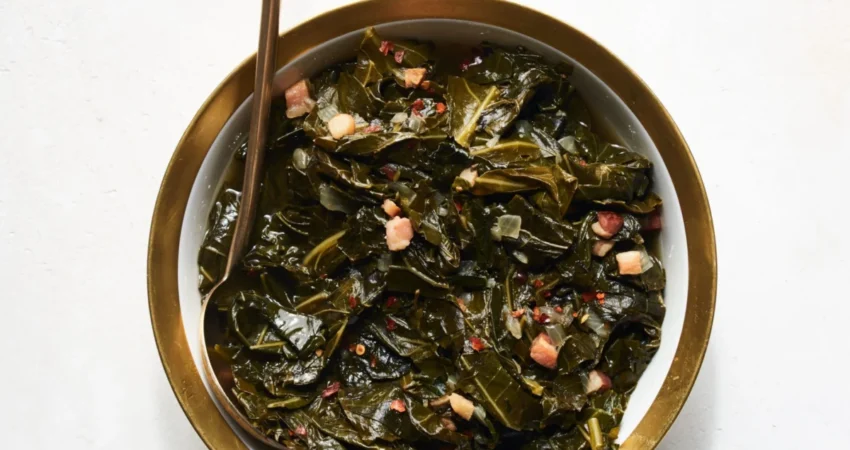
Collard greens, a staple of Southern cuisine, hold a prominent place in the region’s culinary tapestry, particularly as a traditional dish on New Year’s Day. This practice, steeped in cultural tradition and superstition, is observed by many households across the South, with the belief that consuming greens on the first day of the year ushers in prosperity and good fortune. Chef Julia Sullivan of Henrietta Red in Nashville exemplifies this tradition, serving collard greens alongside black-eyed peas every January 1st. Her personal connection to the dish underscores its generational significance. "It’s something my mom has always done, and I think my grandparents, too," Sullivan remarks, highlighting the superstitious underpinnings of this culinary ritual.
The preparation of collard greens by Chef Sullivan offers a nuanced approach to this beloved Southern dish. Her recipe draws upon a foundation of savory and subtly smoky flavors, achieved through the careful incorporation of bacon, onion, garlic, and red pepper flakes. These ingredients are simmered with the greens, allowing them to meld and soften into a silky texture within approximately an hour. The dish is then elevated with a bright, sweet-tart finish provided by apple cider vinegar and a touch of sugar. Sullivan intentionally emphasizes a tangy profile in her recipe, acknowledging that palates may vary. She advises that individuals preferring a less acidic taste can begin with a reduced amount of vinegar, approximately two tablespoons, and gradually add more to achieve their desired balance. This thoughtful approach to flavor modulation ensures the dish remains accessible and adaptable to individual preferences while respecting the core characteristics of traditional collard greens.
The Historical and Cultural Roots of Collard Greens
The widespread consumption of collard greens on New Year’s Day in the American South is deeply intertwined with a complex history of agriculture, slavery, and cultural adaptation. While the exact origins of this specific New Year’s tradition are debated, it is widely believed to have evolved from West African culinary practices brought to the Americas by enslaved people. In many West African cultures, leafy greens symbolized wealth and prosperity, often depicted as coins or money due to their verdant color. This symbolism likely carried over and merged with existing Southern traditions.
During the era of slavery, collard greens were a readily available and nutritious food source for enslaved populations. Their resilience and ability to thrive in the Southern climate made them a staple crop. The act of preparing and sharing these greens on significant occasions, including the transition into a new year, served as a form of cultural preservation and communal bonding. Following emancipation, these culinary traditions persisted and became even more firmly entrenched in Southern identity and cuisine.
A Culinary Ritual for the New Year
The practice of eating greens on New Year’s Day is not exclusive to collard greens, but they are arguably the most iconic. Other sturdy leafy greens like mustard greens and turnip greens are also popular choices, each contributing a distinct flavor profile. Mustard greens, for instance, offer a sharper, more peppery bite, while turnip greens can lend a slightly bitter, earthy note. Kale, a more globally recognized green, has also become a common substitute. The common thread among these choices is their robust nature and their association with abundance.
The New Year’s Day meal often includes other symbolic foods. Black-eyed peas, for example, are believed to represent coins or good luck, and their consumption is thought to bring financial fortune. Pork, often featured in the preparation of collard greens, is also considered auspicious, symbolizing forward progress due to the pig’s habit of rooting forward. The combination of these dishes creates a culinary tableau rich in meaning and historical resonance, intended to set a positive trajectory for the year ahead.
Preparing Collard Greens: A Step-by-Step Guide
The preparation of collard greens, while seemingly straightforward, involves several key steps to ensure optimal texture and flavor. Understanding these techniques is crucial for replicating the success of dishes like Chef Sullivan’s.
Cleaning and Prepping Collard Greens:
The initial and perhaps most critical step is thorough cleaning. Collard greens, grown outdoors, can harbor significant amounts of grit and soil. To effectively clean them, the tough, fibrous center ribs and stems are first removed. The leaves are then typically stacked, rolled tightly, and sliced crosswise into approximately one-inch-wide strips, a technique known as chiffonade. These prepared leaves are then submerged in a large bowl or sink filled with cold water. Agitating the leaves helps to dislodge any clinging dirt. After a few minutes of soaking, the greens are carefully lifted from the water – not poured off, as this can reintroduce grit back onto the leaves – and gently shaken to remove excess moisture. For most cooked greens recipes, a small amount of residual water is beneficial, as it aids in the steaming process, helping the greens to wilt down effectively.
Building Flavor: The Savory Foundation:
The depth of flavor in collard greens is often built through the judicious use of aromatics and fat. Chef Sullivan’s recipe highlights the use of bacon, which renders its flavorful fat and imparts a smoky essence to the dish. Diced onions and minced garlic are typically sautéed in this rendered fat until softened and translucent, creating a fragrant base. Red pepper flakes are often added at this stage to introduce a subtle warmth and spice that complements the earthy greens.
Simmering for Tenderness:
Once the aromatics are fragrant, the prepared collard greens are added to the pot. A liquid, such as chicken broth, vegetable broth, or even water, is then introduced. The greens are brought to a simmer, covered, and allowed to cook until they reach a desirable tenderness. This simmering process can range from 45 minutes to over an hour, depending on the age and toughness of the greens. The goal is a "silky-tender" consistency, where the leaves are easily pierced with a fork but still retain some integrity.
The Tangy Finish:
A crucial element in balancing the richness and earthiness of collard greens is acidity. Apple cider vinegar is a common choice, providing a bright, sweet-tart counterpoint. It is typically added towards the end of the cooking process to preserve its vibrant flavor. A touch of sugar can also be incorporated to round out the flavors and mitigate any excessive bitterness from the greens. The ratio of vinegar to sugar can be adjusted to personal preference, as Chef Sullivan notes.
Frequently Asked Questions About Collard Greens
Why is vinegar added to collard greens?
Vinegar serves multiple essential functions in the preparation of collard greens. Primarily, it acts as a flavor balancer. The natural earthiness and slight bitterness of collard greens can be quite pronounced. The acidity of vinegar cuts through this, creating a more palatable and complex flavor profile. Furthermore, the vinegar helps to tenderize the greens, particularly the tougher stems and veins, and it counteracts the richness imparted by ingredients like bacon or broth. Adding vinegar towards the end of cooking ensures its bright, pungent notes are not lost to prolonged heat.
Can collard greens be prepared without bacon?
Absolutely. While bacon is a traditional and popular addition for its smoky flavor and rendered fat, it is entirely optional. For those who prefer not to use pork, alternatives include turkey bacon or beef bacon, which offer a similar smoky essence with different nutritional profiles. For a vegetarian or vegan preparation, the bacon can be omitted entirely. In such cases, to compensate for the lost savory depth, one might incorporate other umami-rich ingredients. This could include sautéing the aromatics in olive oil or another vegetable oil, and then adding a spoonful of miso paste or a dash of soy sauce to the simmering liquid. Vegetable broth or water can be used in place of chicken broth.
What other types of greens can be used in this recipe?
The recipe is versatile and can accommodate a variety of sturdy cooking greens. As mentioned, mustard greens and turnip greens are excellent Southern alternatives, offering a more pungent and peppery character. Kale, with its robust texture and slightly milder flavor, is also a suitable substitute. It is important to note that cooking times may vary. More delicate greens, such as Swiss chard, will become tender much more quickly and require a reduced simmering period to avoid becoming mushy. The key is to select greens that can withstand a longer cooking time without disintegrating.
The Broader Implications: Culinary Traditions and Economic Impact
The enduring popularity of dishes like collard greens on New Year’s Day speaks to the power of culinary traditions in shaping cultural identity and fostering a sense of community. These meals are not merely sustenance; they are vehicles for transmitting history, values, and a shared heritage from one generation to the next. In a rapidly changing world, these consistent culinary touchstones provide a sense of continuity and belonging.
From an economic perspective, the cultivation and sale of collard greens and other staple Southern vegetables contribute to local agricultural economies. Farmers markets and grocery stores see increased demand for these items leading up to the holiday season. Furthermore, the popularity of Southern cuisine, including dishes like collard greens, has a broader impact on the restaurant industry, influencing menu development and culinary trends nationwide. Chefs like Julia Sullivan play a vital role in both preserving these traditions and reinterpreting them for contemporary audiences, ensuring their continued relevance and appeal. The careful balance of historical significance, ingredient quality, and skillful preparation is what elevates a simple dish like collard greens into a meaningful celebration of heritage and hope for the year ahead.

0 Comments