
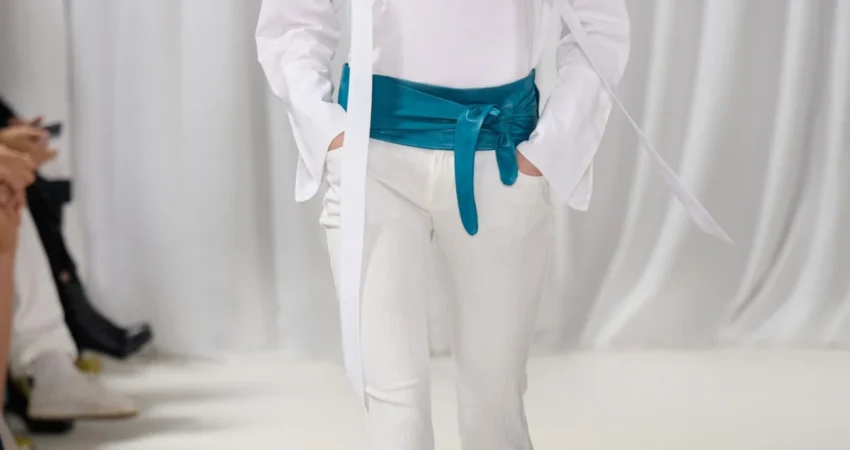
The unveiling of Talia Lipkin-Connor’s latest spring collection marks a significant pivot for the London-based designer, as she navigates the intersection of her expanding bridal business and her established ready-to-wear aesthetic. During a recent preview of the collection, Lipkin-Connor detailed a creative process that began with a singular, radical premise: a desire to render the entire collection in white. While this monochromatic vision was eventually tempered by her design team—affectionately referred to as her "studio coven"—the exercise served as a rigorous foundational tool, stripping away the distractions of color to focus on the raw architecture of the garments. This methodological approach allowed Lipkin-Connor to refine silhouettes and construction techniques, resulting in a collection that balances historical reverence with a contemporary, often experimental, edge.
The Conceptual Genesis and the Influence of Bridal Design
The spring collection’s development was deeply informed by Lipkin-Connor’s growing presence in the bespoke bridal market. By engaging directly with brides-to-be during pre-nuptial appointments, the designer gained unique insights into the psychological and financial motivations behind high-ticket fashion purchases. These interactions highlighted a preference for structural integrity and timelessness, qualities that Lipkin-Connor sought to translate into her mainstream seasonal offerings.
The decision to start with an all-white palette was more than a stylistic whim; it was a structural necessity. By viewing her designs through a "milky" lens, the designer was able to identify the strengths and weaknesses of her tailoring without the camouflage of print or pigment. Although the final runway presentation included a broader spectrum of colors, including magnetic hot pink, teal, and deep navy, a substantial portion of the lineup remained in ivory and "Tipp-Ex" shades. This decision maintained a link to the collection’s origins while allowing for the commercial diversity required of a modern fashion brand.
Technical Execution: Tailoring, Textiles, and Silhouettes
The hallmark of the collection lies in its sophisticated tailoring. Lipkin-Connor demonstrated a mastery of close-cut silhouettes that emphasize the female form without sacrificing movement. Key pieces included fitted jackets characterized by cropped peplum waists and subtly peaked shoulders. These garments featured intricate detailing, such as hook-and-eye closures and buttons reminiscent of traditional corsetry. The influence of lingerie was further evident in the wispy, pointelle-flourished corsets layered beneath the outerwear, creating a multi-dimensional look that Lipkin-Connor described as "historic-leaning but modern."
The collection also showcased a confident approach to legwear. A standout proposition included a pair of airbrush-tight, low-rise trousers with a slight flare. These were rendered in a variety of high-end textiles, including a mottled wood-like jacquard and a shiny-matte stripe that provided a rhythmic gleam under runway lighting. To add a modern edge to these classic forms, the designer incorporated accessories such as teal leather cummerbunds and dark-hued, studded belts, grounding the ethereal white tones with a sense of structural weight.
Diversification of the Product Range
Moving beyond the rigid structures of tailoring, Lipkin-Connor introduced a series of softer, more casual elements designed to appeal to a broader demographic. This expansion included:
- Semi-Sheer Knitwear: Mohair cable-knit jumpers in soft, "baby" tones provided a textural contrast to the sharp lines of the jackets.
- Sportswear Influences: A new "striped regalia" was introduced, featuring polo tops and generous-fit trousers. This move represents a departure from Lipkin-Connor’s signature "skinny" aesthetic, offering a more relaxed, voluminous alternative.
- The V-Neck Jumper: A super-dark navy iteration of the brand’s sell-out V-neck jumper was included, signaling a commitment to maintaining and evolving "hero" products that have previously seen commercial success.
- Utilitarian Elements: Cargo trousers and miniskirts in structured twill added a pragmatic dimension to the collection, reflecting the designer’s environment in East London.
The designer’s exploration of the "apron silhouette"—a carryover from the previous spring—took a more daring turn this season. The new iterations featured shorter hemlines, criss-cross straps, and a more pronounced exposure of skin, balanced by hourglass jacquard minidresses with hardy internal boning.
Chronology and the Once-a-Year Show Model
In an industry often criticized for the breakneck speed of the "fast fashion" cycle, Talia Lipkin-Connor has opted for a more deliberate pace. By showing only once a year, she grants herself the luxury of an extended research and development phase. This timeline allows for deep immersion into creative experimentation, which this season was fueled by "childlike collages" and a desire to embrace "oddity."
This slower approach to the fashion calendar is becoming increasingly common among independent London designers who prioritize craftsmanship and sustainable growth over rapid-fire seasonal releases. It allows for a holistic development of brand codes—what Lipkin-Connor describes as a "step change" rather than a total reinvention. The result is a collection that feels fresh and unexpected while remaining tethered to the brand’s established identity.
Strategic Retail Expansion and Market Positioning
The spring collection arrives at a time of physical expansion for the brand. Lipkin-Connor’s East London workspace has recently transitioned into a hybrid model, doubling as a boutique where customers can interact with the pieces in a retail environment. This "studio-shop" concept is a strategic move to foster community and provide a direct-to-consumer pipeline that bypasses some of the traditional hurdles faced by independent labels in the wholesale market.
Industry analysts note that this model is particularly effective for designers whose work relies on tactile quality and intricate construction, details that can sometimes be lost in digital-only presentations. By allowing customers to see the "ever-evolving world of the woman" that Lipkin-Connor is selling, the brand strengthens its market position as a niche luxury provider.
Broader Implications for the London Fashion Scene
Lipkin-Connor’s latest work reflects a broader trend within the London fashion ecosystem: the resurgence of technical craft combined with a rebellious, "East London" sensibility. Her ability to blend the high-stakes world of bridal wear with the grittiness of urban ready-to-wear positions her as a versatile figure in the industry.
The collection also highlights the economic reality of modern independent design. By focusing on "high-ticket" items and "sell-out" staples, Lipkin-Connor is building a brand that is both creatively fulfilling and commercially viable. The inclusion of more "generous-fit" items alongside her signature tight tailoring suggests an awareness of the diverse needs of her "coterie" of clients, ensuring the brand remains relevant as the silhouettes of the fashion world continue to shift.
Conclusion: A Step Change in Brand Evolution
Talia Lipkin-Connor’s spring collection is a testament to the power of creative constraints. By starting with a "white-out" and slowly reintroducing color, texture, and volume, she has produced a body of work that is both disciplined and expressive. The collection successfully bridges the gap between the traditional and the contemporary, utilizing the rigors of bridal construction to elevate everyday luxury.
As the brand moves forward with its new retail space and its once-a-year presentation format, the industry will be watching to see how these "oddities" and "step changes" resonate with a global audience. For now, the consensus from the preview suggests that Lipkin-Connor has successfully navigated the complexities of growth, maintaining her unique voice while expanding her reach. The combination of magnetic pinks, structural ivories, and utilitarian twills offers a comprehensive wardrobe for the modern woman—one that is as prepared for a high-stakes event as it is for the daily realities of contemporary life.

0 Comments