
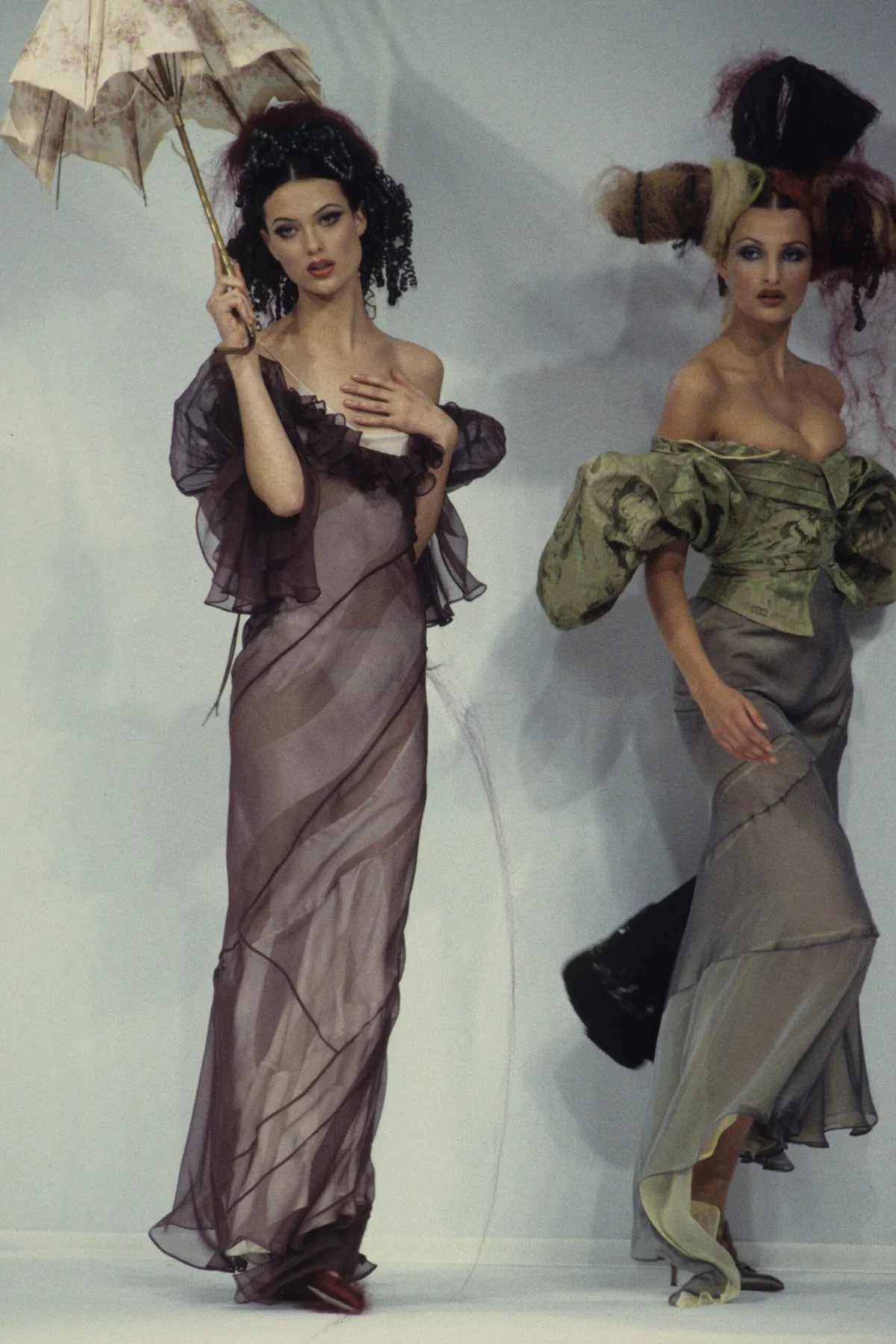
The Metropolitan Museum of Art’s Costume Institute has officially unveiled the details for its 2026 spring exhibition and accompanying gala, titled "Costume Art," which is scheduled to take place in less than three weeks. This year’s event, widely considered the most significant night in the global fashion calendar, will be presided over by a trio of cultural icons: global superstar Beyoncé, Academy Award-winning actress Nicole Kidman, and tennis legend and entrepreneur Venus Williams. Together, these co-chairs will lead an evening dedicated to the exploration of the dressed body as a medium of fine art, adhering to a dress code titled "Fashion is Art."

The 2026 theme represents a pivot toward the formalist and aesthetic qualities of clothing, moving beyond the historical or biographical narratives that have characterized recent exhibitions. By framing the collection through the lens of "Costume Art," the Met’s curators intend to highlight the craftsmanship, silhouette, and conceptual depth of the garments housed within the museum’s vast archives. As the countdown to the "First Monday in May" begins, the industry’s focus has shifted to how attendees will interpret a theme that invites a literal fusion of sartorial design and museum-grade artistry.

The Curatorial Vision: Costume Art and the Dressed Body
The "Costume Art" exhibition is designed to be a comprehensive survey of the Metropolitan Museum of Art’s permanent collection, which spans seven centuries of fashion history. Unlike previous years that focused on a single designer—such as the 2023 tribute to Karl Lagerfeld—or a specific era, the 2026 exhibition is thematic and philosophical. It concerns itself with the "dressed body" as a canvas, examining how fabric, structure, and proportion have been used to manipulate the human form into a work of art.

Curators have indicated that the exhibition will be divided into several "movements" echoing the history of Western art. This includes sections dedicated to the Rococo and Baroque periods, where the opulence of the 18th century will be juxtaposed with modern interpretations of regal grandeur. Designers such as Christian Lacroix, known for his theatrical and historically informed couture, are expected to be featured prominently. Additionally, the exhibition will explore the "camp" and surrealist elements of fashion, likely highlighting the work of Franco Moschino and Elsa Schiaparelli, whose designs frequently blurred the lines between wearable clothing and avant-garde sculpture.

A central pillar of the 2026 theme is the "anatomical body." This segment of the exhibition will focus on how designers have utilized fashion to comment on human biology. Key pieces from the archive include the Comme des Garçons Spring 1997 "Body Meets Dress, Dress Meets Body" collection—famously known as "lumps and bumps"—which challenged traditional notions of the female silhouette. More contemporary additions, such as Daniel Roseberry’s 2025 body moldings for Schiaparelli and the skeletal, below-the-surface designs of Olivier Theyskens, will serve to illustrate the ongoing dialogue between the internal body and the external garment.

Profiles of the 2026 Co-Chairs
The selection of Beyoncé, Nicole Kidman, and Venus Williams as co-chairs reflects the Met’s desire to bridge the worlds of music, cinema, and sport through the unifying medium of high fashion. Each co-chair brings a unique relationship to the "Fashion is Art" dress code.

Beyoncé: A long-time collaborator with the world’s most prestigious fashion houses, Beyoncé’s influence extends far beyond the recording studio. Her visual albums, such as Lemonade and Renaissance, have been lauded for their use of couture as a storytelling device. Her presence as a co-chair signals a celebration of fashion as a tool for cultural and political expression. Industry analysts expect her red-carpet choice to be a landmark moment, potentially referencing iconic Black artists or historical silhouettes reimagined through a modern lens.

Nicole Kidman: As a veteran of the Met Gala and a perennial muse for designers like Chanel and Balenciaga, Kidman represents the classical elegance of the "Fashion is Art" theme. Her career has often intersected with the high-art world, and her red-carpet history is defined by a commitment to the "statuesque" aesthetic. Kidman’s involvement underscores the museum’s focus on the archival and timeless nature of costume.

Venus Williams: The inclusion of Venus Williams highlights the increasing overlap between the world of elite athletics and luxury fashion. As a designer herself and a frequent front-row fixture at global fashion weeks, Williams has spent her career redefining the "dressed body" within the constraints of performance wear. Her role as co-chair emphasizes the athletic body as a site of artistic transformation, a concept that aligns with the "Costume Art" exhibition’s focus on proportion and physicality.

Chronology of the 2026 Met Gala Cycle
The journey toward the 2026 Met Gala began in early 2025 with the internal selection of the theme by Andrew Bolton, the Wendy Yu Curator in Charge of the Costume Institute, in consultation with Anna Wintour, the editor-in-chief of Vogue and a trustee of the Metropolitan Museum.

- October 2025: The theme "Costume Art" was officially announced during a press conference at the Met, attended by representatives from the museum and the gala’s primary sponsors.
- January 2026: The co-chairs were formally unveiled, sparking a wave of speculation regarding the "Fashion is Art" dress code and the potential for attendees to reference specific painters or sculptors.
- March 2026: Final preparations for the exhibition began, with over 200 garments being selected and conserved for display in the Anna Wintour Costume Center.
- April 2026: The "three-week countdown" period commenced, marked by a surge in logistics planning for the red carpet and the beginning of the installation of the gala’s centerpiece floral and architectural designs.
- May 4, 2026: The gala is scheduled to take place, followed by the public opening of the exhibition on May 7.
Data and Economic Impact of the Event
The Met Gala is not merely a social event; it is the primary source of annual funding for the Costume Institute. Since Anna Wintour took over the chairmanship in 1995, the gala has raised more than $223 million for the department, which remains the only one of the Met’s curatorial divisions that must fund its own activities.

In 2025, the gala raised a record-breaking $22 million, a figure that the 2026 event is expected to match or exceed. The economic impact also extends to the city of New York. According to NYC & Company, the city’s official marketing organization, the Met Gala and the subsequent exhibition contribute significantly to the local economy through tourism, hotel bookings, and increased traffic to the Upper East Side’s retail and dining establishments. The 2024 exhibition, for example, drew over 500,000 visitors during its four-month run, making it one of the museum’s most-visited shows of the year.

Furthermore, the "Earned Media Value" (EMV) for brands participating in the gala is immense. In 2025, the social media reach of the event exceeded 3.5 billion impressions across platforms like Instagram, TikTok, and X (formerly Twitter). For luxury fashion houses, a single successful look on the Met steps can translate into millions of dollars in brand equity and a significant spike in global search interest.

Industry Reactions and Artistic Implications
The announcement of the "Costume Art" theme has been met with praise from the design community, who view it as a return to the "pure" appreciation of fashion. In a simulated reaction based on historical patterns, leading designers have expressed that this theme allows for greater creative freedom, as it does not require adherence to a specific person or time period.

"The idea that ‘Fashion is Art’ is a debate that has existed since the inception of couture," noted one industry analyst. "By making it the central theme of the 2026 Met Gala, the museum is effectively settling the debate. They are asserting that a garment by Yves Saint Laurent or Dilara Findikoglu carries the same cultural weight as a painting by Picasso or Botticelli."

The reference to specific painters in the lead-up to the event suggests that attendees may opt for "wearable art" that mimics famous works. This includes potential nods to the Surrealism of Salvador Dalí or the Baroque textures of Caravaggio. The emphasis on "skewed proportions" also suggests that we may see a rise in sculptural dressing, where the comfort of the wearer is secondary to the visual impact of the silhouette.

Broader Impact and Future Outlook
The 2026 Met Gala and the "Costume Art" exhibition arrive at a time when the fashion industry is grappling with its identity in an increasingly digital and fast-paced world. By centering the conversation on the "art" of the garment, the Costume Institute is encouraging a slower, more contemplative appreciation of fashion.

The implications of this theme extend to the future of museum curation. As the line between "commercial product" and "artistic object" continues to blur, institutions like the Met are playing a crucial role in defining what constitutes a cultural artifact. The 2026 event will likely set a precedent for how fashion is taught and displayed in museums worldwide, moving toward a more interdisciplinary approach that integrates art history, biology, and textile technology.

As the world prepares for the "First Monday in May," the 2026 Met Gala stands as a testament to the enduring power of the dressed body. With Beyoncé, Nicole Kidman, and Venus Williams at the helm, the evening promises to be a definitive exploration of why fashion remains one of the most potent and evocative forms of art in the modern era. The upcoming exhibition will not only showcase the beauty of the Met’s collection but will also challenge the public to see the clothing on their own backs as a part of a larger, centuries-old artistic tradition.

0 Comments