
The city of Philadelphia has long stood as a cornerstone of American history, but in recent years, it has evolved into a multi-faceted destination that satisfies a diverse array of modern travelers. From the fervor of its professional sports culture to its status as a global culinary powerhouse and its reputation as the "mural capital of the world," Philadelphia offers a density of experience that rivals much larger metropolises. Central to this tourism boom is a shift in how visitors consume the city; rather than congregating solely in traditional hotels, travelers are increasingly seeking out short-term rentals that offer a more authentic, neighborhood-centric experience. Situating oneself in a curated Airbnb—whether it is a historic row home in South Philly or an industrial loft in the riverwards—has become a primary strategy for those looking to navigate the city’s unique blend of grit and refinement.
The Landscape of Philadelphia’s Short-Term Rental Market
The rise of short-term rentals in Philadelphia mirrors a broader national trend, yet it is uniquely shaped by the city’s distinctive "row home" architecture and its "City of Neighborhoods" layout. Currently, the market is defined by a rigorous vetting process where travelers prioritize listings with "Superhost" and "Guest Favorite" statuses. These designations are not merely badges of convenience but indicators of reliability in a city where hospitality is taken seriously.
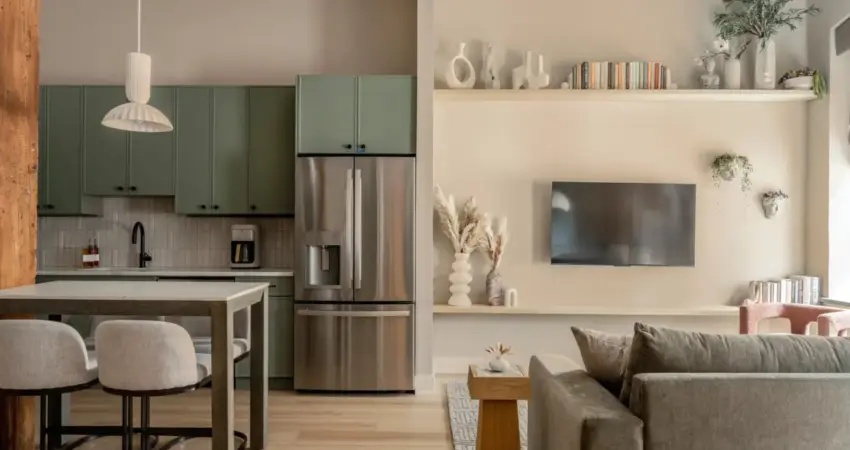
The selection of the "14 best" Airbnbs in the city typically focuses on several key metrics: proximity to cultural hubs like Museum Row, access to the Schuylkill River trail for outdoor enthusiasts, and the aesthetic integration of contemporary design within historic frameworks. For instance, the conversion of 19th-century industrial spaces into high-ceilinged lofts in neighborhoods like Fishtown or Northern Liberties provides a stark contrast to the cozy, brick-fronted domesticity of Queen Village or Graduate Hospital. This variety allows travelers to tailor their environment to their specific itinerary, whether that involves a high-energy sports weekend or a quiet, art-focused retreat.
Neighborhood Analysis: Strategic Lodging and Cultural Access
Philadelphia’s geography is a grid-based system that rewards those who choose their home base strategically. Each neighborhood offers a distinct "micro-culture" that dictates the pace of a visitor’s stay.
South Philadelphia and East Passyunk: The Culinary Core
For gastronomes, South Philadelphia is the primary draw. The area is home to the legendary South Philly Barbacoa, which has gained international acclaim for its traditional Mexican slow-cooked meats, and the East Passyunk corridor, which features a high concentration of James Beard Award-winning restaurants. Staying in this area places visitors within walking distance of the Italian Market, the oldest outdoor market in the United States. Furthermore, South Philly provides the most direct access to the South Philadelphia Sports Complex, housing the stadiums for the Eagles (NFL), Phillies (MLB), 76ers (NBA), and Flyers (NHL).
Fishtown and Northern Liberties: The Creative Frontier
Once an epicenter of the city’s fishing and shipbuilding industries, Fishtown has transformed into a hub for "hipsters," artists, and young professionals. The neighborhood is characterized by its craft breweries, vintage boutiques, and avant-garde dining, such as Pizzeria Beddia—once named the best pizza in America by Bon Appétit. Travelers opting for rentals here typically find industrial-style lofts that reflect the area’s manufacturing heritage.
Center City and Old City: The Historical and Corporate Hub
Center City serves as the commercial heart of Philadelphia, offering proximity to the Pennsylvania Convention Center and major museums. To the east, Old City—often referred to as America’s most historic square mile—contains Independence Hall and the Liberty Bell. This area is particularly popular in the autumn, as the cobblestone streets and colonial-era architecture are complemented by vibrant fall foliage.
University City: Innovation and Education
Located across the Schuylkill River, University City is anchored by the University of Pennsylvania and Drexel University. This neighborhood is ideal for visiting academics or those with business at the city’s major medical centers. It offers a more collegiate atmosphere with a blend of Victorian architecture and modern glass-and-steel research facilities.
A Chronology of Philadelphia’s Tourism Evolution
To understand the current appeal of Philadelphia, one must look at the timeline of its development from a historic relic to a modern cultural destination.
- 1976: The Bicentennial celebration cements Philadelphia’s role as the "birthplace of America," focusing tourism almost exclusively on the Revolutionary War.
- 1984: The Mural Arts Program is established, originally as an anti-graffiti initiative. Over the next four decades, it would facilitate the creation of over 4,000 murals, making Philadelphia a global leader in public art.
- 1990s – 2000s: A period of urban revitalization begins in Center City, leading to the "restaurant renaissance" that would eventually spread to the surrounding neighborhoods.
- 2012: The Barnes Foundation moves from suburban Merion to a state-of-the-art facility on the Benjamin Franklin Parkway, significantly boosting "Museum Row" as a global art destination.
- 2020 – Present: Following the global pandemic, there is a surge in domestic "drive-to" tourism. Philadelphia’s location on the Northeast Corridor (accessible by Amtrak and I-95) makes it a primary beneficiary of travelers seeking urban experiences without the logistical hurdles of international flights.
Supporting Data: The Impact of Hospitality and Art
The economic impact of tourism in Philadelphia is substantial. According to data from the Philadelphia Convention and Visitors Bureau (PHLCVB), the city has seen a consistent recovery in visitor spending in the post-pandemic era. In peak years, the hospitality industry has supported over 70,000 jobs in the region.
The arts sector is a significant driver of these numbers. While the Philadelphia Museum of Art—famous for its "Rocky Steps"—remains a top draw, the Mural Arts Philadelphia program contributes to the city’s identity as an "outdoor museum." Data suggests that public art initiatives not only increase property values in residential neighborhoods but also encourage tourists to explore areas outside of the traditional downtown core, thereby distributing economic benefits to local Airbnb hosts and small businesses in outlying wards.
Official Responses and Regulatory Environment
As the short-term rental market has grown, Philadelphia’s city government has implemented regulations to balance the needs of tourists with those of permanent residents. In 2023, the city tightened its licensing requirements for Airbnbs, requiring hosts to obtain specific "Limited Lodging" or "Rental" licenses.
City officials have noted that while short-term rentals provide essential capacity during major events—such as the 2026 FIFA World Cup or the upcoming MLB All-Star Game—there is a need to ensure that these rentals do not deplete the stock of affordable long-term housing. "We recognize the value that visitors bring to our local economies, particularly in our vibrant neighborhoods," a city planning representative noted in a recent housing report. "Our goal is to ensure that Philadelphia remains a welcoming place for guests while maintaining the integrity of our residential communities."
The Seasonal Rhythm of the City
The timing of a visit to Philadelphia significantly influences the traveler’s experience, a factor that seasoned Airbnb guests often use to determine their booking dates.
- Spring: This season is marked by the peak bloom of cherry blossoms, particularly visible at Longwood Gardens and along the banks of the Schuylkill. The Philadelphia Flower Show, the nation’s largest and longest-running horticultural event, also takes place during this window.
- Summer: Summer is the season of street festivals and outdoor "beer gardens." It is also the peak time for baseball fans to visit Citizens Bank Park.
- Fall: As previously mentioned, fall is the preferred time for history enthusiasts. It is also the season when the Eastern State Penitentiary hosts its "Halloween Nights," drawing thousands to the historic prison site.
- Winter: Despite the cold, the city maintains high visitor engagement through the Christmas Village at Love Park and ice skating at Dilworth Park. The Mummers Parade on New Year’s Day remains a unique, century-old Philadelphia tradition that fills the city’s streets with music and elaborate costumes.
Broader Impact and Future Implications
The shift toward neighborhood-based lodging in Philadelphia represents a broader change in the philosophy of travel. Modern visitors are less interested in being "tourists" and more interested in being "temporary residents." This "live like a local" movement has prompted Philadelphia to invest more heavily in its neighborhood infrastructure, from improved bike lanes along the Schuylkill to the preservation of local commercial corridors.
Looking ahead, Philadelphia is preparing for a massive influx of international attention in 2026, which marks the 250th anniversary of the United States. The city is expected to be a primary focus of the Semiquincentennial celebrations. The robustness of the Airbnb market and the diversity of its neighborhoods will be tested as the city attempts to house hundreds of thousands of additional visitors.
The continued success of Philadelphia as a premier destination relies on its ability to maintain its "gritty" authenticity while providing the high-end amenities that modern travelers demand. By leveraging its rich architectural history to provide unique lodging and continuing to foster its world-class food and art scenes, Philadelphia secures its position as a vital hub in the American cultural landscape. For the traveler, finding the right Airbnb is the first step in unlocking the complex, rewarding, and deeply historic City of Brotherly Love.

0 Comments