
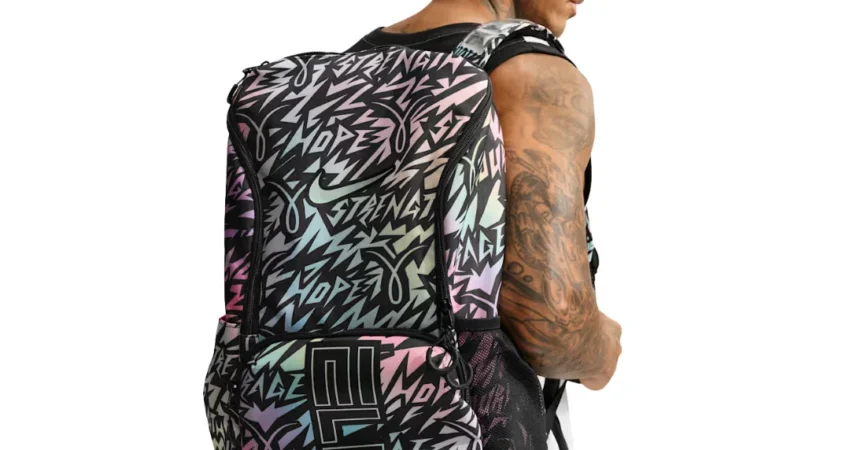
The modern backpack has evolved from a simple utilitarian vessel for schoolbooks into a sophisticated piece of equipment designed to bridge the gap between various facets of a high-performance lifestyle. As the boundaries between professional work environments, academic settings, and athletic training continue to blur, the demand for versatile, multi-functional carryalls has surged. Nike, a global leader in athletic apparel and footwear, has strategically positioned its accessory division to meet these demands by integrating technical innovations from its footwear lines into a diverse range of backpacks. The current market landscape for these products is defined by a shift toward the "one-bag" philosophy, where consumers seek a single solution capable of transitioning from a corporate commute to a high-intensity gym session or a competitive sporting event.
The Strategic Evolution of Nike’s Accessory Division
Nike’s dominance in the backpack market is not merely a result of brand recognition but a consequence of deliberate engineering and market segmentation. Historically, backpacks were categorized strictly by use-case: rugged frames for hiking, simple canvas for school, and duffels for sports. However, Nike’s design team has utilized consumer data to identify a growing demographic of "hybrid users"—individuals who require dedicated space for digital hardware, such as laptops and tablets, alongside specialized compartments for athletic gear, such as cleats or basketballs.

This strategic shift is reflected in Nike’s fiscal reporting. While footwear remains the company’s primary revenue driver, the "Equipment" category, which includes bags and backpacks, has seen consistent growth. By applying proprietary technologies like Air Max cushioning to shoulder straps and utilizing weather-resistant synthetic blends, Nike has successfully converted its footwear enthusiasts into accessory loyalists. Furthermore, the company’s "Move to Zero" initiative has influenced the manufacturing of these bags, with many models now incorporating at least 50% recycled polyester fibers, appealing to the environmentally conscious consumer base.
Detailed Analysis of High-Performance Models
To understand the current state of the market, one must analyze the specific models that have come to define Nike’s 2024-2025 lineup. These products are categorized by their primary utility while maintaining the brand’s signature aesthetic.
The Nike Varsity Elite: A Bridge Between Court and Classroom
The Nike Varsity Elite Backpack represents the pinnacle of the brand’s sports-to-school integration. Boasting a 32-liter capacity, this model is engineered specifically for athletes who juggle academic responsibilities with rigorous training schedules. The primary innovation of the Varsity Elite is its spatial architecture. The main compartment is sized to accommodate a regulation-size basketball, a feature that historically required a separate mesh carrier or a bulky duffel bag.

From a technical standpoint, the inclusion of Air Max shoulder straps is a significant value proposition. By utilizing pressurized gas encapsulated in a flexible urethane bag—the same technology found in Nike’s premium running shoes—the backpack provides impact absorption and load distribution. This is particularly relevant for students carrying heavy textbooks alongside athletic gear, as it reduces the physiological strain on the trapezius and shoulder muscles.
The Nike Elemental Kids’ Backpack: Fostering Creative Engagement
In the youth segment, Nike has moved beyond mere miniaturization of adult products. The Nike Elemental Kids’ Backpack (20L) introduces an element of personalization that serves as a competitive advantage in the back-to-school market. The bag is constructed from a specific weave that allows for customization with markers and crayons, which can then be laundered to provide a "blank canvas" once more.
This model addresses a key parental concern: durability versus expression. While many children’s bags are treated as disposable fashion items, the Elemental’s washable nature and high-density polyester construction suggest a longer product lifecycle. The inclusion of a stretch mesh side pocket for hydration and a secure front zipper pocket ensures that the bag remains functional for the rigors of the elementary school environment.

The Nike Heritage Eugene 2.0: The Urban Commuter’s Choice
For the professional and collegiate demographic, the Nike Heritage Eugene 2.0 Winterized Backpack serves as a response to the "tech-commuter" trend. Urban environments necessitate protection against the elements, and this model utilizes water-repellent materials and reinforced trims to safeguard electronics.
The internal sleeve is designed to fit a 15-inch laptop, reflecting the industry standard for portable workstations. Unlike the more aggressive styling of the sports-focused bags, the Heritage Eugene 2.0 maintains a minimalist silhouette suitable for office environments. The "winterized" aspect refers not just to water resistance but to the thermal durability of the fabric, ensuring it does not become brittle or lose structural integrity in sub-zero temperatures.
The Nike Brasilia: The Industrial Workhorse
The Brasilia series has long been the backbone of Nike’s equipment line. The current iteration, the Nike Brasilia Extra Large (30L), is designed for high-volume use. Industry analysts often point to the Brasilia as the gold standard for "value-per-liter" in the backpack industry. It is crafted from a densely woven polyester that resists abrasions, making it a preferred choice for students who utilize lockers or athletes who frequent outdoor training grounds. The organizational panel within the front compartment reflects a move toward "micro-organization," providing dedicated slots for pens, phones, and keys, thereby reducing the time spent searching through a large-capacity bag.

The Nike Academy Soccer Backpack: Specialized Athletic Utility
Specialization remains a key driver in Nike’s product development. The Academy Soccer Backpack (30L) is a specialized tool for the global soccer market. Its most notable feature is the wet-and-dry compartment. Microbiological concerns regarding damp athletic gear have led to a demand for ventilated storage that prevents the growth of odor-causing bacteria and protects clean items from moisture. This model also features a "rain fly"—a water-resistant cover—and a coated bottom to prevent moisture seepage when the bag is placed on wet grass or sidelines.
Market Context and Consumer Trends
The rise of these multi-functional backpacks occurs within a broader economic context. The global backpack market was valued at approximately $20 billion in 2023 and is projected to grow at a compound annual growth rate (CAGR) of 5% through 2030. This growth is driven by the increasing participation in sports and the rising number of digital nomads and remote workers who require mobile storage solutions.
Data suggests that consumers are increasingly willing to pay a premium for "ergonomic health" features. A study on adolescent spinal health indicated that the weight of schoolbags often exceeds the recommended 10-15% of body weight. By integrating Air Max technology and padded back panels, Nike is positioning its products as a solution to a public health concern, rather than just a fashion statement.

Sustainability and Material Innovation
Nike’s commitment to sustainability is a critical component of its brand narrative. The use of recycled polyester in the backpack lineup is a response to both regulatory pressures and consumer demand for corporate responsibility. Recycled polyester, often derived from plastic bottles, reduces carbon emissions by approximately 30% compared to virgin polyester. This material transition is a logistical challenge that Nike has navigated by ensuring that the recycled fibers maintain the same tensile strength and colorfastness as their predecessors.
Broader Impact and Implications
The evolution of the Nike backpack lineup reflects a larger cultural shift toward the "athleisure" lifestyle, where the boundaries between one’s professional, personal, and athletic identities are fluid. The backpack is no longer a peripheral accessory; it is a central component of the modern "uniform."
For retailers, the diversification of Nike’s bag offerings provides a year-round revenue stream that is less seasonal than traditional back-to-school surges. For the consumer, the integration of specialized compartments (laptop sleeves, shoe garages, and ball pockets) represents a move toward efficiency. The psychological impact of "order" and "readiness" provided by a well-organized bag is a subtle but potent marketing angle that Nike has successfully exploited.

In conclusion, the current selection of Nike backpacks—ranging from the customizable Elemental for children to the technical Academy Soccer bag for athletes—demonstrates a sophisticated understanding of human movement and daily routine. By combining material science with ergonomic design and a commitment to sustainability, Nike continues to define the standards of the accessory market, ensuring that its products are as essential to the modern lifestyle as the footwear that built the brand’s legacy. As technology and fitness continue to converge, the role of the backpack will only become more central to the daily logistics of the global population.

0 Comments