
The cultural perception of cinema has long occupied a secondary position to literature in terms of intellectual prestige, yet film remains one of the most potent drivers of social identity and behavioral archetypes. This reality is particularly evident in the construction of 20th and 21st-century masculinity, where the "silver screen" has served as a primary medium for defining what it means to be a man. According to cultural observers and the editorial leadership at the Art of Manliness, a prominent publication dedicated to male development, the history of cinema is effectively a history of the evolving male psyche. By curating a list of essential films, historians and critics aim to highlight how these narratives provide more than mere entertainment; they offer a roadmap for character development, moral resilience, and the navigation of societal expectations.
The selection process for such a definitive archive avoids the superficial trappings often associated with "men’s movies," such as excessive violence or titillation. Instead, the focus remains on films that offer poignant commentary on the male condition, provide examples of "manliness in action," or serve as cautionary tales regarding the pitfalls of ego and ambition. These films have stood the test of time, influencing generations through their portrayal of archetypes that range from the stoic soldier to the vulnerable father.
The Evolution of the Cinematic Male Archetype
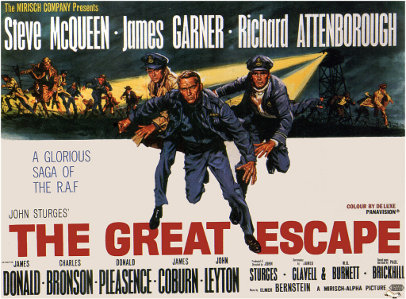
The history of filmic masculinity can be traced through several distinct eras, each reflecting the anxieties and aspirations of its time. In the mid-20th century, the "Stoic Hero" dominated the landscape. Films such as The Great Escape (1963) and High Noon (1952) showcased men defined by their duty and their refusal to back down in the face of insurmountable odds. The Great Escape, based on the true story of Allied POWs in World War II, emphasizes the importance of collective skill and individual resilience. This era was characterized by characters like Steve McQueen’s "Cooler King," who maintained his dignity through defiance, and Gary Cooper’s Will Kane in High Noon, who stood alone for his principles when his community abandoned him.
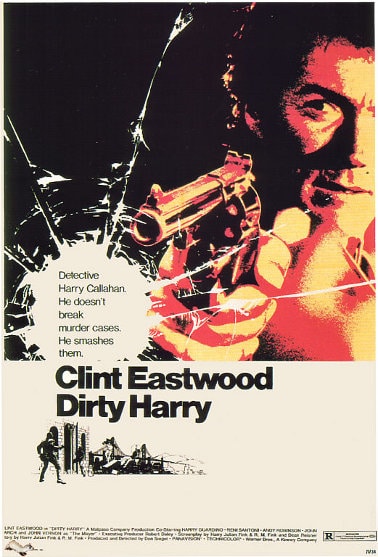
As the century progressed, the 1970s introduced a shift toward the "Rebel" and the "Anti-Hero." This period saw the rise of Clint Eastwood’s Dirty Harry (1971), a film that challenged the boundaries of the law in the pursuit of justice, reflecting a societal frustration with rising crime rates and bureaucratic inefficiency. Simultaneously, The Godfather (1972) and its sequel explored the corrosive nature of power and the tragic burden of family legacy, with Al Pacino’s Michael Corleone representing the transition from an idealistic veteran to a ruthless patriarch.
The late 20th century and early 21st century brought about a "Crisis of Identity." Films like Fight Club (1999) and American Beauty (1995) critiqued the emasculating effects of consumer culture and corporate monotony. These narratives explored the desperation of men who felt "hollowed out" by modern life, seeking meaning through primal rebellion or tragic, albeit misguided, awakenings.
Narrative Themes: Redemption, Mentorship, and Sacrifice
A recurring theme in the essential cinema for men is the concept of redemption. In The Shawshank Redemption (1994), the protagonist Andy Dufresne maintains his integrity and hope despite a wrongful life sentence, eventually achieving a literal and spiritual rebirth. Similarly, Rocky (1976) serves as the quintessential underdog story, where the victory is not necessarily in winning the fight, but in "going the distance" and proving one’s self-worth.
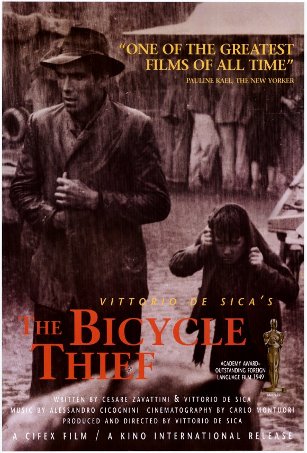
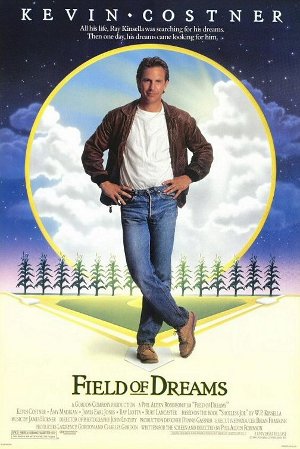
Mentorship and the father-son dynamic also form a critical pillar of this cinematic archive. The Bicycle Thief (1948), an Italian Neo-Realist classic, provides a raw look at the relationship between a father and son struggling for survival in post-war Rome, posing difficult questions about the morality of theft in the face of starvation. In contrast, Field of Dreams (1989) uses the backdrop of baseball to explore the deep-seated human desire for reconciliation with the past and the healing of ancestral wounds.
War movies, such as Saving Private Ryan (1998) and Patton (1970), provide a different lens, focusing on the ethics of leadership and the weight of sacrifice. Saving Private Ryan is frequently cited by veterans and historians for its realistic portrayal of the D-Day invasion, forcing the audience to grapple with the value of a single life in the context of global conflict. Patton, meanwhile, offers a complex character study of a military genius whose larger-than-life persona was both his greatest asset and his ultimate downfall.
Supporting Data and Industry Impact
The influence of these films is not merely anecdotal; it is reflected in their historical performance and critical legacy.
- Ben-Hur (1959) held the record for the most Academy Awards (11) for nearly four decades, a testament to the enduring power of its themes of revenge and forgiveness.
- The Godfather remains consistently ranked at the top of the American Film Institute’s (AFI) "100 Years… 100 Movies" list, signaling its status as a foundational text of American culture.
- Schindler’s List (1993) grossed over $320 million worldwide and sparked a global conversation on the Holocaust, demonstrating how film can serve as a medium for historical memory and moral awakening.
The financial and critical success of these films indicates a broad public appetite for stories that challenge men to reflect on their roles within society. These productions often revitalized genres; for instance, Unforgiven (1992) is credited with deconstructing the myth of the Old West, stripping away the glamour of the "gunslinger" to reveal the grim reality of violence.
Chronological Overview of Key Cinematic Milestones
| Year | Film | Primary Theme |
|---|---|---|
| 1939 | Mr. Smith Goes to Washington | Political Integrity and Individual Courage |
| 1941 | Citizen Kane | The Corruption of Power and Ambition |
| 1942 | Casablanca | Sacrifice for the Greater Good |
| 1957 | 12 Angry Men | Justice, Logic, and Social Pressure |
| 1962 | Lawrence of Arabia | Identity and Guerilla Warfare |
| 1963 | The Great Escape | Resilience and Collective Effort |
| 1972 | The Godfather | Family, Honor, and Moral Decay |
| 1976 | Rocky | Perseverance and Self-Worth |
| 1989 | Dead Poets Society | Individualism and Living Deliberately |
| 1994 | The Shawshank Redemption | Hope and Spiritual Resilience |
| 1998 | Saving Private Ryan | Sacrifice and Decency in War |
| 1999 | Fight Club | Masculinity vs. Consumerism |
| 2000 | Gladiator | Leadership, Loyalty, and Legacy |
Analysis of Social and Cultural Implications
The curation of these films suggests that cinematic narratives do more than reflect society—they help shape it. The portrayal of men like Atticus Finch in To Kill a Mockingbird (1962) provided a model for moral fatherhood and legal integrity during the height of the Civil Rights Movement. Similarly, Malcolm X (1992) challenged simplistic historical narratives, offering a nuanced look at the evolution of a man from a criminal to a revolutionary leader.
However, these films also serve as a critique of "toxic" traits. A Streetcar Named Desire (1951) and American Beauty (1999) highlight the destructive nature of unchecked aggression and the "emotional sedation" that can occur when men lose their sense of purpose. By including these cautionary tales, critics emphasize that masculinity is a spectrum that requires constant self-examination.
The enduring popularity of the "underdog" narrative, as seen in The Karate Kid (1984) and Rudy (1993), underscores a universal male desire for agency. These films suggest that through discipline (the "wax on, wax off" philosophy) and heart, an individual can overcome physical or social limitations.
Broader Impact on Contemporary Media
The legacy of these 100 essential movies is evident in the current "Golden Age" of television and modern cinema. Characters in contemporary dramas often draw directly from the archetypes established in The Hustler (1961) or The French Connection (1971). The "Machiavellian" hero, who believes the ends justify the means, continues to be a staple of modern storytelling, forcing audiences to question the morality of their protagonists.
Furthermore, the emphasis on "virile" storytelling—narratives that are plain, direct, and emotionally honest—continues to influence directors like Christopher Nolan and Denis Villeneuve. These filmmakers often explore the same themes of duty, time, and sacrifice that characterized the classics of the 1940s and 50s.
In conclusion, the study of these 100 movies offers a comprehensive look at the shifting tides of masculinity over the last century. From the stoicism of the post-war era to the introspective struggles of the modern day, these films provide a mirror for men to examine their own lives. As the Art of Manliness and other cultural historians suggest, to understand these characters is to understand the changing perception of what it means to be a man in the modern world. These films are not just "must-see" for their entertainment value; they are essential for their ability to expand the mind, challenge the spirit, and stay with the viewer long after the credits have rolled.

0 Comments