
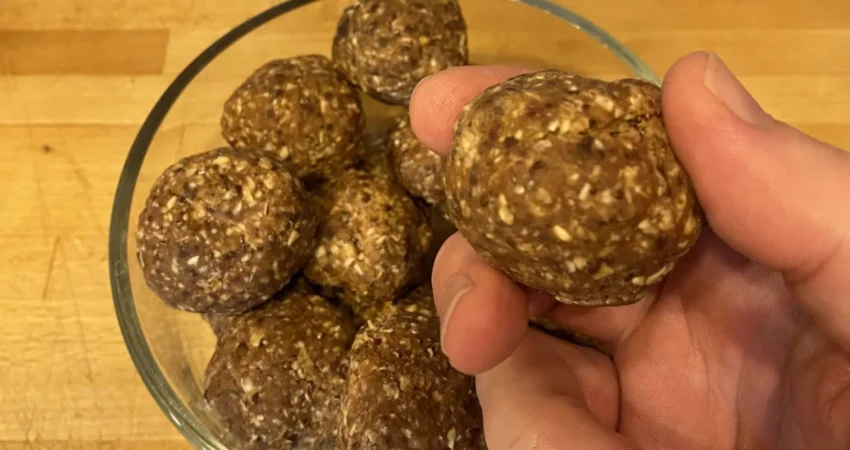
The global snack food market, valued at over $500 billion, is increasingly dominated by ultra-processed options that often force consumers to choose between convenience and nutritional integrity. For many households, the period between scheduled meals represents a significant challenge in maintaining a balanced diet, as the availability of quick, healthy options remains limited. While meal planning has become a staple of modern domestic organization, the "snack gap"—the time between lunch and dinner or after-school hours—frequently leads to the consumption of high-sugar, low-nutrient packaged goods. However, a growing movement toward "functional DIY snacking" is offering a solution through the preparation of no-bake protein energy balls. These snacks, comprised of oats, peanut butter, honey, and protein supplements, are emerging as a scientifically sound and economically superior alternative to retail energy bars and café-bought treats.
The Nutritional Profile and Satiety Mechanics
At the core of the no-bake protein energy ball is a strategic balance of macronutrients designed to provide sustained energy release rather than the "spike and crash" cycle associated with refined carbohydrates. A standard serving, approximately one medium-sized ball, contains an estimated 140 calories, 14 grams of carbohydrates, 5 grams of protein, and 6 grams of fat. These figures, while subject to minor fluctuations based on brand-specific ingredient variations, represent a dense nutritional profile that serves multiple physiological functions.
The inclusion of rolled oats provides a foundation of complex carbohydrates and beta-glucan, a type of soluble fiber known to improve cholesterol levels and heart health. When combined with honey—a natural sweetener that provides immediate glycogen replenishment—the oats ensure a staggered energy delivery. The lipid component, primarily derived from peanut butter and chia seeds, introduces essential fatty acids. Chia seeds, in particular, contribute Omega-3 fatty acids and hydrophilic properties, which can aid in hydration and prolonged satiety.
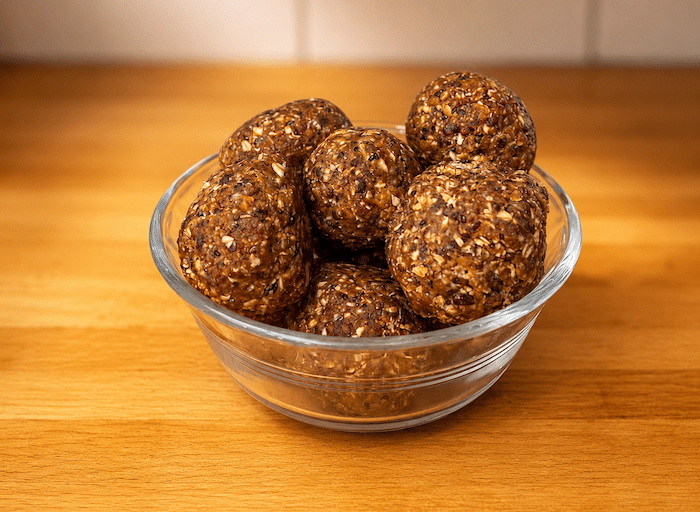
Furthermore, the addition of protein powder transforms the mixture from a simple granola-based snack into a functional recovery food. Protein is the most satiating macronutrient; by including it in a portable format, these energy balls help regulate the hormone ghrelin, which signals hunger to the brain. This makes them an ideal "mid-morning strengthener" for working professionals or an "after-school bridge" for children whose caloric demands often peak in the late afternoon.
Comparative Economic Analysis: Homemade vs. Retail
The financial implications of transitioning from store-bought snacks to homemade energy balls are substantial, particularly in an era of rising food inflation. Current market data indicates that a single "energy bite" or protein ball sold at premium coffee chains or health food boutiques typically retails for between $1.00 and $3.00. In contrast, the raw material cost for a homemade batch of 15 balls is estimated at approximately $5.00, resulting in a per-unit cost of 30 to 35 cents.
This represents a cost reduction of roughly 70% to 88% per serving. For a family of four consuming these snacks three times a week, the annual savings can exceed $500. The economy of scale is achieved by purchasing staples like oats, honey, and peanut butter in bulk, which have a significantly longer shelf life and lower price-per-ounce than the individual packaging and marketing overhead associated with retail protein bars. This "bargain" status does not come at the expense of quality; rather, it removes the "convenience tax" that manufacturers levy on pre-packaged health foods.
Chronology of Preparation and Efficiency
One of the primary barriers to healthy eating is the perceived time investment required for food preparation. However, the development of no-bake recipes has streamlined the process into a 15-minute active window, followed by a passive setting period. The timeline for producing a standard batch of 15 medium-sized energy balls is as follows:
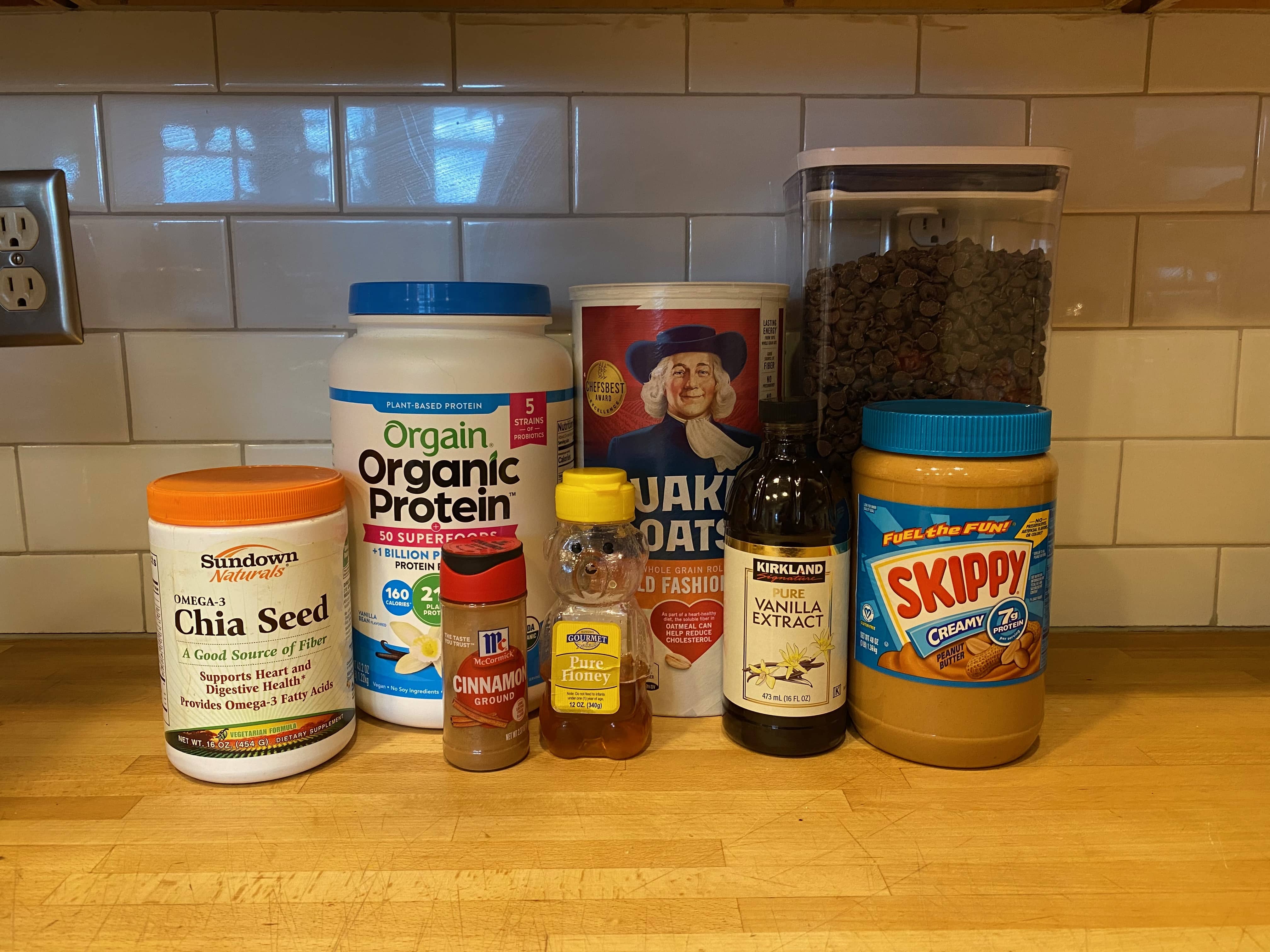
- Minute 0–5: Dry Ingredient Integration. The process begins with the combination of dry components, including oats, protein powder, chia seeds, and chocolate chips. Utilizing a food processor for 5 to 10 seconds ensures an even distribution of particulates, which is essential for consistent texture and flavor in every bite.
- Minute 5–8: Binding Agent Incorporation. Wet ingredients—peanut butter, honey, and vanilla extract—are added to the mixture. A secondary blending phase of 10 to 15 seconds creates a crumbly, semi-cohesive dough.
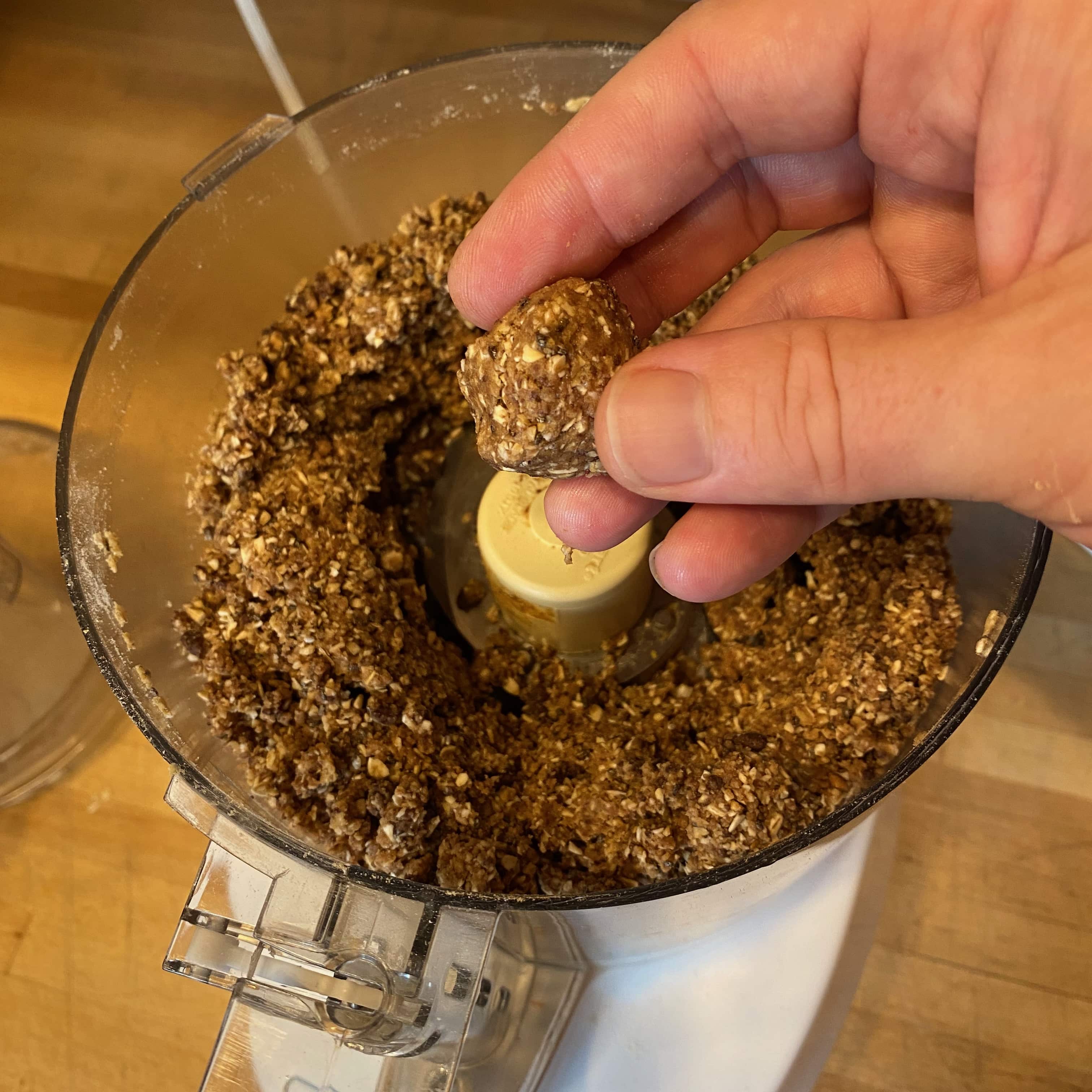
- Minute 8–12: Moisture Calibration. Milk is added incrementally (starting with 3 tablespoons) to achieve the desired consistency. The objective is a "crumbly cookie dough" texture that holds its shape when compressed but remains pliable.
- Minute 15–60: Chilling and Setting. The mixture requires a refrigeration period of at least 45 minutes. This allows the oats to hydrate and the fats to solidify, ensuring the balls do not lose their structural integrity at room temperature.
- Final Phase: Shaping and Storage. Once chilled, the dough is hand-rolled into spheres. These are stored in airtight containers, where they remain fresh for several days in a refrigerator or for weeks if frozen.
Portability and Perishability Standards
In the context of modern lifestyles, portability is as critical as nutrition. The no-bake protein ball is engineered to be non-sticky and resilient. While they are classified as perishable due to the inclusion of dairy (milk) and should ideally be stored in a cold environment, they are stable enough to withstand several hours at room temperature. This makes them suitable for inclusion in school lunchboxes, gym bags, or hiking packs.
Food safety experts recommend that these items not be left out for a full 24-hour cycle, but they are perfectly safe for the duration of a standard school or work day. For long-term logistics, many users opt to store the balls in a freezer and extract them in the morning; the balls typically thaw to a perfect eating consistency by the time the mid-morning snack break arrives.
Customization and Dietary Flexibility
A significant advantage of the homemade approach is the ability to adjust the recipe to meet specific dietary requirements or caloric goals. The base recipe acts as a modular framework:
- Allergen Management: In environments such as "nut-free" classrooms, peanut butter can be seamlessly replaced with sunflower seed butter (SunButter) or soy-based alternatives. For those seeking different flavor profiles, almond or cashew butters offer varying micronutrient spreads.
- Sugar Reduction: While honey serves as a primary binder, it can be replaced with maple syrup or reduced in favor of additional liquid (milk or water) if a lower glycemic index is required. Replacing chocolate chips with dried fruits like cranberries or apricots can alter the antioxidant profile, though consumers are cautioned that dried fruits often contain high levels of concentrated natural sugars.
- Protein Density Optimization: For athletes or individuals on high-protein diets, the ratio of protein powder to oats can be increased. By adding an extra 1/4 cup of protein powder and reducing the oat count, the "protein-per-calorie" density increases, though this typically results in a drier texture that may require additional moisture.
Broader Implications for Public Health and Consumer Behavior
The shift toward homemade energy snacks reflects a broader trend in public health: the rejection of "The Snackification of America," a term used by sociologists to describe the replacement of structured meals with constant grazing on processed goods. By preparing snacks at home, consumers regain control over ingredient transparency, avoiding the emulsifiers, preservatives, and artificial sweeteners common in commercial "health" bars.
Inferred reactions from nutritional advocates suggest that such recipes empower individuals to manage their metabolic health without the "dietary fatigue" often associated with restrictive eating. The energy ball sits in the "sweet spot" between a nutritional supplement and a treat, providing a psychological reward (the taste of a dense cookie) alongside physiological benefits.
Conclusion
The homemade no-bake protein energy ball represents more than just a recipe; it is a practical tool for navigating the complexities of modern nutrition and household economics. By leveraging 15 minutes of preparation time, families can secure a week’s worth of portable, high-protein snacks that outperform retail competitors in both cost and chemical cleanliness. As consumers continue to scrutinize the value and content of their food, the DIY energy ball stands as a testament to the fact that optimal nutrition does not have to be expensive, time-consuming, or unpalatable. In the evolving landscape of health and wellness, the return to simple, whole-ingredient preparation remains the most effective strategy for long-term vitality.

0 Comments