
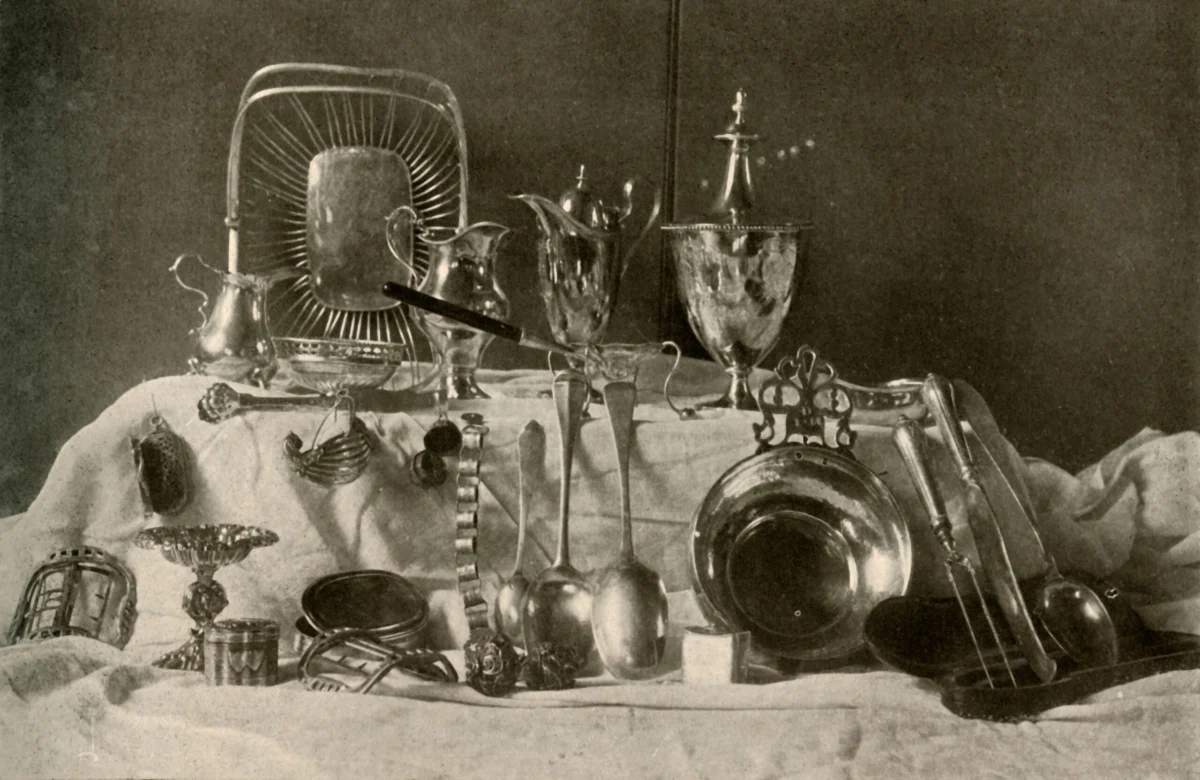
"The first sterling silver objects I fell in love with were modernist cocktail shakers," muses John Stuart Gordon, the Benjamin Attmore Hewitt Curator of American Decorative Arts at Yale University Art Gallery. "They were a whole microcosm in one object type, referencing Jazz Age aesthetics, skyscraper architecture, new materials, the politics of Prohibition, and early-20th-century gender roles." For many, including emerging collectors, it is the rich tapestry of stories and history embedded within silver objects that fuels their fascination and encourages their acquisition. As Vogue highlighted at the close of 2025, sterling silver is experiencing a renaissance, capturing the attention of a new generation eager to embrace its timeless elegance and intrinsic value. This guide aims to equip aspiring collectors with the essential knowledge for sourcing, purchasing, and appreciating these enduring artifacts.
Understanding the Fundamentals: What Constitutes Sterling Silver Collecting?
When discussing the realm of silver collecting, the primary focus typically falls upon objects intended for the table and home. This encompasses a wide array of items such as candlesticks, decorative trays, serving bowls, intricate flatware sets, and other utilitarian yet beautiful pieces, all crafted from sterling silver. Ben Miller, founder of Curious Objects, an esteemed antique gallery, explains, "For most of history, silver was literally money, which meant that it was carefully regulated and recorded." This historical context is crucial for collectors, as it implies that most vintage silver pieces will bear marks and inscriptions that offer clues about their authenticity, origin, and historical significance, even before a purchase is made. Understanding these markings is the first step in navigating the world of antique silver.
Deciphering the Markings: Hallmarks and Maker’s Marks
The presence of distinct stamps on silver objects is a critical indicator of their authenticity and composition. These markings, known as hallmarks, are essentially a system of quality control and identification that has evolved over centuries.

Hallmarks: A Legacy of Consumer Protection
The practice of stamping silver with hallmarks originated in 12th-century England as one of the earliest forms of consumer protection. These marks provide irrefutable evidence of the metal’s purity. While their form and specific meanings vary by country, they are consistently governed by national assay offices.
- United Kingdom: British sterling silver is typically marked with a "lion passant," a depiction of a walking lion with its right forepaw raised. This mark signifies that the object is composed of 92.5% silver and 7.5% other metals, most commonly copper.
- France: French silver objects often feature numerical stamps: "1" denotes 95% silver purity, "2" indicates 80% silver, and "3" signifies 75% silver.
- United States: In the United States, collectors will frequently encounter the stamp "925" or the word "sterling," both designating the standard 92.5% silver purity.
When encountering an unfamiliar stamp, diligent research into its meaning and origin is highly recommended. Online databases and specialized books dedicated to silver hallmarks can provide invaluable assistance in identifying these crucial markers.
Maker’s Marks: The Artisan’s Signature
Distinct from hallmarks, maker’s marks serve to identify the specific artisan or firm responsible for the creation of a silver piece. These marks often consist of the maker’s initials, the company’s name, or a unique symbol, sometimes accompanied by numerical identifiers that can provide further chronological context. For instance, between 1848 and 1965, Tiffany & Co. employed ten different variations of its maker’s mark, each indicating the reigning management or specific workshop at the time of production. While not always present, maker’s marks are typically found in close proximity to the hallmarks. A wealth of online encyclopedias and reference materials are available to help collectors decipher these individual artisan signatures.
Distinguishing Sterling Silver from Silver Plate
A fundamental distinction for any collector lies in understanding the difference between sterling silver and silver plate.

- Sterling Silver: Objects made of sterling silver are constructed entirely from a solid alloy of 92.5% pure silver and 7.5% other metals. This composition provides durability and a rich luster.
- Silver Plate: In contrast, silver-plated items are manufactured from a base metal (such as brass or copper) and then coated with a thin layer of pure silver. While offering the aesthetic appeal of silver at a more accessible price point, the silver layer is susceptible to wear over time, revealing the base metal beneath. Differentiating between the two often involves examining the weight, the presence of wear marks that expose a different metal, and, crucially, the hallmarks. Sterling silver will bear the appropriate purity marks, whereas silver-plated items may have marks indicating their plated status or no silver-specific marks at all.
Exploring the Diverse World of Silver Collectibles
With a foundational understanding of silver identification, collectors can begin to explore the vast array of objects available. Focusing on a specific category that resonates with personal taste and historical interest can provide a structured and enjoyable entry into the collecting world.
The Timeless Elegance of Candlesticks
Candlesticks and candelabra, once indispensable fixtures of formal dining and illumination, have transitioned into cherished decorative and collectible items. Historically, their designs mirrored the prevailing aesthetic movements:
- Baroque and Rococo: Characterized by ornate, elaborate ornamentation and flowing lines.
- Neoclassical: Evoking the symmetry and grandeur of ancient Greek and Roman architecture, often featuring column-like forms.
- Victorian Era: Witnessed a broad spectrum of styles, from the highly decorative and Gothic Revival to more avant-garde designs by figures like Christopher Dresser, who embraced innovative forms and materials.
When evaluating antique candlesticks, a sense of heft is often a good indicator of quality. True solid silver candlesticks are exceptionally rare and command exorbitant prices, often found only in museum collections. More commonly, the base of sterling silver candlesticks is weighted, meaning it is reinforced with a non-precious material such as resin or cement, and then overlaid with sterling silver. These are often referred to as "weighted sterling silver" candlesticks. Collectors are advised to familiarize themselves with the stylistic hallmarks of different periods and movements to identify pieces of exceptional craftsmanship and historical significance.
The Ritual and Refinement of Tea and Coffee Pots
The increasing popularity of tea, coffee, and chocolate in the American colonies and Great Britain during the 18th century spurred the demand for elegant silver serving vessels. A silver teapot or coffee pot was not merely a functional item but a prominent display of wealth and social standing.
.jpg)
- Colonial Era Masterpieces: The finest examples from this period, crafted by renowned silversmiths like Myer Myers in New York or Paul de Lamerie in London, are now museum treasures and command astronomical prices. Their historical significance and the intricate craftsmanship involved make them highly sought after by serious collectors. However, their tendency to conduct heat rather than insulate makes them more of a display piece than an everyday utility item for modern use.
- Art Deco Innovations: The Art Deco period, particularly with silver plate, offers a more accessible entry point for collectors. French makers such as Argental, Ravinet d’Enfert, and Roux-Marquiand produced exquisite Machine Age vessels that embody the era’s streamlined aesthetics. These pieces, often featuring Cubist-inspired forms, can add a touch of vintage glamour to contemporary settings.
While the functional aspects of antique silver teapots might be limited due to heat conduction, their aesthetic value as decorative objects remains undeniable, bringing a sense of historical gravitas to any collection.
Trays and Decorative Objects: Canvases of Craftsmanship
Silver trays, historically known as salvers, have served as practical yet elegant accompaniments to the dining table since Early Modern Europe. By the late 19th century, they evolved into elaborate canvases for silversmiths to showcase their artistry.
- Japonesque Designs: Tiffany & Co., under the direction of Edward C. Moore, became renowned for its "Japonesque" sterling silver trays in the 1880s, reflecting a broader cultural fascination with Japanese decorative arts. These pieces often incorporated diverse colored metal alloys, akin to painting, to depict intricate scenes. A notable example resides in the collection of the Metropolitan Museum of Art, featuring a golden frog on silver water under a copper sun.
- Arts and Crafts Movement: Bowls and other vessels from the Arts and Crafts movement, frequently identifiable by their distinctive hammered surfaces, represent another excellent starting point for nascent collectors. Kevin W. Tucker, chief curator at the High Museum of Art, advocates for exploring the works of smaller studios that produced silver pieces in this enduring style, emphasizing their unique handmade quality and artistic integrity.
Flatware: A Chronicle of Culinary Evolution
The collection of silver flatware offers a unique window into the history of dining and culinary evolution. The proliferation of specialized utensils directly correlates with changes in food availability, preparation, and social customs.
- The Impact of Infrastructure: Christopher Molinar, a collector who began his silver journey at age 13, notes the rarity of salad forks before 1880, attributing their scarcity to the limited availability of fresh produce and refrigeration. The advent of railroads and advancements in food preservation in the late 19th century significantly expanded the range of edible items and, consequently, the demand for specialized flatware.
- Westward Expansion and Design Innovation: Hampton Deville, a Dallas-based dealer, highlights how westward expansion and the discovery of precious metal ores in the American West fueled a period of significant artistic experimentation. American firms like Tiffany, Gorham, and Whiting capitalized on these resources, developing bold designs and innovative techniques that characterized the era. This era saw the creation of more elaborate and exotic silver objects as new foods and increased silver availability entered the market.
- Niche Utensils: Sarah Stafford Turner, a senior editor at Antiques magazine, expresses a particular interest in more obscure silverware items, such as olive prongs and berry forks. She recounts gifting her husband an exquisite openwork berry fork, which they now use for serving charcuterie, demonstrating the adaptive and creative ways vintage silver can be incorporated into modern entertaining. Similarly, sterling silver butter knives can be effectively repurposed as cheese knives.
The Economic Landscape: Valuing Your Silver Acquisitions
Silver occupies a unique position in the antiques market, possessing both an intrinsic material value and a significant artistic and historical worth.

The Intrinsic Value of Silver
As a precious metal, silver has a fluctuating spot price determined by global supply and demand dynamics. This price can serve as a baseline indicator of an object’s worth. Historically, silver was a primary monetary standard, meaning coins could be melted down and reformed into other objects, such as teapots, which could then be re-melted into coins. While modern financial systems have evolved, silver retains its intrinsic monetary value, currently priced at approximately $2.80 per gram. Potential buyers can use a scale to ascertain the weight of an item and estimate the value of the pure metal content, though care must be taken to distinguish between solid silver and plated items.
Beyond the Metal: Factors Influencing Antique Silver Value
While the material value of silver is a factor, the price of an antique silver piece is influenced by a multitude of other elements:
- Craftsmanship: The skill and artistry employed in the creation of the piece.
- Rarity: The scarcity of the object, its design, or its maker.
- Maker: Pieces by renowned luxury brands like Tiffany & Co. or Georg Jensen generally command higher prices than those from lesser-known artisans.
- Style and Period: The historical and aesthetic significance of the design.
- Condition: The state of preservation, including the absence of significant damage or wear.
- Provenance: The documented history of ownership can significantly increase value. If an item belonged to a notable collector or public figure, its desirability and price may rise accordingly, as past ownership by discerning individuals is often seen as an endorsement of quality.
Visiting specialist shops and building a relationship with reputable dealers is highly recommended for new collectors. Experienced sellers can offer invaluable guidance, introduce collectors to pieces that align with their aesthetic preferences and lifestyle, and educate them about the nuances of the market.
Preserving the Shine: Caring for Your Silver Collection
The natural tarnishing of silver is an inevitable chemical reaction between the metal and sulfur compounds present in the atmosphere. This sooty discoloration can be mitigated through proper storage and care.

Storage and Maintenance
Storing silver in a cool, dry, and dark environment, or utilizing specialized anti-tarnish bags, can significantly slow the tarnishing process. When tarnish does appear, it can be reversed through polishing. However, it is important to note that polishing removes a microscopic layer of metal. Therefore, excessive polishing, especially on intricate surface details, should be avoided to preserve the object’s integrity and patina.
Embracing the Patina of Time
A degree of tarnish can also be viewed as a testament to an object’s history and use. Sarah Stafford Turner advocates for embracing the natural patina of silver, suggesting that it adds character and tells a story. The key message for collectors is to engage with and use their silver pieces. Rather than sequestering them away, incorporating them into daily life allows them to be appreciated for their beauty and their enduring connection to the past. The ultimate joy of collecting silver lies not just in acquisition, but in the continued enjoyment and use of these beautiful, story-rich artifacts.

0 Comments