
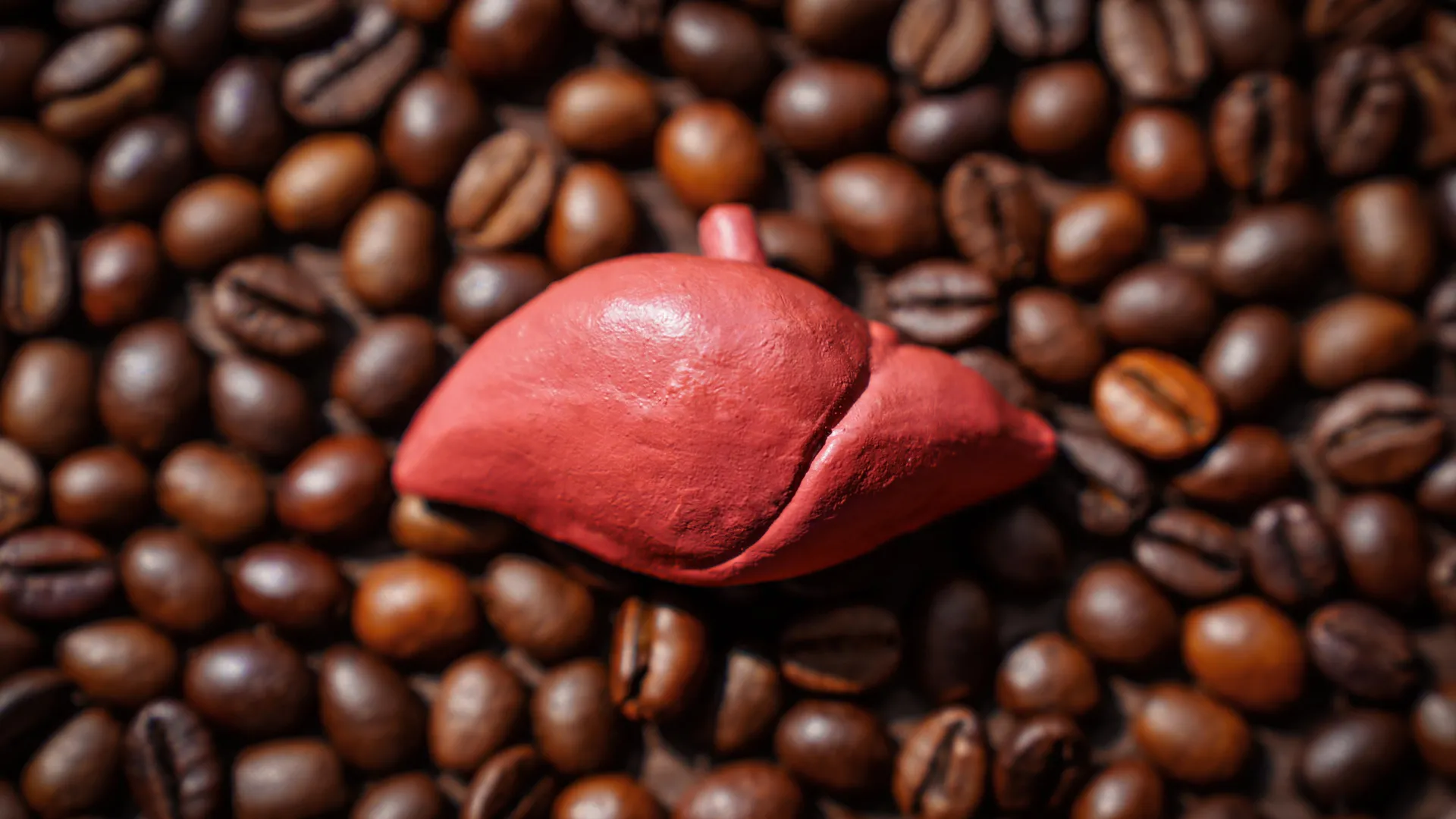
One of the largest investigations yet into coffee and liver health has found that people who drink more coffee tend to have lower risks of cirrhosis, liver cancer, and death related to liver disease. This extensive study, conducted by researchers at Cedars-Sinai Health Sciences University and published in the esteemed journal Clinical Gastroenterology and Hepatology, not only reinforces previous suspicions about coffee’s benefits for the liver but also provides compelling biological evidence to support these associations. The findings offer a more nuanced understanding of how coffee consumption may contribute to a healthier liver, moving beyond simple correlation to explore underlying mechanisms.
Groundbreaking Research Unveils Coffee’s Liver-Protective Potential
The Cedars-Sinai study stands out due to its sheer scale and comprehensive approach. Unlike many previous investigations that were smaller in scope or examined only isolated aspects of liver health, this research meticulously followed nearly 355,000 adults for an average of over 13 years. By integrating detailed health outcome data with advanced liver MRI scans and sophisticated blood protein analyses, the research team, led by hepatologist Hyunseok Kim, MD, MPH, PhD, assistant professor of Medicine at Cedars-Sinai, has provided a robust framework for understanding coffee’s positive impact on hepatic well-being.
"Previous studies suggested that coffee might benefit the liver, but most were smaller or looked at only one piece of the puzzle," explained Dr. Kim. "We followed hundreds of thousands of people for more than a decade and looked at their health outcomes along with liver MRI scans and blood protein analyses. Together, those findings help explain the biological mechanisms behind coffee’s association with better liver health." This multi-faceted approach allows for a more definitive understanding of the observed benefits, moving beyond anecdotal evidence and small-scale observations to a large-scale, biologically informed conclusion.
A Deep Dive into the Data: Nearly 355,000 Participants Tracked
The foundation of this landmark study was the UK Biobank, a massive repository of health information from a diverse population. Researchers meticulously examined data from 354,957 participants who, at the outset of the study, had no pre-existing conditions of cirrhosis or liver cancer. This crucial selection criterion ensured that the observed outcomes could be attributed to the impact of coffee consumption over time, rather than being influenced by prior liver disease.
Over a median follow-up period of 13 years, the research team diligently tracked the development of new cases of cirrhosis, liver cancer, and deaths directly attributable to liver disease. The results were consistently in favor of coffee drinkers. Across the board, individuals who incorporated coffee into their daily routines demonstrated significantly better liver health outcomes compared to those who abstained from coffee altogether.
Quantifying the Benefits: Dose-Dependent Risk Reduction
The study provided compelling quantitative data illustrating the protective effects of coffee. Participants who reported consuming five or more cups of coffee per day exhibited a remarkable reduction in their risk of developing cirrhosis, a severe form of liver scarring, by a staggering 32%. Furthermore, their risk of developing liver cancer was lowered by an impressive 47%, and the likelihood of succumbing to liver-related mortality was reduced by a significant 42%. These figures underscore a strong, dose-dependent relationship between coffee intake and improved liver health, suggesting that higher consumption levels are associated with greater protective benefits.
Even individuals who consumed fewer cups per day showed discernible advantages. While the strongest associations were observed in those drinking approximately three to four cups daily, the researchers noted that benefits could be seen even with as few as one or two cups per day. This suggests that a moderate intake of coffee can still contribute positively to liver health, making the findings relevant to a broad spectrum of coffee drinkers.
Unraveling the Biological Mechanisms: Less Damage, Healthier Proteins
Beyond statistical correlations, the Cedars-Sinai study delved into the biological underpinnings of coffee’s protective effects. The researchers utilized liver MRI scans to assess physical markers of liver health and analyzed blood protein levels to understand molecular changes. The results painted a clear picture: increased coffee consumption was associated with tangible improvements in liver condition.
On MRI scans, coffee drinkers displayed lower levels of key indicators of liver damage, including liver fat, excess iron accumulation in the liver, fibrosis (scarring), and inflammation. These findings suggest that coffee consumption may actively mitigate the processes that lead to chronic liver disease.
The blood protein analysis further corroborated these observations. Individuals who consumed more coffee had higher levels of proteins typically associated with healthy liver function. Conversely, they exhibited lower levels of proteins linked to inflammation and tissue scarring, further reinforcing the anti-inflammatory and anti-fibrotic properties attributed to coffee. This molecular evidence provides a crucial biological rationale for the observed epidemiological associations, moving the scientific understanding from correlation to causation.
Decaffeinated Brews Offer Similar Surprises
A particularly intriguing finding of the study was the observation that both caffeinated and decaffeinated coffee demonstrated similar associations with improved liver outcomes. This revelation strongly suggests that caffeine, while a well-known stimulant, is not the sole active agent responsible for coffee’s liver-protective benefits.
Coffee is a complex beverage, brimming with a diverse array of naturally occurring compounds, including antioxidants like polyphenols and diterpenes. These compounds are known for their potent anti-inflammatory and anti-oxidative properties, which could play a significant role in shielding the liver from damage. The study’s authors hypothesize that these other bioactive components within coffee may be instrumental in influencing inflammation, inhibiting liver scarring, and modulating other biological pathways critical to preventing liver disease. This opens up new avenues for research into specific coffee constituents and their therapeutic potential.
A Measured Recommendation: Coffee as a Complement, Not a Cure
While the findings are undeniably positive and offer a compelling argument for the inclusion of coffee in a liver-healthy lifestyle, the researchers are careful to temper enthusiasm with caution. They emphasize that this study, being observational in nature, establishes associations but cannot definitively prove that coffee directly prevents liver disease.
"Our findings support moderate coffee consumption for people who already enjoy and tolerate it well," stated study senior author Ju Dong Yang, MD, medical director of the Liver Cancer Program at Cedars-Sinai. "However, we would not recommend that someone begin drinking coffee solely for liver protection based on this study alone. Prevention should continue to focus on maintaining a healthy weight, limiting alcohol, exercising regularly, and managing blood sugar, blood pressure and cholesterol."
This measured approach is critical. The established pillars of liver health – maintaining a healthy body weight, moderating alcohol intake, engaging in regular physical activity, and effectively managing chronic conditions like diabetes and hypertension – remain paramount. Coffee consumption should be viewed as a potentially beneficial adjunct to these fundamental lifestyle choices, not a replacement for them.
Important Considerations: Who Should Be Cautious?
The researchers also highlight that coffee is not universally suitable for everyone. Individuals with certain health conditions may need to exercise caution regarding their coffee intake. Those experiencing uncontrolled high blood pressure, certain heart rhythm disorders, severe anxiety, chronic insomnia, or any other condition where caffeine restriction is medically advised should consult with their healthcare provider before increasing their coffee consumption. The potential benefits for liver health must be weighed against individual health profiles and any existing medical recommendations.
Future Directions: Pinpointing the Active Ingredients
The current study has paved the way for future research aimed at identifying the specific compounds within coffee that confer these remarkable liver-protective effects. "The next step in our research is to identify the specific compounds in coffee that are responsible for these liver-protective associations," explained study author Shelly Lu, MD, the Women’s Guild Chair in Gastroenterology and director of the Karsh Division of Gastroenterology and Hepatology at Cedars-Sinai. "Our findings point to biological pathways involving inflammation and scarring and highlight molecular targets that future research can explore to better understand how coffee may influence liver health and who stands to benefit the most."
This ongoing investigation promises to unlock a deeper understanding of the intricate relationship between coffee’s complex chemical composition and its impact on human health, potentially leading to novel therapeutic strategies for liver disease prevention and management.
The Broader Impact: A New Perspective on a Beloved Beverage
The implications of this extensive research are far-reaching. For decades, coffee has been viewed primarily as a stimulant and a social beverage. This study adds a significant layer to its perceived health benefits, positioning it as a potential ally in the fight against one of the leading causes of chronic disease and mortality worldwide.
The findings are particularly timely given the global rise in liver disease, often linked to lifestyle factors such as obesity, alcohol abuse, and viral hepatitis. By providing robust scientific evidence that a widely consumed beverage like coffee may offer a degree of protection against these conditions, the study empowers individuals with actionable, enjoyable dietary choices that can contribute to their long-term well-being.
The research team at Cedars-Sinai, comprised of Yufeng Wang, Abdelrahman M. Attia, Minsun Kwak, Seungwon Burm, Derin Celtik, Daniel Legaspi, Osama Khattab, Naomy Kim, Beza M. Mengistu, Kelsey N. Larios, Walid Ayoub, Alexandar Kuo, Paul Martin, Aarshi Vipani, Yun Wang, Debiao Li, and Stephen Pandol, alongside external collaborators Mohammad Saeid Rezaee-Zavareh, David Sooik Kim, and Suthat Liangpunsakul, has made a significant contribution to the field of hepatology. Their diligent work, including the declaration of potential conflicts of interest by Dr. Ju Dong Yang (consulting services for AstraZeneca, Eisai, Exact Sciences, and Fujifilm Medical Sciences), ensures transparency and reinforces the credibility of their groundbreaking findings. This research not only enriches our understanding of coffee’s health benefits but also opens exciting new avenues for exploring natural compounds in disease prevention.

0 Comments