
A groundbreaking study from the USC Leonard Davis School of Gerontology has unveiled a fascinating biological mechanism that may explain the profound health benefits of the Mediterranean diet, particularly its protective effects on the heart, brain, and aging cells. Researchers have identified a direct link between adherence to this traditional eating pattern and elevated levels of two crucial mitochondrial microproteins: humanin and SHMOOSE. These tiny proteins, produced within the cell’s energy-generating powerhouses, are now believed to act as sophisticated molecular messengers, translating dietary choices into cellular resilience and influencing the aging process.
This discovery offers a compelling scientific explanation for why centuries-old dietary traditions continue to be lauded for their wide-ranging positive impacts on human health. For decades, the Mediterranean diet has been consistently associated with a reduced risk of cardiovascular disease, type 2 diabetes, and neurodegenerative conditions like Alzheimer’s disease. However, the precise molecular pathways through which it exerts these benefits have remained largely elusive, prompting ongoing scientific investigation. The USC study, led by Instructional Associate Professor of Gerontology Roberto Vicinanza, represents a significant leap forward in understanding this intricate relationship.
Unveiling the Molecular Messengers: Humanin and SHMOOSE
The core of the USC research lies in the analysis of blood samples from older adults who followed the Mediterranean diet with varying degrees of strictness. The findings were striking: individuals who most closely adhered to the diet exhibited significantly higher concentrations of both humanin and SHMOOSE. These microproteins, previously implicated in protecting against cardiovascular disease and neurodegeneration, are now at the forefront of explaining the diet’s protective capabilities.
"These microproteins may act as molecular messengers that translate what we eat into how our cells function and age," explained Dr. Vicinanza. "It’s a new biological pathway that helps explain why the Mediterranean diet is so powerful." This suggests a dynamic interplay where the nutrients and bioactive compounds found in Mediterranean foods directly influence the production and function of these critical cellular components.
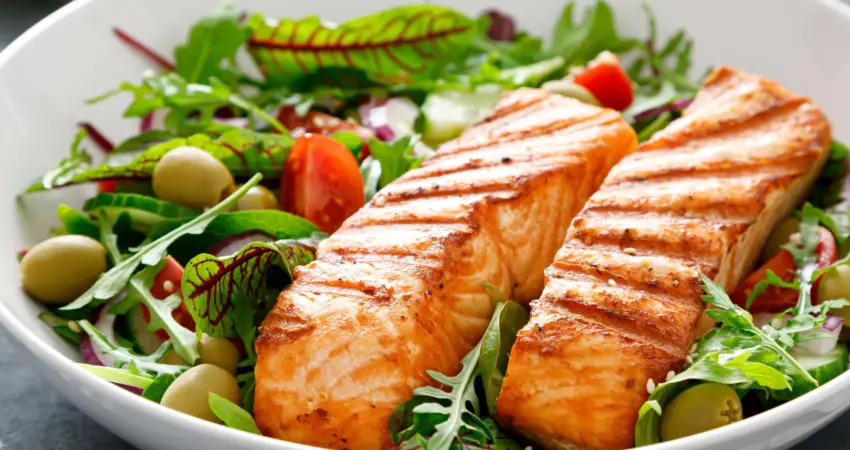
The Mediterranean diet, characterized by its emphasis on olive oil, fish, beans, lentils, fruits, and vegetables, is a rich source of antioxidants, healthy fats, and fiber. These components are known to combat oxidative stress, a damaging cellular process linked to aging and chronic diseases. The USC study’s findings indicate that the diet’s benefits may extend beyond general antioxidant effects, tapping into specific mitochondrial pathways regulated by humanin and SHMOOSE.
A Deeper Dive into the Diet’s Components and Their Impact
Further analysis within the study revealed specific dietary associations with each microprotein. Higher consumption of olive oil, fish, and legumes was linked to increased levels of humanin. These foods are rich in monounsaturated fats, omega-3 fatty acids, and plant-based proteins, all known for their anti-inflammatory and cardiovascular benefits.
Simultaneously, olive oil consumption and a reduced intake of refined carbohydrates were associated with higher levels of SHMOOSE. Refined carbohydrates, such as white bread and sugary snacks, are often stripped of their natural fiber and nutrients during processing, leading to rapid blood sugar spikes and increased inflammation. The inverse relationship observed with SHMOOSE suggests that avoiding these processed foods is equally, if not more, important than simply adding certain "healthy" foods.
"These findings suggest that specific components of the Mediterranean diet may directly influence mitochondrial biology," stated Dr. Pinchas Cohen, Dean of the USC Leonard Davis School of Gerontology and the study’s senior author. Dr. Cohen has been a pioneer in the study of mitochondrial microproteins for over two decades. He added, "Humanin and SHMOOSE could serve as biomarkers for adherence to the Mediterranean diet and have clinical significance." This potential as biomarkers is significant, as it could allow for more objective assessments of dietary adherence and its impact on cellular health, paving the way for personalized nutrition strategies.
The Remarkable Role of Mitochondrial Microproteins
Mitochondria, often referred to as the "powerhouses of the cell," are primarily known for their role in generating adenosine triphosphate (ATP), the cell’s main energy currency. However, their functions are far more complex, encompassing metabolism regulation, cellular stress responses, and a significant influence on the aging process.
Unlike the vast majority of proteins synthesized using genetic blueprints within the cell’s nucleus, mitochondrial microproteins like humanin and SHMOOSE are encoded by genetic instructions found within the mitochondria themselves. These instructions reside in small, circular DNA segments called open reading frames (ORFs). For a long time, some of these ORFs were considered "junk DNA" due to their small size and the perceived lack of functional proteins. However, ongoing research, spearheaded by Dr. Cohen’s team, has revealed that these regions encode potent bioactive molecules with profound physiological effects.
Humanin, first identified by Dr. Cohen and his colleagues in 2003, has been the subject of extensive research. Studies have linked it to improved insulin sensitivity, enhanced cardiovascular health, increased longevity, and robust protection of cognitive function. Healthy insulin sensitivity is crucial for metabolic health, playing a vital role in regulating blood sugar levels and preventing type 2 diabetes.
SHMOOSE (Small Human Mitochondrial ORF Over SErine tRNA), identified more recently by Dr. Cohen’s research group, has garnered particular attention for its neuroprotective potential. A specific genetic variant of SHMOOSE has been associated with an increased risk of Alzheimer’s disease, while the normal, functional version appears to shield neurons from damage caused by amyloid-beta protein accumulation, a hallmark of Alzheimer’s pathology.
"These peptides are emerging as key regulators of aging biology," Dr. Cohen emphasized. "They connect mitochondrial function to diseases like Alzheimer’s and heart disease and now, potentially, to nutrition." This perspective highlights a paradigm shift in understanding cellular aging, moving beyond the nucleus to recognize the critical role of mitochondrial genetics and the peptides they produce.
A Novel Cardioprotective Mechanism Revealed
The study also uncovered a potentially significant interaction between humanin and Nox2, an enzyme involved in the production of reactive oxygen species (ROS). While ROS play essential roles in cell signaling and immune responses, an overproduction can lead to oxidative stress, damaging cellular components and contributing to cardiovascular disease.
The researchers observed that individuals with higher humanin levels tended to exhibit lower Nox2 activity. This correlation suggests that humanin may actively mitigate damaging oxidative processes, offering an additional layer of protection for the cardiovascular system. This finding proposes a dual mechanism by which the Mediterranean diet supports heart health: it not only directly reduces oxidative stress through its rich antioxidant content but also indirectly bolsters cellular defense by promoting the production of protective mitochondrial microproteins.
However, the researchers are careful to note that these observed associations do not definitively prove that the diet directly increases these proteins or that the proteins themselves are solely responsible for preventing cardiovascular disease. Further causal research is required to establish these direct links. "This could represent a new cardioprotective mechanism of the Mediterranean diet," Dr. Vicinanza noted, underscoring the novelty of this proposed pathway.
Promoting the Mediterranean Diet Globally
Beyond the laboratory, Dr. Vicinanza is a passionate advocate for the Mediterranean diet, working to promote its adoption worldwide. His efforts extend to championing its benefits for human health, cultural heritage, and environmental sustainability. This commitment led him to collaborate with the Municipality of Pollica in Italy, an area recognized as a UNESCO Mediterranean Diet emblematic community. This partnership played a role in supporting the establishment of the International Day of the Mediterranean Diet, celebrated annually on November 16th, a UN-recognized observance dedicated to raising awareness of the diet’s health, cultural, and environmental significance.
For Dr. Vicinanza, these new scientific findings provide a powerful, modern validation of ancient dietary practices. "We’re connecting centuries-old dietary traditions with cutting-edge molecular biology," he stated. "It supports the idea that healthy eating patterns with little to no ultra-processed foods reflect how humans have eaten over long periods and may create conditions to which mitochondria — ancient cellular organelles — are likely adapted." This perspective emphasizes the evolutionary wisdom embedded in traditional diets.
The Future of Nutrition and Healthy Aging
While the USC study’s findings are highly promising, the researchers are keen to emphasize its observational nature and relatively small sample size. Observational studies can identify correlations but cannot definitively establish cause-and-effect relationships. Future research is crucial to confirm that adopting a Mediterranean-style diet directly leads to increased levels of humanin and SHMOOSE and, critically, whether these changes translate into tangible improvements in cardiovascular health, brain function, and reduced disease risk.
The implications of this research are far-reaching, particularly for the burgeoning field of precision nutrition. This area of study aims to tailor dietary recommendations to an individual’s unique biological makeup and health needs. If future studies confirm that dietary interventions can reliably modulate humanin, SHMOOSE, and related microproteins, these molecules could become invaluable tools for evaluating the efficacy of nutritional strategies and developing personalized approaches to healthy aging.
The ultimate goal, as articulated by Dr. Vicinanza, is to move "from observing associations to understanding causality." By harnessing the intricate pathways involving mitochondrial microproteins and their connection to nutrition, scientists hope to design dietary interventions that promote healthy aging at the molecular level, potentially unlocking a new era of proactive health management.
The research was supported by funding from the USC Daryl and Irwin Simon Nutrition for Alzheimer’s Disease Prevention Research Fund, the Hanson-Thorell Family Research Award, the National Institutes of Health (grant P30AG094848), and a PRIN 2022 grant. This multidisciplinary support underscores the significance and potential impact of this pioneering work in understanding the intricate link between diet, cellular health, and longevity.

0 Comments