
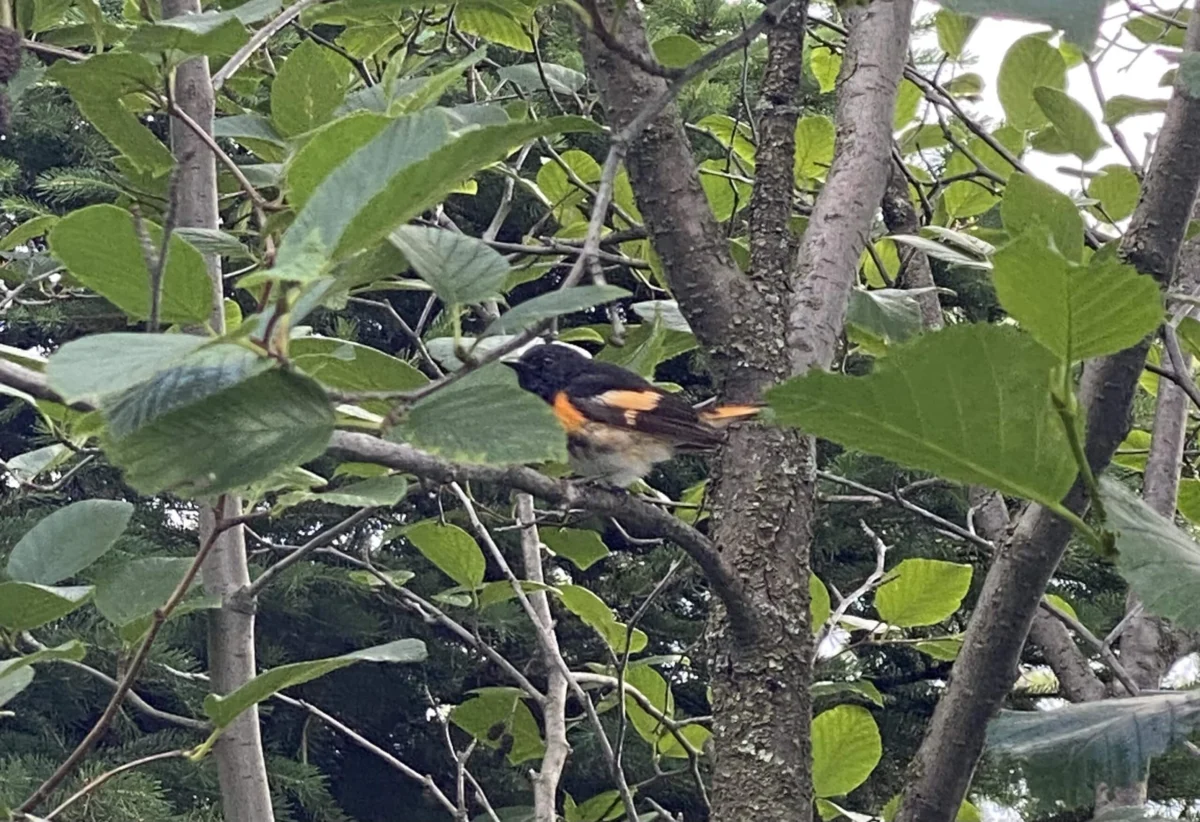
The landscape of American leisure has undergone a significant transformation over the last decade, marked by the unexpected rise of birding—the observation and identification of birds in their natural habitats. Once stereotyped as a niche pastime for the elderly or the academic, birdwatching has transitioned into a mainstream cultural phenomenon. This shift is fueled by a combination of digital accessibility, a renewed public interest in local ecology, and a growing recognition of the hobby’s psychological benefits. Social media trends, including widely shared memes regarding the "inevitable" transition of middle-aged adults into bird enthusiasts, underscore a broader sociological movement toward nature-based mindfulness. As more individuals seek ways to disconnect from digital stressors while remaining engaged with the world around them, birding has emerged as a premier low-barrier activity that bridges the gap between casual recreation and rigorous citizen science.
The Statistical Rise of Birding in the 21st Century
The growth of birding is not merely anecdotal; it is supported by robust data from federal agencies and conservation organizations. According to the 2022 National Survey of Fishing, Hunting, and Wildlife-Associated Recreation conducted by the U.S. Fish and Wildlife Service, approximately 96 million Americans aged 16 and older participated in wildlife-watching activities, a figure that represents nearly 38% of the total U.S. population. This marked a significant increase from previous years, with birdwatching cited as the primary driver of this engagement.
The COVID-19 pandemic acted as a major catalyst for this growth. During the periods of restricted travel and social distancing between 2020 and 2022, participation in outdoor activities surged. The Cornell Lab of Ornithology reported record-breaking downloads of its identification apps during this period, as residents began noticing the avian life in their own backyards and local parks. This surge has sustained itself even as traditional travel and entertainment options have returned, suggesting that birding has secured a permanent place in the modern lifestyle.

A Chronology of the Avian Observation Movement
The evolution of birding can be categorized into four distinct eras, each marked by a shift in technology and philosophy.
In the 19th Century and earlier, bird study was primarily the domain of naturalists and hunters. Figures like John James Audubon documented species through "ornithology by the gun," where birds were often shot to be studied and painted in detail.
The early 20th Century marked the birth of modern conservation and the rise of the field guide. The publication of Roger Tory Peterson’s A Field Guide to the Birds in 1934 revolutionized the hobby, providing a systematic way for amateurs to identify birds from a distance using binoculars rather than collecting specimens.
The late 20th Century saw the professionalization and globalization of the hobby. Birding "tours" became a viable industry, and the concept of the "Big Year"—a competition to see as many species as possible in a single calendar year—entered the public consciousness, later popularized by books and films.

The 21st Century represents the era of "Digital Ornithology." The introduction of smartphone applications, high-resolution digital photography, and global databases has democratized the hobby. Today, a novice with a smartphone can contribute to global scientific databases as easily as a PhD researcher, turning a casual walk in the park into a data-gathering mission for conservation.
The Technological Evolution: Merlin and eBird
The most significant driver of the contemporary birding boom is the suite of digital tools developed by the Cornell Lab of Ornithology. The Merlin Bird ID app, which currently boasts over 10 million active users, has lowered the barrier to entry to near zero. The app utilizes artificial intelligence and machine learning to identify birds through three primary methods: a series of descriptive questions, photo identification, and real-time sound identification.
The sound identification feature, in particular, has been described by hobbyists as a "game changer." By using the smartphone’s microphone, the app can isolate and identify multiple birdsong frequencies simultaneously, allowing users to "see" the birds around them through sound. This technology has proven particularly effective for identifying species hidden in dense foliage or for users with visual impairments.
Complementing Merlin is eBird, a global database that functions as a social network and a logging tool for birders. Users submit "checklists" of the birds they see, which are then vetted by regional experts. This data provides scientists with real-time information on bird migrations, population declines, and the impacts of climate change on avian distribution. The synergy between these tools has transformed birding from a solitary pursuit into a collaborative, global scientific effort.
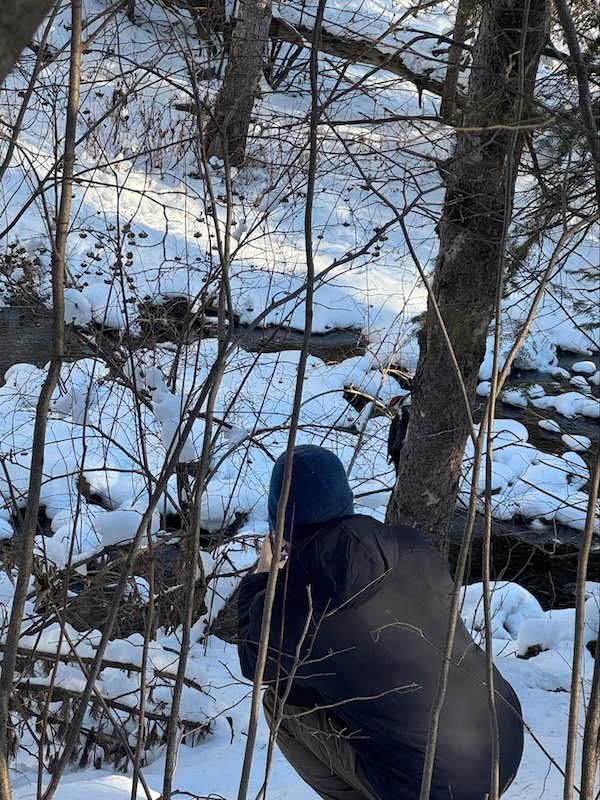
Essential Equipment and the Mechanics of Observation
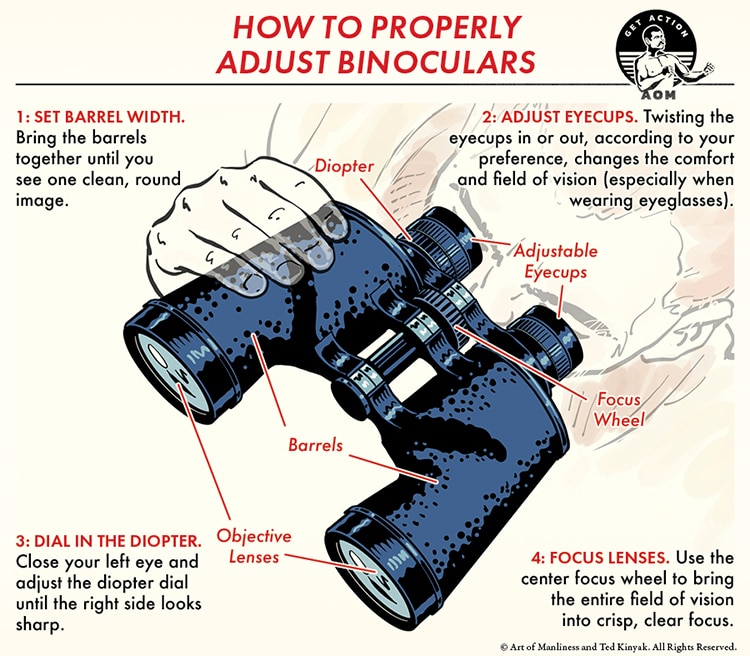
While the digital tools are revolutionary, the physical gear remains a cornerstone of the experience. The primary tool for any birder is a quality pair of binoculars. Experts suggest that while entry-level models are available, investing in mid-range optics is crucial for long-term engagement. Binoculars are typically categorized by their magnification and objective lens diameter (e.g., 8×42). An 8x magnification provides a wide field of view and a stable image, which is essential for tracking moving birds, while a 42mm lens allows for sufficient light entry, particularly during the dawn and dusk hours when birds are most active.
In recent years, brands like Nocs Provisions and Nikon have targeted the "lifestyle birder" by producing optics that are not only high-performing but also rugged and aesthetically modern. Beyond optics, the "kit" of a modern birder often includes a smartphone for IDing, a field journal for those who prefer tactile recording, and appropriate outdoor apparel for varying terrains.
Strategic Locations: Where to Find Birds
One of the most appealing aspects of birding is its ubiquity. Birds are present in nearly every environment on Earth, from urban centers to remote wilderness. However, certain "hotspots" provide higher concentrations of species.
Ecological "edges"—where two different habitats meet, such as a forest meeting a field or a lake meeting a shoreline—are traditionally the most productive areas for birding. Water sources are also critical; even a small fountain in a city park can attract a variety of migratory songbirds.
Seasonality plays a vital role in birding strategy. The "Flyway" system—the major north-south routes used by migratory birds—determines the best times for observation. In North America, the spring migration (March through May) and the fall migration (September through November) offer the highest diversity of species as birds move between their breeding and wintering grounds. During these windows, a single location may host dozens of species that are not present during the rest of the year.
Psychological and Environmental Implications
The rise of birding has significant implications for public health and environmental conservation. A growing body of research suggests that "green exercise"—physical activity in natural environments—can reduce cortisol levels, lower blood pressure, and improve mood. Birding, which requires a combination of patience, stillness, and acute observation, acts as a form of "active meditation." It forces the practitioner to be present in the moment, a state that is increasingly difficult to achieve in an era of constant digital notifications.
From an environmental perspective, the increase in birders has led to an increase in "citizen science." The data provided by millions of casual observers is now a primary resource for conservationists. When a rare bird is spotted in a new location, the information is immediately available to researchers who can then assess if the species’ range is shifting due to environmental factors. This massive influx of data allows for a more nuanced understanding of biodiversity and the health of ecosystems.
The Broader Impact: A New Era of Conservation
As birding continues to grow, it is fostering a new generation of environmental stewards. By learning to identify the species in their own neighborhoods, individuals develop a "sense of place" and a vested interest in the preservation of local habitats. This often translates into support for local land trusts, opposition to habitat destruction, and the creation of bird-friendly spaces in private yards through the use of native plants and bird feeders.
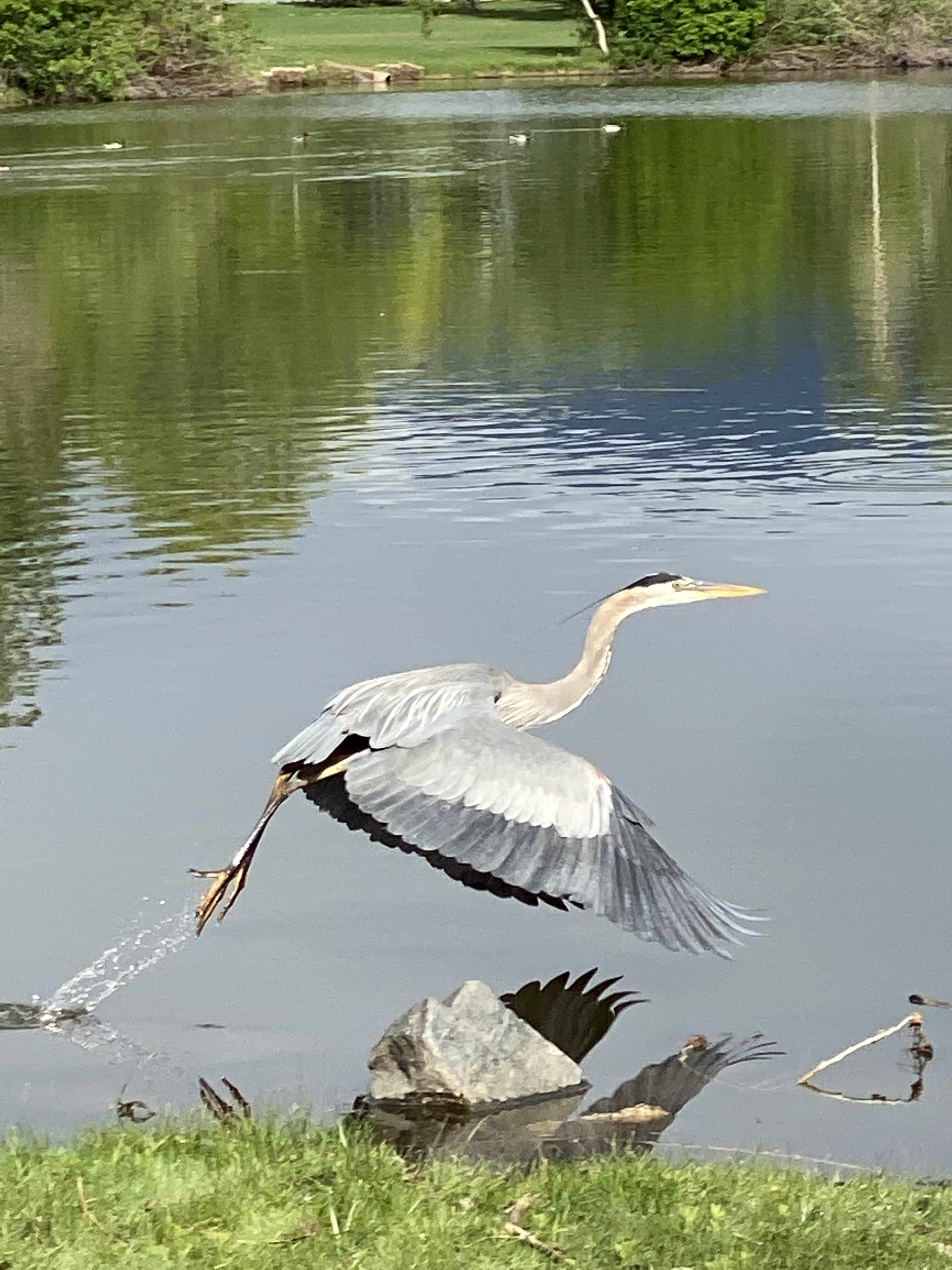
The transformation of birding from a "boring" hobby into a dynamic, tech-enhanced pursuit is a testament to the enduring human desire to connect with the natural world. Whether motivated by the "thrill of the hunt" to add a new species to a "life list," the desire to contribute to scientific research, or the simple need for a quiet morning in the woods, the modern birder represents a significant and growing demographic in the global conservation movement. The trend suggests that as the world becomes more digital, the drive to look up from our screens and into the trees will only continue to strengthen.

0 Comments