
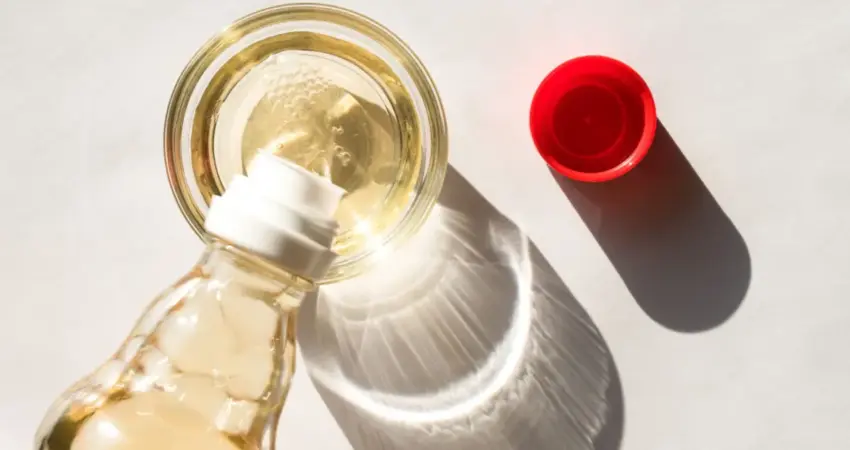
If you’ve savored the intricate flavors of Japanese cuisine, chances are you’ve encountered mirin. This indispensable sweet rice wine, a cornerstone alongside miso, soy sauce, dashi, and rice vinegar, lends a remarkable depth and complexity to a wide array of dishes. From enriching stocks, stews, and marinades to bestowing a signature glossy sheen on glazes like teriyaki, mirin is a versatile ingredient that elevates the culinary experience. While often described simply as sweet with subtle umami notes, culinary experts and chefs highlight a more profound characteristic: koku. This term, favored by Sonoko Sakai, author of "Japanese Home Cooking," encompasses not just flavor but also aroma and a palpable depth that resonates with the palate.
Understanding the Core of Mirin: Hon Mirin vs. Aji-Mirin
The distinction in mirin’s quality hinges significantly on its production method and ingredients, a nuance often lost in readily available supermarket varieties. "Hon mirin," meaning "true mirin," is the artisanal, traditionally brewed product that imparts the coveted koku. Its preparation involves a meticulous process using just three core ingredients: glutinous rice, koji (a mold used in fermentation), and shochu, a Japanese distilled spirit. During this natural fermentation, the koji enzymes work to break down the glutinous rice’s starches into simple sugars, primarily glucose. This intrinsic sweetness is what defines hon mirin, rendering any added sugars unnecessary.
Hiroko Shimbo, a respected authority on Japanese cuisine and author of "The Japanese Kitchen," elaborates on this natural sweetness, describing it as more subtle and "elegant" than the overt sweetness of table sugar. She further notes that glucose, the primary sugar in mirin, possesses a lower glycemic index compared to sucrose, the common table sugar, making it a potentially more nuanced sweetener.

Beyond its sweetness, hon mirin’s alcoholic content plays a crucial role in its culinary application. With an alcohol by volume (ABV) typically around 14%, it is comparable to some sakes and grape-based wines. While not typically consumed as a beverage (with the exception of the spiced New Year’s drink, o-toso), its alcohol content contributes significantly to cooking. Shimbo explains that alcohol’s ability to denature proteins helps to firm ingredients slightly while also acting as a hygroscopic agent, aiding in moisture retention. This results in dishes that are both tender and exceptionally juicy, infused with a rich, umami-sweetness. For those seeking the genuine article, Sakai recommends Fukuraijun hon mirin, while Shimbo favors Mikawa hon mirin from the Sumiya Bunjiro Brewery, underscoring the value of premium, traditionally made products.
The Ubiquitous Alternative: Aji-Mirin and Its Limitations
In contrast to hon mirin, "aji-mirin" (meaning "tastes like mirin") is a more common and budget-friendly alternative found in many Western supermarkets. Its composition typically differs significantly, often utilizing glucose or corn syrup, water, rice, salt, and alcohol. The production process is generally less involved, leading to a less complex flavor profile and a less profound koku. The alcohol content in aji-mirin can vary considerably by brand; for instance, Kikkoman’s aji-mirin contains approximately 8% alcohol.
Both Shimbo and Sakai express a preference for avoiding aji-mirin due to its less nuanced flavor and more pronounced sweetness. Shimbo also points out that the lower alcohol content in aji-mirin can impact its performance in cooking, particularly in applications where alcohol’s tenderizing and moisture-retaining properties are beneficial.
However, J. Kenji López-Alt, author of "The Food Lab," offers a pragmatic perspective. He acknowledges that aji-mirin lacks the complex byproducts of natural fermentation that give hon mirin its superior aroma. Yet, he argues that given mirin’s often small proportion in a dish and its combination with other robust flavors, the difference may not always be discernible to the average palate. While he advocates for naturally brewed mirin when accessible, he also admits to using aji-mirin regularly, asserting that "it’s not a problem. You’ll notice a difference, but even the cheapest stuff is still going to work just fine." This sentiment suggests that while hon mirin represents the pinnacle of flavor, aji-mirin can still serve its functional purpose in many home cooking scenarios.

Distinguishing Mirin: A Comparison with Sake and Rice Vinegar
Understanding mirin’s unique attributes also involves differentiating it from other staple Japanese condiments.
Mirin vs. Sake: A Tale of Sweetness and Purpose
Both mirin and sake are fermented rice beverages integral to Japanese cuisine, yet their sweetness levels and primary uses diverge significantly. The fundamental difference lies in their manufacturing processes. Hon mirin’s production, as detailed earlier, employs glutinous rice and shochu, creating an alcohol-rich environment that facilitates starch-to-sugar conversion. Sake, conversely, utilizes sake rice and relies on yeast to convert sugars into alcohol, resulting in a less sweet, more drinkable beverage. Sake is brewed with the intention of being consumed as a drink, leading to a vast spectrum of flavor profiles and styles, many of which are too nuanced or delicate to be effectively utilized in cooking without potentially being lost or altered.
Mirin vs. Rice Vinegar: A Contrast in Acidity and Sweetness
Despite their shared origin as rice derivatives, mirin and rice vinegar stand in stark contrast. Mirin is characterized by its sweetness, syrupy consistency, and underlying umami, with a notable alcoholic presence. Rice vinegar, on the other hand, is decidedly acidic and tart, possessing minimal natural sweetness. While the shared rice base might tempt some to substitute rice vinegar mixed with sugar for mirin, culinary experts like Shimbo, Sakai, and López-Alt strongly advise against this. They maintain that such a combination would invariably be too acidic, overwhelming the delicate balance that mirin provides. Rice vinegar is best reserved for applications where a distinct tang is desired, rather than attempting to replicate mirin’s rounded sweetness.
The Search for Substitutes: Navigating Mirin Alternatives
For home cooks unable to source hon mirin, or even aji-mirin, finding a suitable substitute becomes a culinary puzzle. The consensus among experts points to a combination of sake and a sweetener as the most effective alternative.

The Sake and Sweetener Combination
This approach leverages the shared flavor characteristics of sake and mirin, offering a closer approximation than many other options. Any readily available sake can be used, though Shimbo suggests keeping a larger bottle of seishu (clear sake) specifically for cooking purposes. It is advisable to avoid "cooking sake" products, which often contain added salt that can disrupt a dish’s overall seasoning.
López-Alt typically recommends a ratio of two parts sake to one part sweetener by volume. He finds that brown rice syrup, favored by Shimbo, provides a sweetness that most closely mimics that of hon mirin. Maple syrup is also cited by both Shimbo and Sakai as a viable alternative sweetener.
When sake is unavailable, dry white wine or dry sherry can be used in conjunction with a sweetener. However, these are not exact replacements. López-Alt notes that dry white wine offers a closer profile than sherry but introduces a distinct flavor that can significantly alter the final dish. Given that many recipes calling for mirin also include sake, a combined replacement strategy might be necessary.
The Challenge of Non-Alcoholic Mirin Substitutes
The quest for an alcohol-free mirin substitute proves more challenging. While some "mirin-style" seasonings contain reduced alcohol content or are explicitly labeled as alcohol-free, their interchangeability in all applications is not guaranteed. It is crucial to scrutinize product labels carefully. Aji-mirin can still contain alcohol, and salted mirin (shio mirin) is not necessarily alcohol-free.

While cooking can reduce the alcohol content in mirin, it does not ensure complete evaporation. For individuals strictly avoiding alcohol, selecting a product specifically labeled "alcohol-free" is the most reliable course of action. Furthermore, consumers should be mindful of added salt in some mirin-style products, as this may necessitate adjustments to other sodium sources in a recipe.
Storage and Culinary Applications of Mirin
The longevity and versatility of mirin are key to its enduring appeal in the kitchen.
Optimal Storage for Mirin
Hon mirin, with its inherent sugar and alcohol content, exhibits remarkable shelf stability. It is best stored tightly sealed in a cool, dark place. Refrigeration is generally not recommended, as it can cause the sugars to crystallize. For aji-mirin and other mirin-style seasonings, storage instructions can vary post-opening, so checking the product label is advised.
Embracing Mirin in Diverse Dishes
Mirin’s culinary applications are extensive and varied. When combined with soy sauce and sake, it forms a silky tare, a foundational seasoning base for dishes like ramen. When reduced to a syrupy consistency, it transforms into a luscious teriyaki sauce, perfect for glazing salmon, steak, and vegetables.

Beyond its role in sauces and glazes, mirin excels in quick-cooking preparations such as stir-fried udon with pork and soboro don. It also finds its place in slow braises, soups, and marinades. Its delicate sweetness harmonizes beautifully with fish and tofu, as seen in brothy steamed bass, and it effectively balances the acidity in dressings, such as a miso-turmeric variant. Mirin can also serve as a more sophisticated alternative to granulated sugar in Western-style recipes, offering a depth of flavor that simple sugar cannot replicate. As Shimbo aptly states, "When you use real mirin, there are many good effects." This underscores the ingredient’s ability to impart not just sweetness but a complex, layered character that enhances the overall gastronomic experience.

0 Comments