
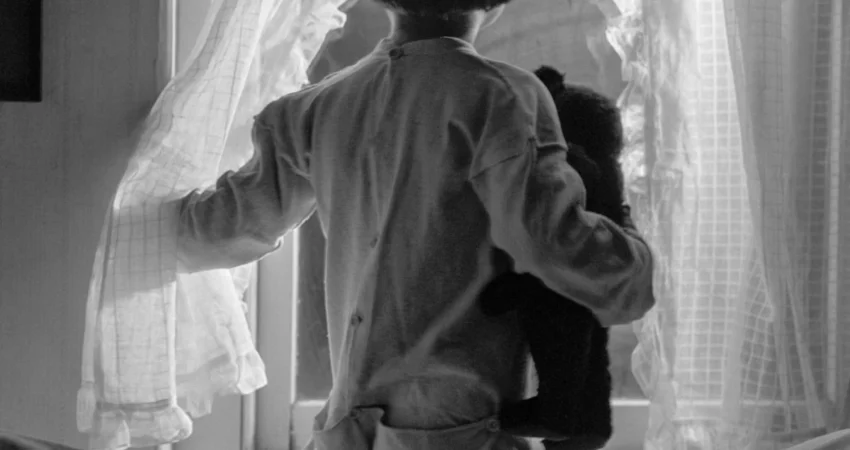
Pediatric Acute-onset Neuropsychiatric Syndrome, commonly referred to as PANS, represents a complex and often devastating clinical diagnosis characterized by the sudden onset of neuropsychiatric symptoms, including obsessive-compulsive disorder (OCD), severe anxiety, and motor or vocal tics. In a documented case involving a family in Canada, the rapid transformation of an eight-year-old child, identified as Rose, provides a stark illustration of the profound impact this condition has on family dynamics, economic stability, and social support networks. Following a routine viral infection, the child experienced a catastrophic neurological decline that stripped her of basic functions—including speech, motor control, and emotional regulation—leading to a year-long journey of intensive caregiving and social isolation for her parents. This case highlights not only the medical challenges associated with PANS but also the sociological phenomenon of "caregiver chasm," where the intensity of a medical crisis creates a significant rift between the affected family and their established social circles.
Clinical Overview and Chronology of Onset
The trajectory of the condition in this specific case began in early 2024, following what appeared to be a benign viral illness. While the family initially maintained a standard routine, the latent effects of the infection triggered an autoimmune response. By late summer, the patient exhibited "seizure-like movements" and a rapid loss of cognitive and physical faculties.
The chronology of the medical crisis is as follows:
- Initial Phase (Pre-Onset): The patient was high-functioning, engaging in age-appropriate activities such as ice skating and school attendance.
- Acute Onset (September 2024): Within a matter of days, the patient lost the ability to use the toilet, speak, walk, or consume food. Symptoms included dilated pupils, a lack of visual focus, and "wild" ocular movements.
- Emergency Intervention: The family sought emergency medical care three times within a single week as the patient experienced agonizing neurological symptoms, including prolonged periods of vocalizing distress (wailing) and total sleep deprivation.
- Diagnosis: Clinical evaluation eventually identified inflammation in the basal ganglia, a region of the brain responsible for motor control, impulse regulation, and emotional processing. The patient was diagnosed with PANS, a condition where the immune system mistakenly attacks healthy brain tissue following an infection.
- Recovery Phase (Ongoing): As of late 2025, the patient remains out of school and has not interacted with peers for over a year. Recovery is noted as a slow process of re-learning basic skills, such as dressing and reading.
The Biological Mechanism of PANS and PANDAS
PANS and its subset, PANDAS (Pediatric Autoimmune Neuropsychiatric Disorders Associated with Streptococcal Infections), are classified as autoimmune-mediated encephalitides. The basal ganglia, the primary site of inflammation in these cases, serves as a crucial hub for the brain’s "loop" circuits that manage movement and behavior. When this area is compromised by inflammation, the brain’s ability to filter impulses is severely diminished.
According to medical research provided by advocacy organizations such as ASPIRE (The Alliance to Solve PANS and Immune-Related Encephalopathy), the symptoms are often misdiagnosed as purely psychiatric disorders. However, the "acute onset" is a hallmark of the condition, distinguishing it from the gradual development of typical childhood OCD or anxiety. The severity of the symptoms can be life-threatening; studies have indicated a heightened risk of pediatric suicide and self-harm among patients due to the intense neurological distress and loss of impulse control.
Impact on Social Capital and Support Networks
The secondary crisis identified in this case is the erosion of social capital. The primary caregiver, who described herself as a historically "social person" with deep-rooted friendships, reported a significant shift in her interpersonal relationships. This phenomenon can be categorized into three distinct social responses:
1. The Crisis Response (Immediate Support)
Close friends and family members provided immediate, high-level logistical support. This included cross-continental travel to assist with childcare for the patient’s younger sibling, financial assistance for meals, and consistent digital check-ins. This "emergency tier" of friendship is critical for the survival of the family unit during the acute phase of the illness.
2. The Social Chasm (Gradual Alienation)
Over time, a "chasm" developed between the family and their broader social circle. The intensity of the medical crisis made it difficult for the caregiver to engage in the "reciprocity of friendship." As the caregiver’s cognitive load became entirely consumed by medical coordination and the safety of her children, she reported an inability to remember birthdays, career developments, or the personal struggles of her peers. This led to a sense of isolation, as the "darkness" of the family’s situation made the routine trials of others seem distant or incompatible.
3. Withdrawal and Avoidance
A portion of the social network opted to pull back. Reasons for this withdrawal often include the "stigma of psychiatric symptoms" or a psychological phenomenon where observers distance themselves from "bad luck" to maintain a sense of their own security. The "contagion of crisis" theory suggests that people may avoid those in prolonged trauma to avoid the emotional weight or the reminder of human vulnerability.
Economic and Systemic Challenges
The financial and systemic burden of PANS is substantial. In this case, the father was forced to take a government-funded leave specifically designated for the care of critically ill children. Such programs are essential but often provide only a fraction of previous income, leading to long-term economic strain.
Furthermore, the "tangle of injustice" described by advocates refers to the systemic barriers to care:
- Diagnostic Lag: Many families wait years for an accurate diagnosis, during which time the child’s condition may become chronic.
- Insurance Denials: Effective treatments, such as Intravenous Immunoglobulin (IVIG) or plasmapheresis, are frequently denied by insurance providers who categorize them as "experimental" despite clinical evidence of efficacy in autoimmune cases.
- Specialist Scarcity: There is a critical shortage of doctors trained to treat PANS, forcing families to travel long distances or pay out-of-pocket for private consultations.
Data and Statistical Context
While exact prevalence rates for PANS are still being established due to frequent misdiagnosis, some advocacy groups estimate that the condition could affect as many as 1 in 200 children to varying degrees of severity.
A survey of caregivers of children with PANS/PANDAS revealed the following:
- Caregiver Burden: Over 90% of primary caregivers reported significant disruptions to their professional lives.
- Social Isolation: Approximately 75% of families reported feeling "socially isolated" or "misunderstood" by their community and extended family.
- Educational Impact: A majority of affected children require specialized educational plans (IEPs) or, as in the case of Rose, are forced to withdraw from the school system entirely for extended periods.
Broader Implications and Advocacy
The lag between medical research and clinical application remains a primary grievance for families. Advocates argue that the medical community must adopt a more multidisciplinary approach, bridging the gap between immunology, neurology, and psychiatry. The case of Rose illustrates that PANS is not merely a medical diagnosis but a systemic crisis that necessitates a total restructuring of the family’s life.
The formation of "new, intense relationships" within the PANS community suggests a shift from traditional social circles to specialized support networks. These "trauma-informed" friendships are built on shared experience and advocacy rather than historical proximity. For the caregivers, involvement in advocacy—such as writing, podcasting, and speaking for organizations—serves as a coping mechanism and a way to channel the "rigidity" and "zeal" born from the crisis.
Conclusion
The experience of the Canadian family highlights the dual nature of PANS: a biological assault on a child’s brain and a sociological assault on the family’s community standing. The recovery of the patient is intrinsically linked to the recovery of the family’s social and emotional health. Until the medical and insurance systems provide more streamlined pathways for diagnosis and treatment, families will continue to rely on the "loyal devotion" of a select few while navigating the profound isolation caused by a misunderstood and devastating illness. The ultimate goal for these families remains a return to "normalcy"—a state where the child is healthy enough to allow the parents to once again participate in the simple, reciprocal joys of friendship and community life.

0 Comments