
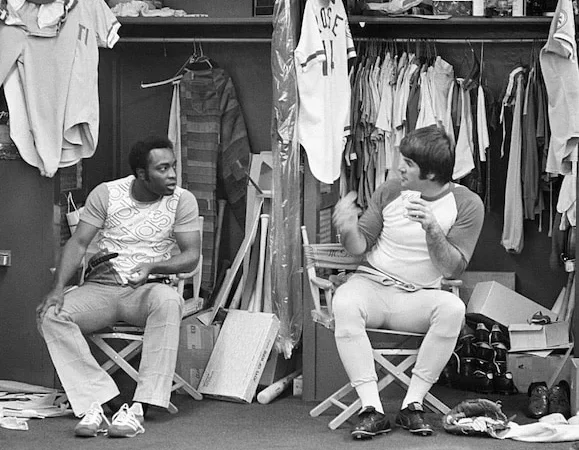
The raglan tee, colloquially known as the baseball shirt, remains one of the most enduring silhouettes in the history of menswear. Defined by sleeves that extend in one continuous piece from the underarm to the collar, creating a diagonal seam across the chest and back, the garment represents a unique intersection of military utility, athletic performance, and subcultural expression. While many modern consumers associate the style with Little League uniforms or vintage rock-and-roll merchandise, its origins are rooted in the exigencies of 19th-century warfare and the evolution of bespoke tailoring. Today, the raglan sleeve is prized not only for its historical pedigree but also for its functional superiority in providing a greater range of motion and its aesthetic ability to accentuate the masculine physique.
The Genesis of the Raglan: A Military Solution
The history of the raglan sleeve begins not on a sports field, but on the battlefields of the Napoleonic Wars. In 1815, during the Battle of Waterloo, FitzRoy Somerset, a 26-year-old British officer serving as military secretary to the Duke of Wellington, was struck in the right arm by a French musket ball. The severity of the wound necessitated an immediate amputation. Demonstrating the stoicism often associated with the era’s officer class, Somerset reportedly called back the surgeon to retrieve the severed limb so he could recover a ring given to him by his wife.
Somerset, who would later be elevated to the peerage as the 1st Baron Raglan, refused to let his disability end his military career. He learned to write and command with his left hand, eventually rising to the rank of Field Marshal. However, the rigid, highly tailored military uniforms of the mid-19th century presented a significant obstacle. Standard "set-in" sleeves, which feature a vertical seam at the shoulder, were restrictive and difficult for a one-armed man to don without assistance.
As Lord Raglan prepared to lead British forces during the Crimean War in the 1850s, he sought a solution from John Emary, the founder of the London-based tailoring firm Aquascutum. Emary’s innovation was to eliminate the traditional shoulder seam entirely. By extending the sleeve fabric all the way to the neckline, he created a garment that was easier to put on and offered significantly more room in the upper torso. This "raglan" cut allowed the Lord to maneuver more freely and provided better protection against the elements, as the lack of a top shoulder seam reduced the number of points where water could seep through a coat during the harsh Crimean winters.
From Battlefield to Ballpark: The Athletic Evolution
Following the Crimean War, the raglan overcoat gained popularity among the British aristocracy, even receiving the endorsement of King Edward VII. However, the transition from heavy outerwear to the lightweight knit jersey known today occurred as the design was adopted by the world of organized sports, most notably American baseball.
The late 19th and early 20th centuries saw a shift in athletic apparel toward garments that prioritized movement. For baseball players—particularly pitchers and outfielders—the traditional set-in sleeve was often too restrictive for the high-velocity overhead motions required by the game. The raglan construction offered a "zero-interference" fit, allowing for a full range of shoulder rotation without the fabric bunching or the seams pulling.
By the mid-20th century, the raglan-sleeved undershirt had become a standard component of the baseball uniform. To distinguish teams and add visual interest, manufacturers began producing these shirts with sleeves in a contrasting color to the white or gray heather body. This "color-blocked" aesthetic became the definitive look of the baseball tee. The adoption of three-quarter-length sleeves served a practical purpose as well: they provided warmth to the arms during early spring games while remaining short enough to avoid interfering with a player’s grip or getting caught in the dirt during a slide.
Cultural Proliferation and the Rise of "Merch"
The raglan tee’s journey from the dugout to the mainstream was accelerated by the cultural shifts of the 1970s. As rock-and-roll transitioned into the era of stadium tours, the demand for affordable, identifiable fan merchandise skyrocketed. The raglan tee became the canvas of choice for legendary bands such as Led Zeppelin, the Rolling Stones, and AC/DC.
The preference for the raglan in the music industry was both aesthetic and economic. The contrasting sleeves provided a framed "frame" for album art or tour dates printed on the chest, making the graphics pop more than they would on a standard monochromatic T-shirt. Furthermore, the shirts were relatively inexpensive to produce in bulk and possessed an "off-duty athlete" vibe that resonated with the rebellious yet casual spirit of the era’s youth culture.

Simultaneously, the raglan gained cinematic immortality through its association with American Americana. In the 1993 film The Sandlot, the character Benny "The Jet" Rodriguez wears a classic navy-and-white raglan, cementing the shirt’s status as a symbol of nostalgic, effortless cool. This association with "male prestige" and athletic competence has persisted, keeping the raglan relevant even as other fashion trends have faded.
The Science of Style: Why the Raglan Flatters the Build
Beyond its historical and cultural associations, the raglan tee is a staple of menswear because of the specific way it interacts with human anatomy. Fashion designers and evolutionary psychologists alike have noted that certain garment constructions can significantly alter the perceived proportions of the wearer.
- The V-Taper Illusion: The diagonal seams of a raglan shirt create a visual "V" shape that starts at the neck and widens toward the shoulders. This draws the observer’s eye upward and outward, making the shoulders appear broader. Simultaneously, the lack of a horizontal seam on the shoulder prevents a "break" in the silhouette, allowing the fabric to drape smoothly over the deltoid muscles.
- Shoulder-to-Waist Ratio: Research in evolutionary psychology, including studies by Dr. Barnaby Dixson, suggests that a high shoulder-to-waist ratio is a primary marker of physical attractiveness in men. By emphasizing the width of the upper torso and using contrasting colors to draw attention away from the midsection, the raglan tee maximizes this ratio.
- The "Man Antler" Effect: Because the raglan sleeve is often fitted more closely to the arm than a standard T-shirt sleeve, it highlights the definition of the biceps and triceps. For men who engage in regular strength training, the raglan serves as a subtle showcase for muscular development without the overtness of a tank top.
Technical Specifications and Consumer Guidance
For the modern man looking to integrate the raglan tee into his wardrobe, several technical factors should be considered to ensure the garment performs its intended stylistic function.
Fabric Weight and Composition
A raglan tee should ideally be constructed from a medium-weight cotton or a high-quality cotton-poly blend. Very thin fabrics tend to cling to the torso in an unflattering manner, while overly thick fabrics can become bulky and lose the "drape" that makes the raglan unique. A weight of approximately 150 to 180 grams per square meter (GSM) provides the necessary structure to define the shoulders while remaining breathable.
The Nuance of Fit
The primary pitfall of the raglan tee is sizing up too far. Because the shoulder is "unstructured," a shirt that is too large will result in the armholes drooping toward the ribcage, creating a saggy, unathletic silhouette. The ideal fit should be snug through the chest and arms but allow for a slight "float" over the stomach. The hem should typically land just below the beltline to maintain a balanced proportion between the upper and lower body.
Color Theory and Contrast
The classic colorway—a white or heather gray body with navy, red, or black sleeves—remains the most versatile. Darker sleeves provide the strongest "framing" effect for the torso. However, men with a larger midsection may find that a "reverse" raglan (dark body with lighter sleeves) helps to minimize the appearance of the waist while still providing the mobility benefits of the cut.
Market Impact and Future Outlook
The global T-shirt market, valued at over $40 billion annually, continues to see a steady demand for raglan silhouettes. In recent years, the rise of "athleisure" has brought a renewed focus on functional construction. Performance brands have adapted the raglan seam for moisture-wicking gym wear, acknowledging that the 200-year-old military design remains the gold standard for upper-body mobility.
Furthermore, the raglan’s longevity is bolstered by the trend toward "vintage-inspired" fashion. As consumers move away from fast fashion in favor of "heritage" pieces with a story, the raglan tee—with its links to Lord Raglan, the Crimean War, and the golden age of baseball—stands as a prime example of a garment that is "trend-proof."
In conclusion, the raglan tee is far more than a simple piece of athletic wear. It is a masterclass in functional design that has successfully navigated the transition from the surgical theater of the 19th century to the center stage of modern pop culture. Its ability to combine comfort, history, and physical enhancement ensures that it will remain a foundational element of the masculine wardrobe for the foreseeable future. Whether worn as a base layer in the autumn or as a standalone piece in the spring, the raglan continues to prove that true style is often born from necessity.

0 Comments