
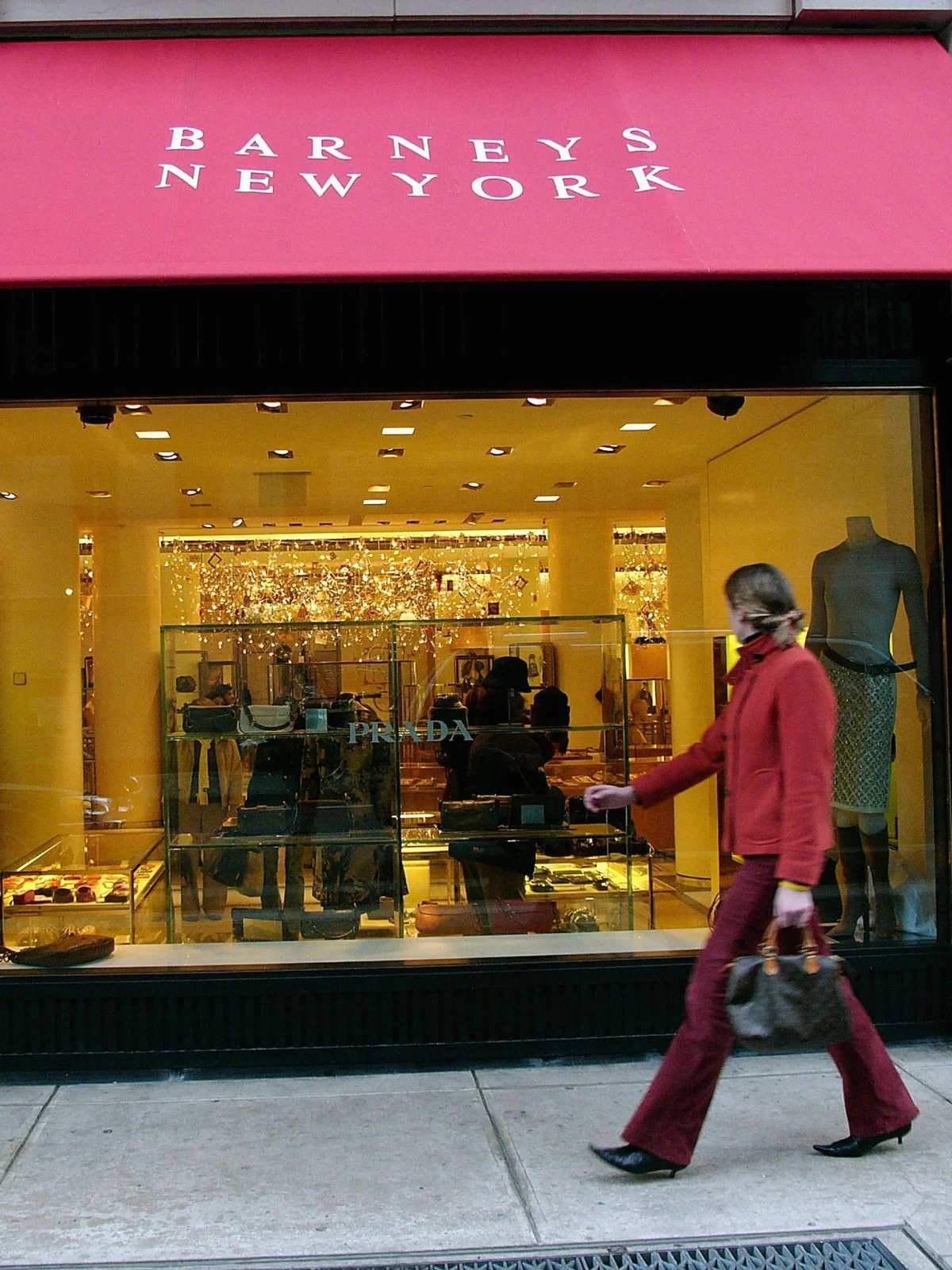
The Resurrection of Madison Avenue Authentic Brands Group and the Strategic Gamble to Revive Barneys New York represents a potential turning point for the American luxury retail sector as Authentic Brands Group (ABG) reportedly prepares to breathe new life into the iconic fashion institution. According to industry sources, ABG, which acquired the intellectual property of Barneys New York for approximately $271 million in 2019, is actively planning to revive the brand’s legendary flagship location on Madison Avenue. This move, which marks a significant reversal from previous corporate strategy, also includes the consideration of smaller Barneys concept stores across various regions of the United States. While ABG has yet to issue an official statement regarding these reports, the news has ignited a complex debate among fashion historians, retail analysts, and former executives regarding whether the "magic" of Barneys can truly be replicated in the modern economic climate.
The Evolution of a Fashion Landmark: A Chronology of Barneys New York
To understand the weight of a potential revival, one must examine the century-long trajectory of the brand. Founded in 1923 by Barney Pressman, the company began as a discount men’s suit store on Seventh Avenue and 17th Street, famously funded by the pawning of his wife’s engagement ring for $500. Under the subsequent leadership of Barney’s son, Fred Pressman, the store transitioned from a discount house into a high-fashion destination.
By the 1970s and 80s, Barneys had become the premier gateway for international designers entering the American market. It was the first to introduce Giorgio Armani to the United States and played a pivotal role in the careers of Hubert de Givenchy and Pierre Cardin. The move to Madison Avenue in 1993 solidified its status as the epicenter of New York luxury. However, the late 2010s brought significant financial headwinds, including rising Manhattan rents and the shift toward e-commerce.
In 2019, Barneys New York filed for Chapter 11 bankruptcy protection. In early 2020, the brand shuttered its physical doors, and its intellectual property was sold to Authentic Brands Group. Since then, the Barneys name has appeared in various licensing deals, including a partnership with Laox Holdings in Japan and a licensed shop-in-shop arrangement with Saks Fifth Avenue. However, that specific partnership recently dissolved following the bankruptcy filing of Saks Global, creating the current opening for a standalone revival.
The "Private Club" Atmosphere: Defining the Barneys Identity
For those who experienced the store during its peak in the 1990s, Barneys was less of a retail outlet and more of a cultural social hub. Plum Sykes, a former fashion writer at Vogue, recalls the store as a mandatory Saturday destination. The experience was anchored by Freds, the in-store restaurant where the fashion elite gathered over chopped Cobb salads. Sykes notes that the store functioned like a private club, where the curation of brands like Yohji Yamamoto, Dries Van Noten, and Helmut Lang offered a sense of discovery that was unavailable elsewhere.
.jpg)
Gene Pressman, former co-CEO and grandson of the founder, emphasizes that the brand was built on "dreams." In his memoir, They All Came to Barneys, he describes the environment as one defined by a unique sense of humor and a fierce commitment to aesthetic risk. This social element—the "place to be seen"—is what luxury consultant Robert Burke identifies as the "enormous void" left in the retail landscape after the 2020 closure.
Strategic Challenges and the "Authentic" Business Model
The reported revival comes at a time when Authentic Brands Group is expanding its portfolio, which currently includes Vince, Juicy Couture, and Hervé Léger. ABG is primarily known for its expertise in brand licensing—a model where they own the IP but others operate the stores or manufacture the goods. A direct revival of a Madison Avenue flagship would represent a departure from this "asset-light" approach, requiring significant capital expenditure.
Industry experts suggest that for a Barneys revival to be successful in 2026, it must avoid the pitfalls of "brand dilution." Malcolm Carfrae, founder of Carfrae Consulting, notes that while 90s nostalgia is currently at its peak, the brand cannot simply be a copy of its former self. It must be relevant to a modern consumer who is increasingly fatigued by algorithmic recommendations and seeking authentic human curation.
Financial Realities and Investment Requirements
Gene Pressman remains vocal about the necessity of deep financial commitment. He asserts that "there’s no cutting corners" if the goal is to recapture the original essence of the store. According to Pressman, the success of a 2026 iteration depends on three primary factors:
- Capital Infusion: The Madison Avenue real estate market remains one of the most expensive in the world. Operating a flagship requires not just rent, but a massive investment in interior design and atmosphere to compete with the sleek, modern boutiques of competitors.
- Merchant-Led Leadership: Pressman argues that the store must be run by a "merchant"—someone with a "fashion-crazed" eye—rather than an accountant or a traditional wholesale executive.
- Inventory Strategy: A common criticism of modern department stores is the homogeneity of their offerings. Sykes and other experts point out that a new Barneys must move beyond the "standard racks" of major conglomerates like LVMH and Kering. It must return to its roots of finding and supporting young, unknown talent, despite the thinner margins and higher risks associated with emerging designers.
Market Analysis: The Competitive Landscape of 2026
The retail environment that a revived Barneys would enter is vastly different from the one it left. Competitors such as Bergdorf Goodman, Nordstrom, and Bloomingdale’s have aggressively moved into the space of "emerging designer" curation. Furthermore, independent boutiques and digital platforms like SSENSE have captured much of the "insider" audience that once belonged to Barneys.
Robert Burke expresses skepticism regarding the immediate return to Madison Avenue. He suggests that the brand might be better served by opening in stages, starting with smaller, highly curated concept stores to establish its voice before attempting to fill the massive footprint of a flagship. The consensus among consultants is that the "Barneys-esque" store of the future must prioritize the entertainment business as much as the apparel business.

The Role of Experience and "The Clubhouse" Effect
A recurring theme among those advocating for the return is the need for "experiential shopping"—a term Barneys embodied long before it became a marketing buzzword. The restaurant Freds served as the social glue of the Madison Avenue location. Recent reports of interest in new liquor license filings for the Freds space suggest that ABG recognizes the importance of the food and beverage component in driving foot traffic and dwell time.
Gene Pressman notes that modern retail has become "dour" and lacks the sense of humor that Barneys famously possessed. He argues that the store’s philosophy should be to show customers what they want before they even know they want it, countering the current trend of AI-driven personalization which often merely reflects past behavior rather than inspiring future tastes.
Broader Implications for the Luxury Industry
If Authentic Brands Group successfully relaunches Barneys, it could serve as a blueprint for the "resurrection" of other heritage brands in the ABG portfolio. However, the stakes are high. A failed revival that "cheapens" the brand through lower-quality merchandise or a lack of curation could permanently damage the IP’s value.
The luxury industry is currently watching to see if a corporation built on licensing can transition into a steward of a high-touch, family-style retail legacy. Julie Gilhart, who served as Barneys’ fashion director for 18 years, emphasizes that the original "secret sauce" was a love for talent and people. "The business followed that," she notes, suggesting that if ABG prioritizes the spreadsheet over the soul of the store, the revival may struggle to find its footing.
Conclusion: A Delicate Balance of Past and Future
The potential return of Barneys New York to Madison Avenue is more than a retail story; it is a test of whether cultural cachet can be successfully re-engineered. While the nostalgia for the brand is undeniable, the logistical and financial hurdles are significant. The successful 2026 iteration of Barneys would require a rare alignment of massive capital, visionary merchandising, and a willingness to take risks on unproven designers—all while maintaining the "club-like" social atmosphere that once made it the most important store in the world. As the fashion industry awaits an official confirmation from Authentic Brands Group, the focus remains on whether the new Barneys will be a true successor to the throne or merely a name on a door.

0 Comments