
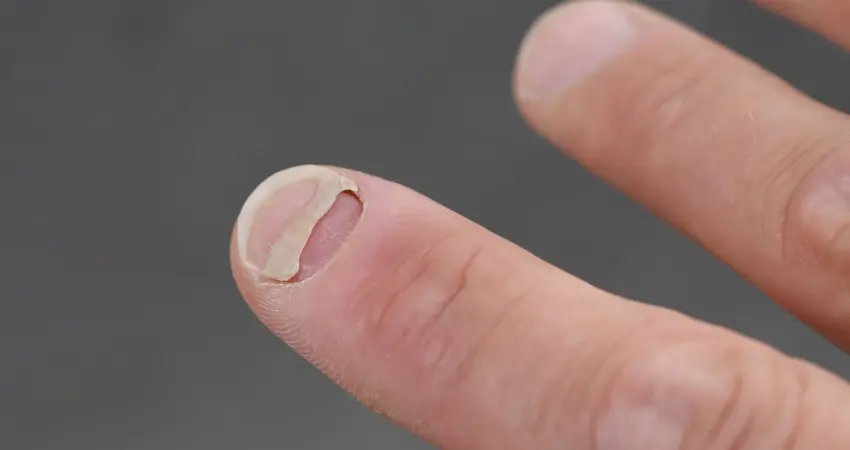
Popular GLP-1 medications, widely prescribed for type 2 diabetes and weight management, are now under scrutiny for an unexpected side effect: a significant increase in nail detachment and other nail disorders. A recent multinational study, presented at the prestigious European Academy of Dermatology and Venereology (EADV) Congress 2026, has illuminated a strong association between the use of these drugs, including Ozempic, Wegovy, Mounjaro, Zepbound, Victoza, and Trulicity, and adverse nail conditions. The research suggests that individuals taking these medications are more than four times as likely to report nail detachment, a distressing condition where the nail separates from the underlying skin.
Unveiling the Nail Disorder Association
The groundbreaking study, the first controlled investigation into the relationship between GLP-1 receptor agonists and nail health, involved a comprehensive analysis of 575 individuals using these medications and a control group of 1,329 individuals with type 2 diabetes and/or obesity who had never used the drugs. Participants were recruited from diverse geographical locations, including France, the United States, Brazil, and Mexico, lending a global perspective to the findings.
The data revealed a stark contrast in nail health outcomes. Among GLP-1 users, a substantial 39% reported experiencing nail detachment, a figure that dramatically dwarfs the 9% observed in the control group. Beyond detachment, nail discoloration also emerged as a significantly more prevalent issue, affecting 46% of GLP-1 users compared to just 17% of non-users. Cumulatively, two-thirds (66%) of individuals on GLP-1 therapy reported experiencing at least one nail disorder, a notable increase from the 53% observed in the control group.
Examining the Role of Weight Loss
A critical question arising from these findings is whether the observed nail problems are a direct consequence of the GLP-1 medications themselves or an indirect effect of the significant weight loss these drugs facilitate. Rapid weight fluctuations are known to impact nutritional status and physiological processes, which can, in turn, affect hair and nail health. However, the study’s researchers meticulously controlled for this variable.
Even when the analysis was narrowed to participants who had experienced weight loss, those on GLP-1 medications continued to exhibit a significantly higher incidence of nail problems compared to individuals who had lost weight through other means or had not experienced substantial weight loss without medication. This crucial distinction suggests that weight loss alone may not fully explain the observed nail abnormalities.
Dr. Charles Taïeb, a lead author of the study, emphasized the importance of this finding. "Until now, nail changes associated with GLP-1 therapies had essentially been anecdotal," he stated. "Our findings show a clear association, but they also underline an important point: not everything that happens during GLP-1 treatment is necessarily caused by the treatment itself." This statement highlights the complexity of attributing causality and the need for further investigation.
Furthermore, the researchers acknowledged that approximately half of the medication users reported experiencing nail problems prior to commencing GLP-1 treatment. When adjustments were made for pre-existing skin conditions and nutritional deficiencies, some of the observed differences between the groups diminished. Nevertheless, nail detachment and discoloration remained approximately two to three times more common among GLP-1 users even after these statistical adjustments.
Beyond Nails: Hair and Scalp Health Concerns
The investigation did not stop at fingernails. A parallel study, utilizing the same cohort of participants, uncovered a concerning trend of increased hair and scalp issues among individuals taking GLP-1 medications. Half of GLP-1 users reported experiencing unusual hair loss, a significantly higher proportion than the 34% observed in the control group. Similarly, reduced hair volume or density was substantially more common, affecting 42% of users compared to 19% of non-users.
The study further differentiated between general hair shedding and hair loss that specifically began after initiating GLP-1 treatment. This treatment-onset hair loss was reported by 26% of GLP-1 users, more than double the 12% incidence in the non-user group. Scalp redness also emerged as a notable concern, appearing approximately three times more frequently among GLP-1 users.
An intriguing observation from the hair and scalp study was that hair loss rarely occurred in isolation. Most users who reported shedding also experienced concomitant scalp symptoms, including itching, redness, or flaking skin. This cluster of symptoms has led researchers to hypothesize that inflammation might play a significant role in these hair and scalp changes, rather than being solely attributable to the rapid weight reduction often associated with GLP-1 therapy.
Dr. Bruno Halioua, another study author, commented on this aspect, stating, "This suggests that what is happening on the scalp may go beyond the classical shedding seen after rapid weight loss and involve an inflammatory component. Scalp inflammation was the rule rather than the exception, which clinicians do not currently look for and which may be treatable. Taken together, our findings suggest that factors beyond weight loss alone may contribute to the hair, scalp and nail changes observed among GLP-1 users."
Contextualizing the Rise of GLP-1s
The widespread adoption of GLP-1 receptor agonists, a class of drugs that mimic the action of the naturally occurring glucagon-like peptide-1 hormone, has been a transformative development in the management of type 2 diabetes and obesity. These medications, by enhancing insulin secretion, reducing glucagon release, slowing gastric emptying, and promoting satiety, have demonstrated remarkable efficacy in improving glycemic control and facilitating significant weight loss.
The initial development of GLP-1 agonists began in the early 2000s, with the first drug in the class, exenatide (Byetta), receiving FDA approval in 2005. Subsequent years saw the introduction of longer-acting formulations and entirely new molecules, such as liraglutide (Victoza, Saxenda) and semaglutide (Ozempic, Wegovy). The recent approval of tirzepatide (Mounjaro, Zepbound), which targets both GLP-1 and GIP receptors, has further expanded treatment options and demonstrated even greater efficacy in weight loss.
The therapeutic benefits of these drugs are undeniable, with millions of individuals worldwide experiencing improved metabolic health and achieving weight loss goals that were previously difficult to attain. However, as with any potent therapeutic agent, the long-term and broader effects are continually being investigated. Until now, reports of adverse effects beyond gastrointestinal disturbances have largely been anecdotal, making this controlled study a significant step forward in understanding the full spectrum of potential side effects.
Implications for Patients and Clinicians
The findings from the EADV Congress presentations, while highlighting a potential link between GLP-1 medications and nail and hair disorders, are being framed by researchers as a call for awareness rather than alarm. "These changes are frequent, usually benign, and are not a reason to stop an effective treatment on one’s own initiative," Dr. Taïeb advised. He strongly recommended that individuals experiencing symptoms such as hair shedding, an itchy or red scalp, or nail changes should consult their physician before discontinuing therapy.
The implications for clinicians are to be mindful of these potential dermatological and trichological side effects. Routine inquiry about nail and hair health during patient follow-ups for GLP-1 therapy may become increasingly important. Furthermore, the suggestion of an inflammatory component in scalp issues opens avenues for potential therapeutic interventions beyond managing weight.
Limitations and Future Research Directions
It is crucial to acknowledge the limitations of the current studies. Both investigations were cross-sectional, meaning they captured a snapshot of participants’ experiences at a single point in time. This design does not allow for the establishment of a definitive cause-and-effect relationship, nor does it track the progression of symptoms over time. Additionally, the findings were based on self-reported symptoms rather than standardized clinical examinations, which can introduce a degree of subjectivity.
To address these limitations and establish causality, the research team is planning prospective studies. These future investigations will involve following patients from the commencement of GLP-1 treatment, incorporating standardized dermatological, hair, and nail examinations, alongside biological monitoring. The objective is to precisely pinpoint when these changes first manifest, elucidate the underlying mechanisms, and determine whether the symptoms resolve or improve with continued treatment or intervention.
The research received institutional support from DUCRAY Laboratories (Pierre Fabre Group), a company specializing in dermatological and hair care products. This collaboration underscores the growing recognition of the interplay between systemic health and dermatological conditions.
As the use of GLP-1 medications continues to expand, ongoing research into their comprehensive safety profile is paramount. While these drugs offer profound benefits for many, a thorough understanding of all potential side effects, however unexpected, is essential for informed patient care and continued therapeutic innovation. The current findings serve as a valuable reminder that the human body is a complex system, and interventions targeting one aspect can sometimes have unforeseen consequences on others.

0 Comments